

In 2020, a shocking 32 people were hit by vehicles and killed while walking in the Richmond area. The Virginia Department of Motor Vehicles says this is the highest number of pedestrian deaths in the last decade.
The rate of pedestrian deaths has been growing across the country. In the first half of 2020, there was a 20% rise in pedestrian fatalities. Almost 3,000 people were killed by drivers.
Problems with dangerous driving have been on the rise, including speeding and distracted driving. When combined with more people escaping their homes during the COVID-19 pandemic, the chance for accidents skyrocketed.
Changing Dangerous Driving Behaviors
Richmond officials are determined to change the risky driving behavior they have been seeing more of recently. Last year, a study was launched that they hope will help form new policy and traffic ordinances.
New bills have been passed by state lawmakers, too, to bring harsher penalties to drivers who harm or kill pedestrians and to lower the chances of these accidents. These include banning drivers from using devices like cell phones and allowing speed limits to be as low as 15 mph in some areas.
Richmond has also been working on its Vision Zero initiative, focused on protecting pedestrians and bicyclists from vehicle traffic. The plan is being coordinated by Mike Sawyer, a transportation engineer, with the goal of having zero pedestrian injuries and deaths every year.
Vision Zero originated in Sweden in the 1990s and went on to help lower the number of pedestrian deaths across Europe. The Vision Zero Network is now helping a number of U.S. cities protect their pedestrians by bringing great minds together to overcome common road safety challenges.
Making Strides to Protect Pedestrians
Richmond is hard at work trying to keep pedestrians and bicyclists safe. The City Council recently passed a resolution to install speed cameras around school zones. The city has also created new crosswalks, crosswalk signals, and bike lanes in dangerous school areas to protect students.
Across the city, 450 crosswalks have been installed as part of Vision Zero. 20 miles of new bike lanes have also been installed, along with new traffic beacons. Many of the more dangerous intersections will also get new signs warning drivers to stop for pedestrians.
“Other cities with high rates of pedestrian injuries and fatalities are keeping their eyes on Richmond’s approach to road safety, so this has the potential to make a real impact in protecting pedestrians,” says Lauren Carroll of Commonwealth Law Group.
There are many areas, including suburban and rural locations, that are looking to further protect pedestrians and cyclists in their cities and towns.
Overcoming Road Safety Challenges
The city of Richmond realizes that new signs, crosswalks, and bike lanes can only accomplish so much. Finding a way to end dangerous, risky driving behaviors in the city will continue to be a major battle.
The city is finding it challenging to engineer safer streets without causing more hazards and distractions for drivers. The people working behind the scenes at Vision Zero, along with the city of Richmond, know that pedestrian fatalities are not inevitable and can be prevented. As improvements to local infrastructure continue to be made, Richmond will hopefully begin to see a positive impact on pedestrian safety.
In the United States, drunk driving has been an ongoing issue costing billions annually, and more importantly, taking the lives of roughly 10,000 people every year.
Drunk driving laws have made it illegal at a national level to drive with a blood alcohol content (BAC) at or above 0.08 percent. For drivers under the legal age, “zero tolerance” laws have been implemented, which makes driving with any detectable level of alcohol illegal and punishable by law. Many states such as Virginia have taken further steps to discourage drunk driving by creating more intense penalties.
Virginia Drunk Driving Statistics
As reported by the Virginia Department of Motor Vehicles, one in six Virginia motorists may be involved in an alcohol-related car accident throughout their life. The Virginia DMV also reported that 34 percent of all traffic fatalities were related to driving under the influence of alcohol. These statistics reflect 819 total traffic fatalities in 2018, 278 of which died in alcohol-related car incidents.
In 2018, 19,790 people were convicted with a DUI, resulting in stricter penalties to encourage responsible driving. Amongst these penalties were more extended jail times and increased fines. A DUI in Virginia tends to cost around $5,000 and $20,000. Although Virginia has historically strict DUI legislation, there has been a recent bill passed which eliminates mandatory minimum sentencing, causing many residents to be fearful for the future of road safety in Virginia.
Senate Bill 1443
Senate Bill 1443 was proposed in 2020 to eliminate mandatory minimum sentences and modify sentences for felony offenses, including DUI charges. This bill seems to be a part of a much more significant criminal justice reform, but many Virginians believe the legislation is “missing the mark.” This bill is set to eliminate Virginia’s enhanced jail penalties for grievous repeat offenders and “high-risk” impaired drivers, putting them back on the streets with a slap on the wrist and endangering local drivers.
Differing Views
While some Virginians believe the mandatory minimum sentencing is harsh and unnecessary, a large community of residents are fighting back to keep enforcing these stricter laws and fees. According to a letter to the editor for the Richmond Times-Dispatch, these mandatory minimum jail sentences are put into place to penalize the most grievous offenders of the law in Virginia. These laws are used to target repeated convicts of drunk driving or those pulled over with a blood alcohol concentration level two or more times over the state’s legal limit.
Those in favor of strict DUI laws argue that both repeat convicts of DUIs and drivers with extremely high blood alcohol content make up most drunk drivers resulting in fatalities during car accidents. Both repeat and “high BAC” motorists are labeled as “high risk” drunk drivers according to the National Highway Traffic Safety Administration, with data indicating that 67 percent of drunk driving fatalities in the U.S. involve at least one driver with a BAC level at .15 or higher.
The Uncertain Future with Limited DUI Legislation
On February 5th, 2021, Senate Bill 1443 passed with a 21-17 vote, leaving many Virginians unsure of the future of traffic safety and DUI penalties in their state. To many, this bill seemed to pass at the most frightening time when drunk driving deaths and impaired driving have increased with the rise of the COVID-19 pandemic. Some even argue that now is the time to push for even stricter legislation rather than lessen DUI laws. Governor Ralph Northam announced early in January that every 33 hours, someone is killed by a drunk driving accident. Those who are victims of drunk driving incidents, reach out to Fairfax DUI lawyers for legal guidance and representation.

Meet Tilda, a 5-year-old pit bull mix available for adoption locally.
Here’s what her friends at HART (Homeless Animals Rescue Team) have to say about her:
Tilda is a very sweet, friendly, affectionate dog that loves attention, physical contact and being petted and just wants to be loved.
She loves going for long walks and playing fetch in the backyard and is also happy to simply relax and nap near her human when working on the computer or snuggle up while watching TV in the evening. She loves her foster mom and follows her around the house. She also enjoys playing with toys and other dogs and watching the work outside from the window.
Tilda is still adjusting to all the changes that have happened in her life. She is intelligent and capable of learning quickly but needs a confident leader who will set boundaries and provide consistent training. She has learned to do “sit” and “down” with both verbal and hand signals. Her ideal home would be a low-key home where someone is home with her much of the day (even post-COVID).
Tilda likes to play with the other dog in her foster home, but we think she would also do well as an only dog in the home. She is friendly with kids, but due to her exuberance and tendency to jump up on people, she would be too much for most small kids.
Are you and Tilda a match?

Type “Why are bathroom renovations” into Google and the first result suggested is “…so expensive.” After saving for a new home, home improvement projects are the most common reason Americans save money.
Most people believe having a bathroom that makes them happy is a worthwhile investment, yet are surprised by how much it costs.
Why is renovating a 40-square-foot space so costly? Pricey fixtures and the specialized skills required are partly to blame. However, some costs are embedded within the industry:
- “Free” quotes are expensive: On average, contractors spend 25 percent of their time building quotes for jobs they will not win. Those costs need to be recouped.
- Expense overestimation: Whether purposeful, unintentional or a little bit of both, contractors often significantly overestimate the cost of materials and effort on a project.
- Professional design: Having a professional design your bathroom is considered a luxury service and carries a luxury price tag.
- Limited visualization opportunity: Consumer Reports identifies a primary cause of price overruns as homeowners who change their mind regarding finishes or colors after they’ve been applied.
In 2016, remodeling industry veteran Chad Hall believed these inefficiencies could be eliminated by taking advantage of emerging technologies — so he founded remodelmate.
Eliminating the time-consuming process of in-home quotes, remodelmate gives homeowners free access to an app that uses advanced smartphone camera technology to generate a near-perfect 3D model of their existing bathroom. The scan is then applied to a quote-building system, generating a final labor price for the customer as well as a precise materials list for the contractor, eliminating overestimation.
To address the professional design and visualization issues, remodelmate employs CGI (computer-generated imagery) to apply homeowner color and finish selections to a model of their new bathroom. The results are photo-quality images showing the customer exactly what their new bathroom will look like before construction begins.
For more information, visit the all-new remodelmate website.
Car crashes are often accidents, but somebody is generally at fault for causing the collision. As a result, the party who is injured may sue the person responsible for causing their injuries. Whether you are trying to prove the other driver is responsible or defend yourself from accusations, it is important to understand what an at-fault accident is.
In addition to understanding what an at-fault accident is, you need to take steps to argue your position correctly and when it is best to consult with an attorney for help in handling the claim.
Proving Your Position in At-Fault Accident Lawsuits
The first thing you should do after being involved in a car crash is to seek medical treatment. After treatment you can obtain a copy of the crash report and assess any personal injuries and/or property damage.
Seek Medical Treatment
Immediately after the accident, an injured party should seek medical treatment for injuries the accident caused. Even if you cannot physically see injuries, it is wise to get a professional medical assessment. You might have invisible internal injuries. Medical records of injuries sustained in the accident and the bills for the treatment are important pieces of evidence necessary to recover damages you are entitled to.
Accident Reports
Accident reports are filed when law enforcement responds to the accident. If the parties did not receive a copy of the accident report at the scene, they can contact the police department and request a copy. The accident report will give either party an idea of who may be responsible for the accident.
The accident report is the first and important piece of evidence, indicating how the accident occurred. The accident report contains details including, but not limited to, the speed and direction of travel, weather conditions, and each party’s statement regarding how the accident occurred.
Assess the Accident Damage
When assessing accident damage, the parties should examine any injuries, bills or property damage that are a result of the accident. The plaintiff should also evaluate how much they’ve spent on medical treatment and any anticipated future costs.
In addition to damages for injuries, the parties can recover for property damage. As such, shortly after the accident, the parties should have their vehicles evaluated and get a price quote for the repairs.
The Legal Side of Accident Lawsuits
When handling a lawsuit, the parties need to evaluate the facts of the case and work through different strategies to prove their case. Both the defendant and plaintiff should consult with an attorney to help achieve the best possible outcome.
While at-fault lawsuits seem straightforward, parties trying to handle the lawsuit themselves may quickly become overwhelmed. An attorney can help the parties develop the best argument for their position.
Damages for an At-Fault Accident
“Car accidents are not only scary to be in, but it can be stressful trying to pay for all damages yourself. Fortunately, once the at-fault party is established, the injured party may recover economic and non-economic damages,” says Joseph Kopfler from Kopfler and Hermann, Attorneys at Law. Non-economic damages are straightforward and will help compensate the plaintiff for their pain, and loss of quality of life. Quality of life is often determined by looking at the difference in their ability to enjoy the same things as before the accident.
Economic damages require attention to the details. The plaintiff may recover damages for their financial losses caused by the accident. These losses include, but are not limited to, medical expenses, future medical care, and any lost wages.
Handle The At-Fault Accident Process
Accidents are a surprise and disruption to the daily lives of those involved. By taking the above steps, you can prepare yourself for information needed for a lawsuit and not be caught off guard by the steps to follow.

This is a sponsored column by attorneys John Berry and Kimberly Berry of Berry & Berry, PLLC, an employment and labor law firm located in Northern Virginia that specializes in federal employee, security clearance, retirement and private sector employee matters.
By John V. Berry, Esq.
With the new Biden Administration beginning in January, 2021 it is important to look at the issue of who can qualify to hold a position in the new Administration.
For several years (e.g. Bush 1, Clinton, Bush 2, Obama) there has been a consistent security clearance process in place for individuals to hold White House positions. Our Law Firm has represented individuals in the White House in the security clearance process.
Clearance Review for White House Position
For White House appointments, they will be required to undergo a security clearance review. For these types of positions, the Federal Bureau of Investigation (FBI) has been designated to conduct security clearance investigations. The individual will be asked to complete a SF-86 form (also known as e-QIP) to begin their clearance review. Once the initial forms are completed and reviewed, the individual will be interviewed by FBI investigators and a security clearance investigation will begin.
An applicant can expect a full and complete investigation by the FBI. Friends and relatives of an applicant will be interviewed, foreign contacts will be reviewed and background information will be examined. The FBI’s goal in investigating an applicant for a White House position is to attempt to determine whether they might be susceptible to any sort of influence or blackmail that might cause them to disclose classified information.
The applicant’s full background investigation will then be given to the personnel security division of the Executive Office of the President (EOP), which handles security clearance decisions. These are career officials that oversee the security clearance process. Once received, they will review the FBI investigation and make their determination as to whether or not a security clearance should be granted. The EOP decision will generally be controlling absent further action by the President.
Decision on Security Clearances for White House Employees or Appointees
While a President retains the ultimate say as to whether or not to grant an individual’s security clearance, they have usually deferred (for the most part) to clearance recommendations. There is a good reason for this. Most presidents do not want to be seen as showing favoritism towards an individual with security risks for important appointments.
For this level of appointment, if an individual’s clearance is denied, they are unlikely to be able to hold their position. In contrast to other federal agencies, White House appointees have less access to due process in contesting security clearance determinations.
While politics can play a role in allowing an appointee the ability to respond to negative clearance concerns with mitigating information, there is less of an entitlement to due process given that White House appointees serve at the pleasure of the President. This is different than the situation with career employees of the EOP that are able to respond to security clearance concerns and receive the ability to respond to adverse clearance determinations.
Conclusion
We represent individuals in security clearance matters. We can be contacted at www.berrylegal.com or by telephone at (703) 668-0070 to schedule a meeting to go over individual issues and potential representation.
Driving under the influence of alcohol can be extremely dangerous for anyone on the road. The negative impacts of drunk driving are numerous, including impaired judgment, slowed reaction times, and of course, car accidents. This article dives into some of the drunk driving statistics both in Virginia and in the US, as well as some of the effects of drunk driving and how they can be prevented.
Demographic Overview of Drunk Drivers
According to the National Highway Traffic Safety Administration (NHTSA), as of 2018 the 21 to 24-year-old age group has the highest number of drunk driving deaths in the US, followed by 25 to 34-year-olds, and drivers aged 15-20. In addition, male drunk driving fatalities comprise 80.4% of total drunk driver fatalities.
“Unfortunately, many young drivers feel invincible when first starting out behind the wheel, and this can lead to very poor decisions.” said Attorney Matthew Wilson of Matthew Wilson Attorney at Law. “It is important for young drivers to be educated on the real dangers of drunk driving in a way that helps them to understand the dangers both to themselves and others.”
Overall, the groups that are most at risk for drunk driving are the younger age groups (as previously mentioned), motorcyclists, and drivers that have previous DUI convictions on their records. According to the state DMV 2018 crash statistics in Virginia, over two-thirds of DUI convictions were found to be male, and the majority of drunk drivers were between the ages of 21 and 40.
Drunk Driving Laws and Their Effects
Across the US, federal traffic laws are in place to prevent drunk driving. The federal level of Blood Alcohol Concentration (BAC) considered to make a driver legally impaired is 0.08 or higher. Any defendant in the US guilty of this can have a federal DUI offense, which is a Class B Misdemeanor. A DUI conviction can involve penalties such as up to 6 months of jail time, up to 5 years of federal probation, a fine of up to $5,000, or mandatory alcohol safety education courses.
DUI penalties can be even more severe for members of the armed services and can vary by state. In Virginia, a law was passed in 2012 that mandates any first-time DUI offender must have installed a Certified Ignition Interlock Device (CIID) in their vehicle before they are permitted to drive again. This is mandatory for at least 6 months without any alcohol violations. With a first time DUI, the person will lose their license for a year; with a second offense, there will be a 3-year driver’s license suspension, and with a third conviction, 20 days in jail if the offense is within 5 years.
In 2020, the DUI penalties became even more severe in Virginia. As an effect of the new law HB1941, the offense of drunk driving that causes impairment to another person will increase from a class 6 felony to a class 4 felony, which means 2-10 years of jail time. The law also makes drunk driving a class 6 felony if it causes serious harm to the person but is not permanently disabling.
Drunk driving is a serious issue that comes with significant repercussions, but can be easily prevented. Younger drivers should be educated on the harmful effects it can have on one’s life before it is too late. An impaired driver has many options that do not include driving themselves, including using popular rideshares like Uber or Lyft, spending the night at a safe place nearby, or creating a clear plan with a designated driver before deciding to drink. Drunk driving is never the right choice.
By Nicola Caul Shelley, Synergy Design & Construction
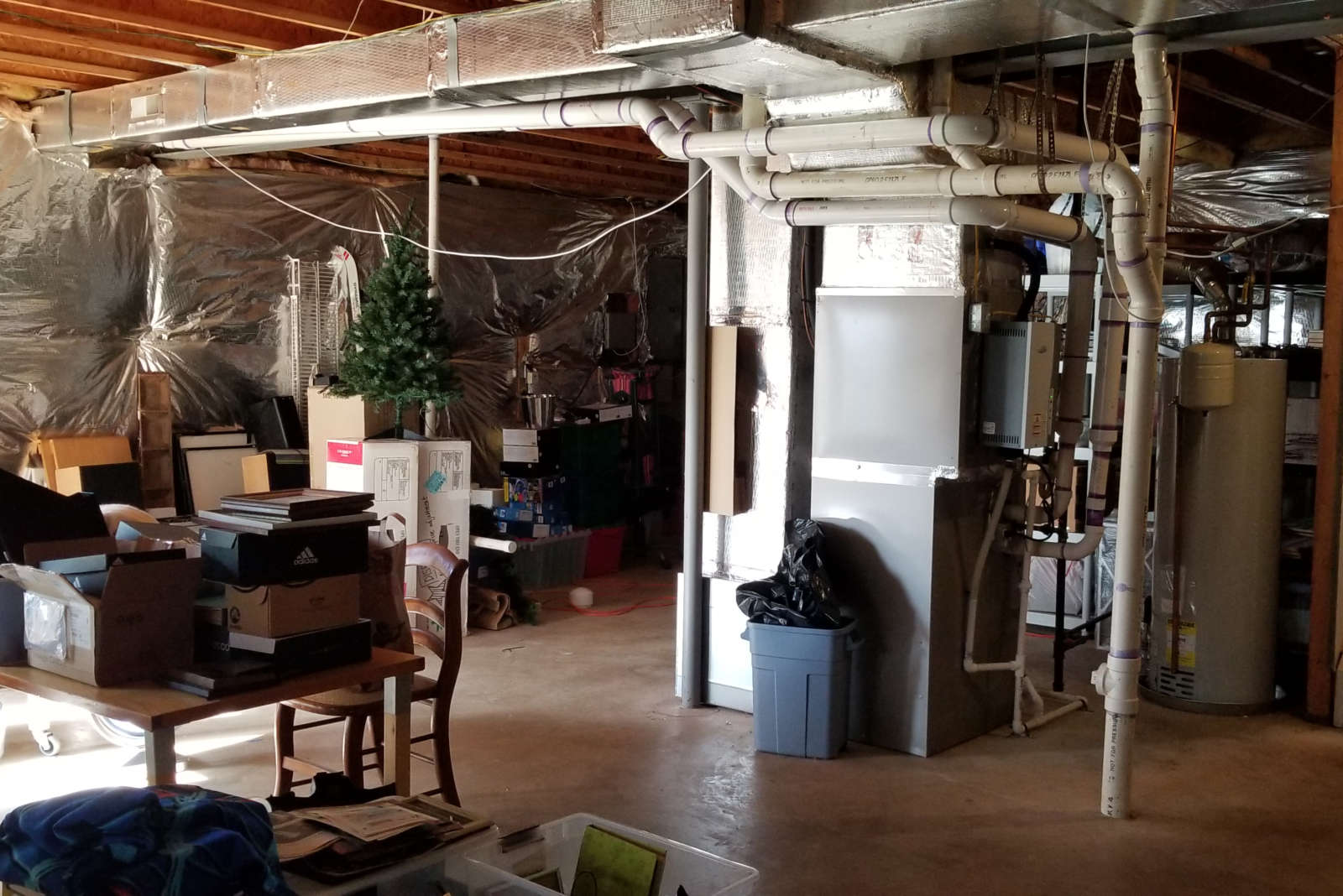
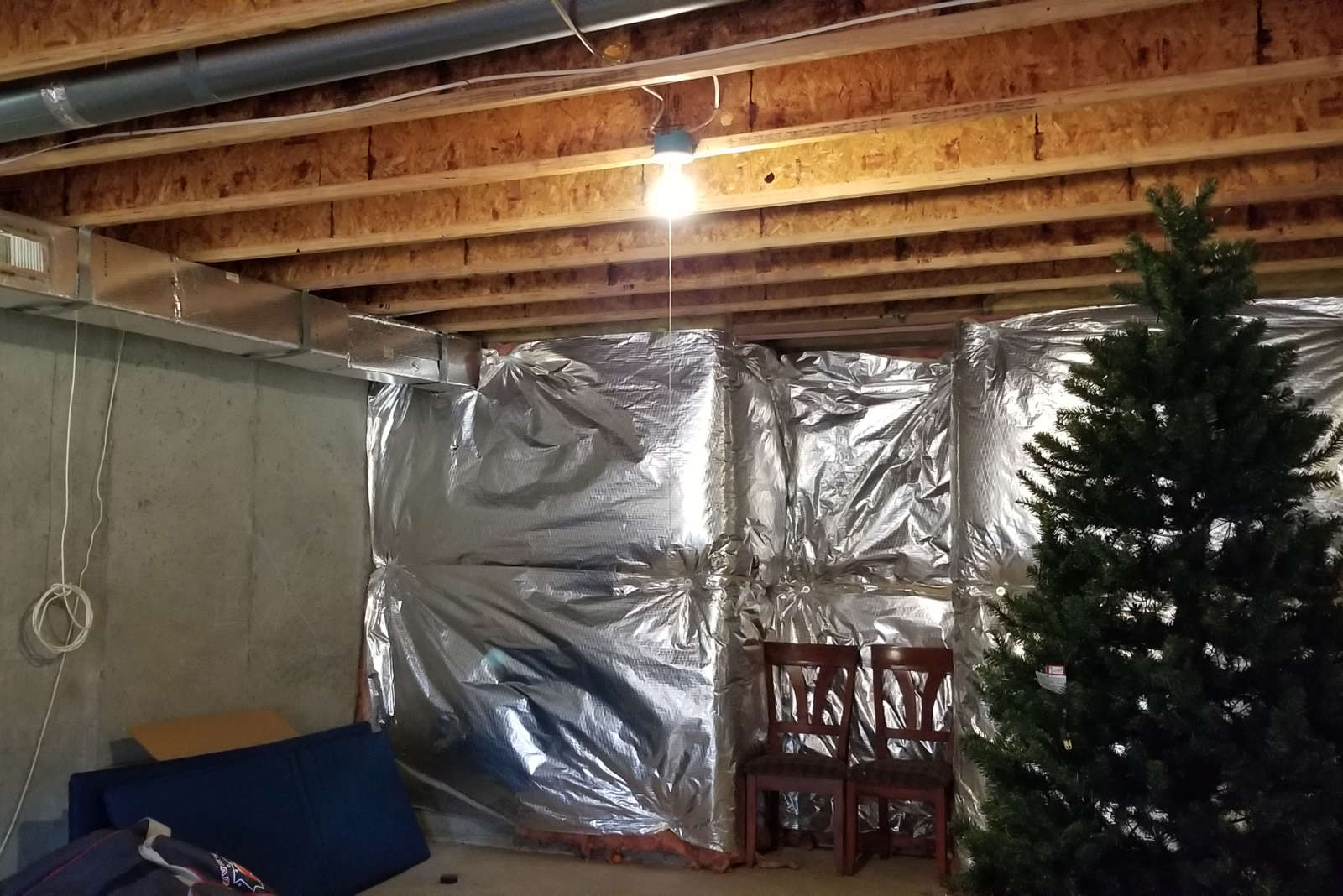
The basement. One of the most underutilized spaces in many homes, basements are often used as nothing more than storage areas.
You’re not sure what’s hiding under those big bags full of toys and clothes, but you’ll get around to donating it all… one day. And those plastic containers you need to move every year to get to the holiday decorations? They’re packed full of “must-keep” items like that comforter set you didn’t want to part with (but never use) and the extra cushions for your old patio set. The suitcases from your last pre-COVID vacation are also down there. Somewhere.
If this sounds like you, it’s time to make a change. A basement remodel can easily give you extra usable square footage, improved storage solutions and add value to your home. Even better, unfinished basements are like a blank canvas with lots of potential, and with the right creativity and vision, they can be turned into beautiful but functional spaces.
But how much does it cost to remodel a basement? Well, like most things in life, that depends! A few factors to think about that impact cost:
- Is your basement currently finished or unfinished?
- Are there any load-bearing columns or other structures that need to be taken in account?
- Is there a lot of ductwork that needs to be added or concealed?
- Are there existing plumbing lines or rough-ins for that “must-have” guest bathroom or bar sink you want?
- What level of finish do you want? Flooring, drywall, bar/office cabinets, tile, bathroom fixtures, interior doors, stairs, new washer/dryer… you can see how the costs start to add up, especially if you want a spa-like guest bathroom or “wow” bar area with gorgeous high-end cabinets and a state-of-the-art wine fridge and pellet ice maker.
- Are you willing to do some of the work and manage the project yourself using a general contractor, or do you want a professionally managed full-service type of experience?
There are many ways you can go about your basement remodel.
Step No. 1 of a basement remodel is figuring out WHO you need — not just WHAT you need. A more cost-effective way may be to use a general contractor (GC), but you will have to take on more responsibility for managing the project and making design choices and (sometimes) buying the materials yourself.
Synergy Design & Construction is a full service design-build firm, meaning we manage the project for you, design it and build it — all using our in-house team of experts. Although using a home remodeling company like Synergy might be more expensive than a general contractor, most of our clients want the peace of mind of working with a company that does all the heavy lifting for them and who manages the whole project from start to finish.
So, what is a reasonable cost for a basement remodel?
Independent surveys often show basement remodels start at the $50,000 to $75,000 range, depending on what it is you’re trying to do. Of course, throwing up walls and laying down carpet can cost less, but many of our clients are willing to invest more to make their dream space a reality. Let’s face it: With no end in sight for a return to the pre-COVID day-to-day “normal,” we’d rather you get exactly what you want. Our promise to you is that we’ll always be realistic with you in terms of what it costs for a quality basement remodel and deliver a project that’s on time and on budget.
Let’s take a look at one of our recent basement remodels. Our client had been dreaming of a home remodel for a long time and knew it was time to do something about the unfinished basement. As in many homes, it was only being used for storage, and they were ready to finally put it to work. So, with a ‘can-do’ attitude, they set about the task of decluttering in preparation for the remodel, which would see their basement go from storage zone to a multi-purpose family-friendly recreation room, office/guest bedroom and guest bathroom — and even have enough room for discreetly hidden HVAC and storage space.
Although the COVID-19 pandemic began just before construction started, the timing for this remodel turned out to be perfect. Trusting us to complete their home remodel safely, they knew it was now a “must have” to proceed given the extended periods of time spent at home during lockdown with virtual schooling and working from home now a necessity. The family is now ready to kick back, relax and spend quality time together in their lovely new spaces.
Ready to find out what it might take to take your basement from storage unit to multi-purpose family-friendly space? Get in touch!
At The Kensington Reston, our promise is to love and care for your family as we do our own.
Our leadership dreamed of building residences where they’d want their own parents to live. So they did, right in the heart of Reston. We can’t wait to introduce you to the vibrant lifestyle, uncompromising care and profound devotion to family that comes with residency at The Kensington Reston.
The Kensington Reston is a senior living community like no other in the area. Our tastefully elegant assisted living and memory care community will feature best-in-class care giving and a full spectrum of clinical support to the seniors you love — in surroundings customized for their comfort and safety.
We offer two separate neighborhoods of memory care, enabling us to address the challenges unique to specific phases of disease progression. Couples are welcome, even if the care needs of one half of the couple are not the same as the other.
We are grateful for the chance to care for your family and look forward to being part of your community. We plan to officially open our doors in early 2021, but we welcome you now for a sneak preview at our Information Center, located at 1850 Centennial Park Drive, Suite 130, Reston, VA 20191.
Please call us at (571) 494-8100 or email us at [email protected] to schedule your tour today!
Visit our website at www.KensingtonReston.com.
The Supreme Court ruled in favor of the Trump administration’s proposed changes to the “public charge” rule, allowing it to take effect nationwide in February. This decision follows injunctions by multiple appeal courts in states across the country that attempted to block the policy from being implemented back in October of 2019, as originally planned.
The policy in question falls under the scope of the Immigration and Nationality Act, and would enact new standards on those seeking permanent residency in the United States.
“These new measures can make it easier for the government to deny green cards and visas to immigrants who are considered ‘burdens’ to the American taxpayer,” Immigration Attorney Natalia Segermeister explains. “This policy will disproportionately impact low-income immigrants and immigrants of color that are seeking to gain legal residency in the United States.”
Legal History of the Public Charge Rule
The concept of public charge has long been a part of American immigration policies since codified into law by Congress in 1882, and has been commonly used to deny American citizenship to legal immigrants. The original public charge rule referred to any immigrant that is classified as “likely to become a public charge,” meaning they primarily depended on the government for support at any time. However, it failed to define exactly what constitutes a public charge.
Under the Trump administration’s new regulation, the term “public charge” includes any immigrant that relies on the government for public benefits such as Medicaid, food stamps, and subsidized housing, and puts a much greater emphasis on a person’s financial well-being and self-reliance.
States across the country attempted to halt the policy from going into effect, and were temporarily successful after a federal judge in New York imposed a nationwide injunction in January. Yet later the same month, the Supreme Court heard the case and ultimately ruled 5-4 in favor of the policy, thus lifting the nationwide injunction.
Response to the New Policy
The Trump Administration’s goal for the new policy and its public charge regulation is to ensure that the country’s immigration system grants permanent residency only to legal immigrants who can provide for themselves and to promote self-sufficiency among immigrant communities. This goal further promotes the administration’s belief that legal immigration should be merit based.
Yet the change to what constitutes a person as a public charge has been questioned and strongly criticized by opponents to the administration’s legislation. In response to this backlash, the administration argued that a person’s dependence on the government is already a factor considered in their status and in determining whether or not to grant legal residence in the United States.
The administration claims that large numbers of non-citizen immigrants have taken advantage of our country’s generous public benefit, but critics are pointing to statistics that say otherwise. It is reported that non-citizen immigrants makeup only 6.5% of Medicaid participants and 8.8% of food stamp recipients. In addition, there has been a recent increase in immigrant families, even those who are already U.S. citizens, withdrawing from essential welfare programs in response to the proposed changes.
Future Impact of the New Policy
While the policy only recently went into effect in February of 2020, it is expected to have the deepest and widest impact on legal immigrants for decades to come. This public charge regulation is just one of several proposals that the administration originally unveiled in regards to severely restricting legal immigration.
The D.C. Attorney General, Karl Racine, has filed three lawsuits against seven real estate companies and professionals for alleged housing discrimination. The parties named in the suit primarily operate properties in Wards 4 and 8, with six of the parties registered in D.C. and one of the parties registered in Maryland.
“The alleged behavior noted in these lawsuits violates the Human Rights Act,” says Attorney Seth Price of Price Benowitz LLP. ” This act strictly prohibits landlords from denying individuals equal access to housing on the grounds of 21 protected traits, which include race, gender, sexual orientation, national origin, disability and source of income.” Two of the lawsuits came as direct referrals from the D.C. Office of Human Rights, which has recently made efforts to follow a stricter enforcement of the Human Rights Act across the city.
Denying Housing Based on Race
In one of the lawsuits, the District Attorney’s Office (DAO) alleges that a D.C. landlord of a rowhouse unit located at 3929 13th Street NW in Ward 4 discriminated against a prospective Black tenant on the basis of race. The lawsuit accuses the landlord of indicating that they had a preference for white tenants and making discriminatory statements against the individual.
The prospective tenant, who participates in the housing choice voucher program, stated that the landlord refused to provide an approval letter that the individual needed in order to receive payment assistance for their security deposit.
Rejecting Section 8 Applicants
In another lawsuit, District Attorney Racine alleges that a real estate agent of Porter House International Realty Group engaged in source of income discrimination against a prospective tenant. The rental property, located at 615 Galveston Street, SE in Ward 8, is owned by Porter House and included the statement “No Section 8,” in its description for the rental property that was listed on Craigslist. Section 8 concerns housing vouchers that meant to assist low-income families, the elderly, and those who are disabled.
The lawsuit is looking to hold both the real estate agent and the company responsible for the alleged income discriminatory advertisement.
Dismissing Accommodation Requests
Lastly, the third lawsuit alleges that KEM Associates and two employees of property management company Delwin Realty discriminated against a current tenant of Hillcrest House in Ward 8 due to their disability. The rental property is owned by KEM Associates but managed by Delwin Realty.
The tenant, who suffers from a mobility issue, stated that they had requested a designated disability parking spot that was located within 200 feet of their apartment entrance, but the Delwin Realty employees denied their request and allegedly urged the tenant to instead move to a different living community. This denial of request violates the reasonable accommodation clause in the Human Rights Act.
Seeking a Court Decision
In these three lawsuits, the Office of the Attorney General is seeking a court order to hold the defendants responsible for not adhering to the Human Rights Act. Additionally, Attorney General Racine is requesting restitution for the alleged victims of these discriminatory acts.
During his tenure, Attorney General Racine has been historically strict against landlords who have violated the Human Rights Act and denied housing to individuals as a result. Earlier this year, Racine had filed lawsuits against 16 property owners and landlords largely concerning advertisements that stated they would not rent to individuals who participated in the housing voucher program.
Impact of COVID-19 on Housing
This has only exacerbated the current housing crisis that has come as a result of the COVID-19 pandemic. The District is currently seeing increased rates of individuals in need of housing assistance in order to afford rising rent prices, amidst the current housing shortage and stagnant economy.
A bill aimed at increasing the penalties that landlords would face for refusing to rent to tenants solely due to their participation in rental assistance programs is currently under review by the D.C. Council.

The COVID-19 pandemic continues to impact every aspect of modern-day life, from the way consumers buy their groceries to how employees connect to corporate systems. Learning is no exception.
Since the outbreak, online learning has become more central to people’s lives. And many plan to continue the trend: More than half of American adults who expect to need more education or training post-pandemic say they would do it online, according to an August 2020 survey by the Strada Education Network.
Yet not all online education is created equal — and IT pros looking to invest in a program should compare and contrast options carefully.
Whether pursuing a full-time master’s degree to deepen IT expertise or seeking a certificate to boost content knowledge in a specific area, there are many reasons why Virginia Tech’s 100% online Master of Information Technology program (VT-MIT) is a superior choice for IT leaders.
The U.S. News & World Report’s Best Online Programs report ranks Virginia Tech’s MIT degree the nation’s fourth best. The program blends coursework and offers twelve areas of specialized study for a diverse education.
Courses are taught by world-class faculty experienced in translating a robust academic experience to an effective online format. For nearly 20 years, the VT-MIT program has relied on a two-tiered system of master faculty and distance learning instructors who together deliver a superior online classroom experience that encourages peer-to-peer support, faculty-to-student mentoring and real-time engagement, making VT-MIT a leader in the online education space long before COVID-19 forced other programs to go virtual.
Students can also expect to reap these advantages:
- Increased Flexibility — Students can choose their own timeline and toggle between full- and part-time schedules, depending on employment status and current workload.
- Greater Convenience –– A combination of synchronous and asynchronous online classes allows students to learn anywhere, anytime — ideal for remote workers unsure of when they may return to the office.
- Enhanced Value — Students can earn a VT-MIT degree at a universal tuition rate (no residency required) from a well-respected public institution.
Today’s IT professionals must act fast to keep pace with a rapidly evolving IT environment. Experience and specialized IT skills are critical to making the right technology decisions, at the right time. With the flexibility of an online VT-MIT degree or graduate certificate, IT leaders can strike the perfect balance: earn a respected credential that will help them confront the technological challenges of the 21st century while accommodating new realities.

Meet Huey, an adult male tuxedo cat available for adoption locally.
Here’s what his friends at Little Buddies Adoption and Humane Society have to say about him:
Huey is a very sweet and caring cat. Once he gets to know you, he will climb up into your lap. He loves to be near his human family and sleep right next to you.
He is also very playful and especially loves to play with his laser light. He also likes to play with his small teddy bear toy, which he throws in the air and chases. He loves to play in water.
He also enjoys being rubbed on top of his head and will sit there with his eyes closed for as long as you pet him there. He loves long pets from his head to the end of his tail.
Huey is about a year old.
Are you and Huey a match?

As the COVID-19 pandemic extends, many professionals are taking this time to prepare for the future by investing in graduate education. And there might not be a better time to do so.
Whether it’s the increased flexibility in classroom formats, frozen tuition rates, relaxed admission requirements, or reduced interest rates on student loans, there are plenty of reasons why students feel like this time period is a unique opportunity for them to build the skills and professional network they need to advance their career.
While fall classes have already started, there are still options for individuals who want to take advantage of graduate study opportunities before next year’s back-to-school season. Virginia Tech’s local Evening MBA program offers a spring entry term with classes starting January 19.
The Evening MBA is a top 20 nationally ranked program designed with maximum flexibility for working professionals.
Students choose their own course load each semester, so those dealing with job uncertainty or working parents with new childcare demands can find the right workload for them and even easily switch between full- and part-time status.
While classes typically take place in-person on weekday evenings at Virginia Tech’s conveniently located Falls Church center, the current environment shifted instruction mode to primarily online, with some classes still offering an in-person option.
The flexible program format contributed to what associate director of MBA recruiting Rebecca McGill described as a “significant increase in applications and enrollments for the fall term.” She added that many also chose this time to apply because they can “take advantage of relaxed GMAT/GRE test score requirements that have never been offered before.”
For spring applicants, the Evening MBA reduced the number of years of work experience required for a test score waiver from ten years to five.
McGill expects the increased application trend to continue for the spring term “as more and more individuals use this time to invest in themselves and their future.”
Applications for the spring semester are due December 1. Learn more at evening.mba.vt.edu.
Since Donald Trump became President in 2016, the number of immigrants applying to become U.S. citizens has greatly increased. While the increase in applicants might suggest the process to become a U.S. citizen might be easier, the opposite is true. Under Trump’s presidency it has become much more difficult to become a U.S. citizen as applicants are facing longer processing times and the vetting process is much more extensive.
U.S. Citizenship and Immigration Services
The U.S. Citizenship and Immigration Services (USCIS) is the agency responsible for processing applications and the agency has suffered from the effects of the coronavirus pandemic. The USCIS had to temporarily close field offices due to the coronavirus pandemic, and while they have now reopened with limited capacity restrictions, there is a backlog of applications waiting adjudication, which slows down processing times. In addition to facing a backlog of applications, the agency is also facing a budget crisis which is also causing a slowdown.
Trump’s Immigration Policy
Trump tried to depict himself as favoring immigration when campaigning, but his policies have targeted immigrants. Instead, these policies were designed to keep immigrants out of the United States. From placing bans on worker visas to increasing the restriction of Green Cards, Trump has not only made the process of becoming a U.S. citizen difficult but entering the United States as an immigrant as well.
Naturalization
It has become harder to be naturalized, and the process can take from 8 months to a year to become a citizen from the time of application. However, in populous states, the wait can sometimes exceed over two years. Those eligible for naturalization are people over 18 years old, have been a permanent resident for a minimum of 5 years, or 3 years if they married an U.S. citizen. This delay is because the USCIS is now entering a process of extreme vetting trying to ensure that the applications being approved are not fraudulent.
Denaturalization Section
The Department of Justice (DOJ) announced the denaturalization section in February 2020 which means there is now a section specifically dedicated to investigating and revoking citizenship. This section allows the DOJ to strip a person of their citizenship rights.
The denaturalization section aims to hold those who unlawfully gained citizenship accountable for their actions. However, while this section might have been created with good intentions, the concern is that denaturalization proceedings will be initiated against immigrants who have not committed serious or heinous crimes. This also means that immigrants still have to worry about removal even after they gain U.S. citizenship.
Becoming a U.S. Citizen
While it is more difficult to become a U.S. citizen, it is still possible. There are a number of contributing factors that have made the process more difficult, but it is not impossible. An experienced immigration attorney can help you mitigate these factors and walk you through the application process.