

This is a sponsored post from Eve Thompson of Reston Real Estate. For a more complete picture of home sales in your neighborhood, contact her on Reston Real Estate.
It was an interesting year in Reston real estate. When the COVID-19 shutdowns hit, most agents were sure we’d be having a very difficult year. Oddly, after a quiet two or three weeks, most of us found ourselves busier than ever.
Low interest rates created a great buy-up market, and families suddenly faced with living, working and educating in one place found themselves reevaluating their housing needs.
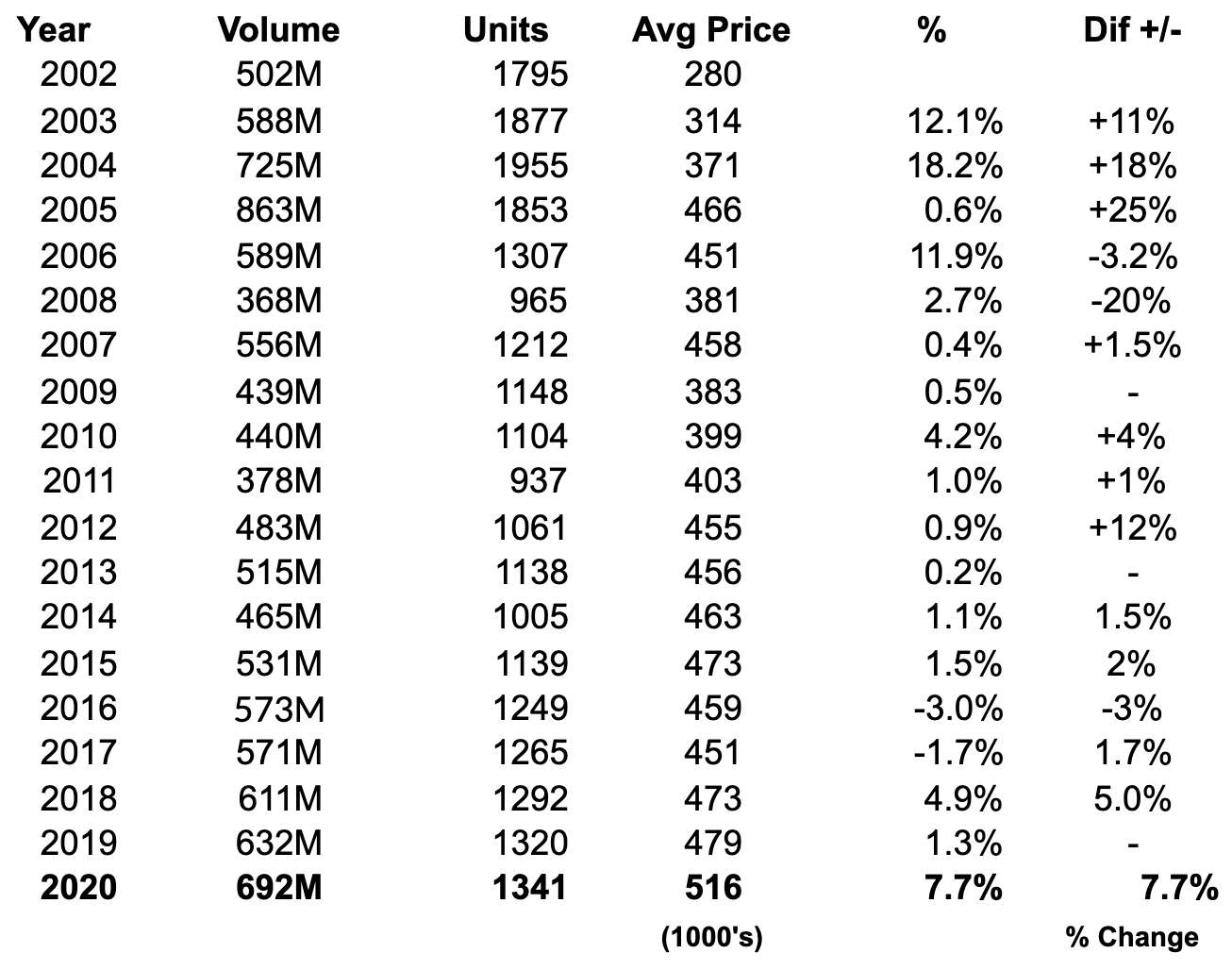
More than 1,341 properties as of this writing have traded hands with another 60-plus scheduled to settle by December 31 — pushing Reston to just over 1,400 transactions with a value of more than $721 million.
Average home prices rose by 7% this year, coming in at $517,000 vs. $479,000 in 2019. Demand has remained strong and housing inventory has been low. If you’re selling a home and are not getting lots of traffic, you need to have a heart-to-heart with your agent. Strong demand doesn’t mean the buyer will buy anything — price and condition are still the most important factors in getting your house sold.
We currently have just 104 properties on the market; 107 homes sold in the past 30 days, and 66 homes are pending.
With interest rates expected to average 3.075% through 2021, the Reston real estate market should continue to be strong. If you’re ready to sell in 2021, you shouldn’t have too much trouble, provided you work with your agent to get your house ready and dig into the numbers to really understand what the market is doing in your neighborhood.
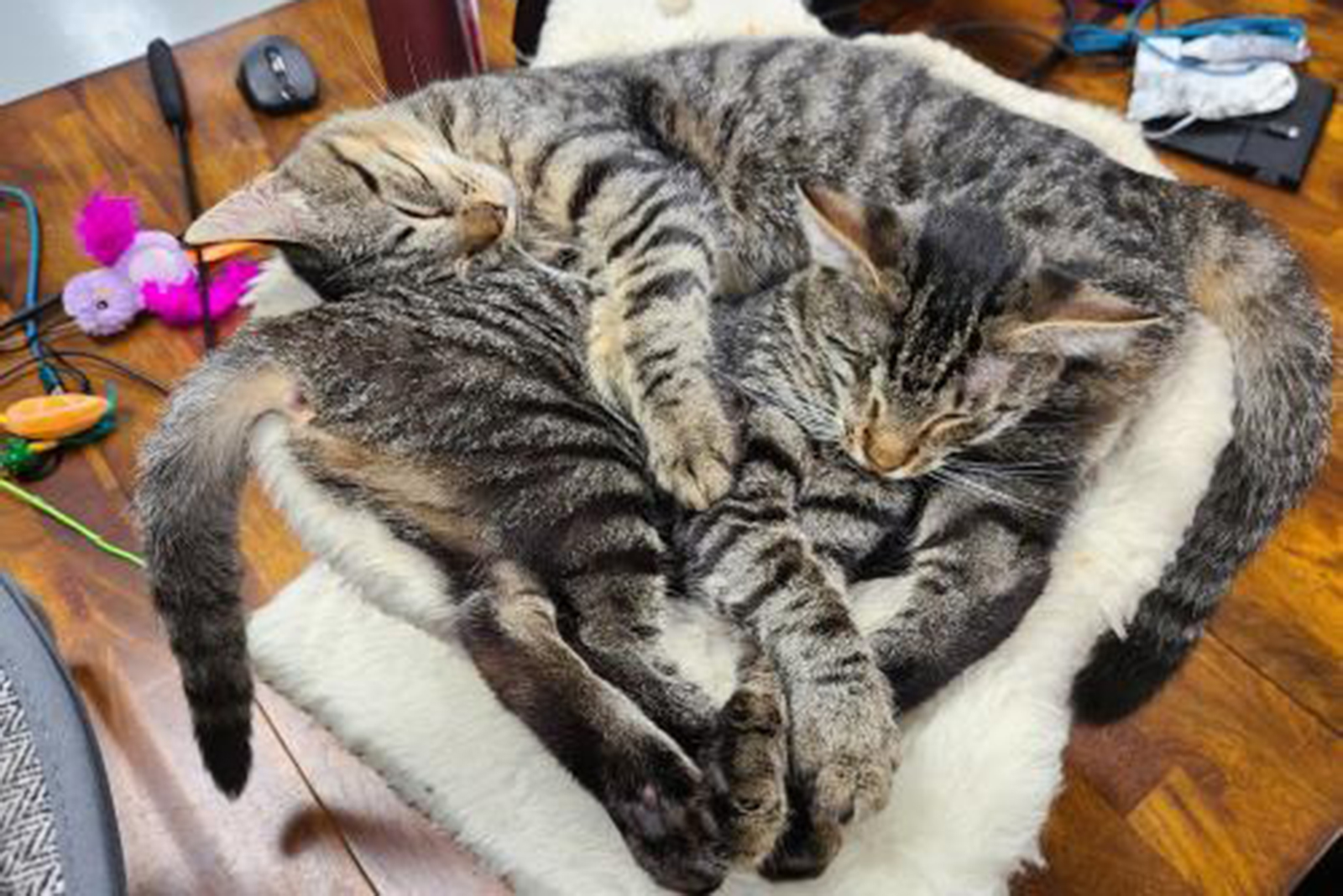
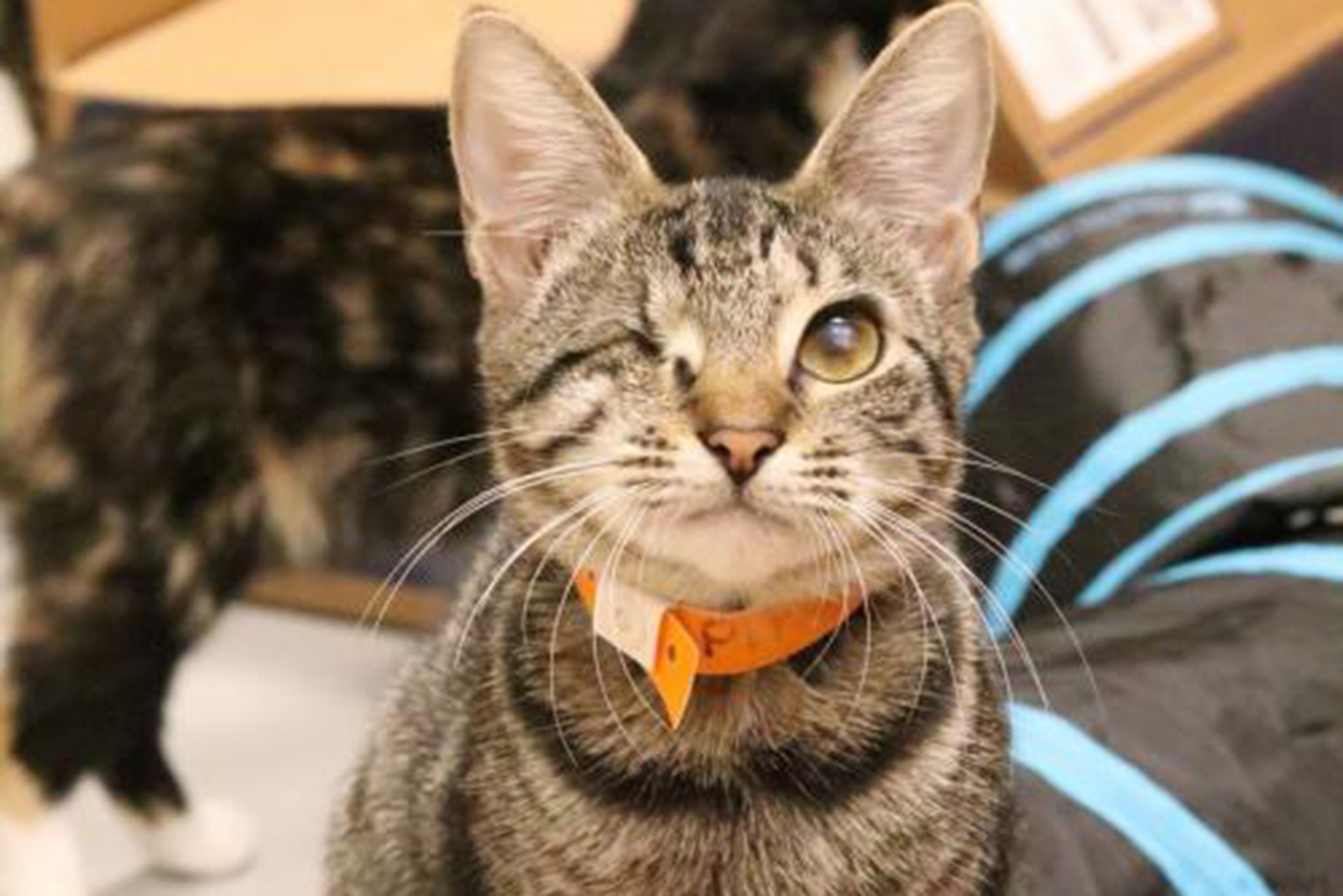
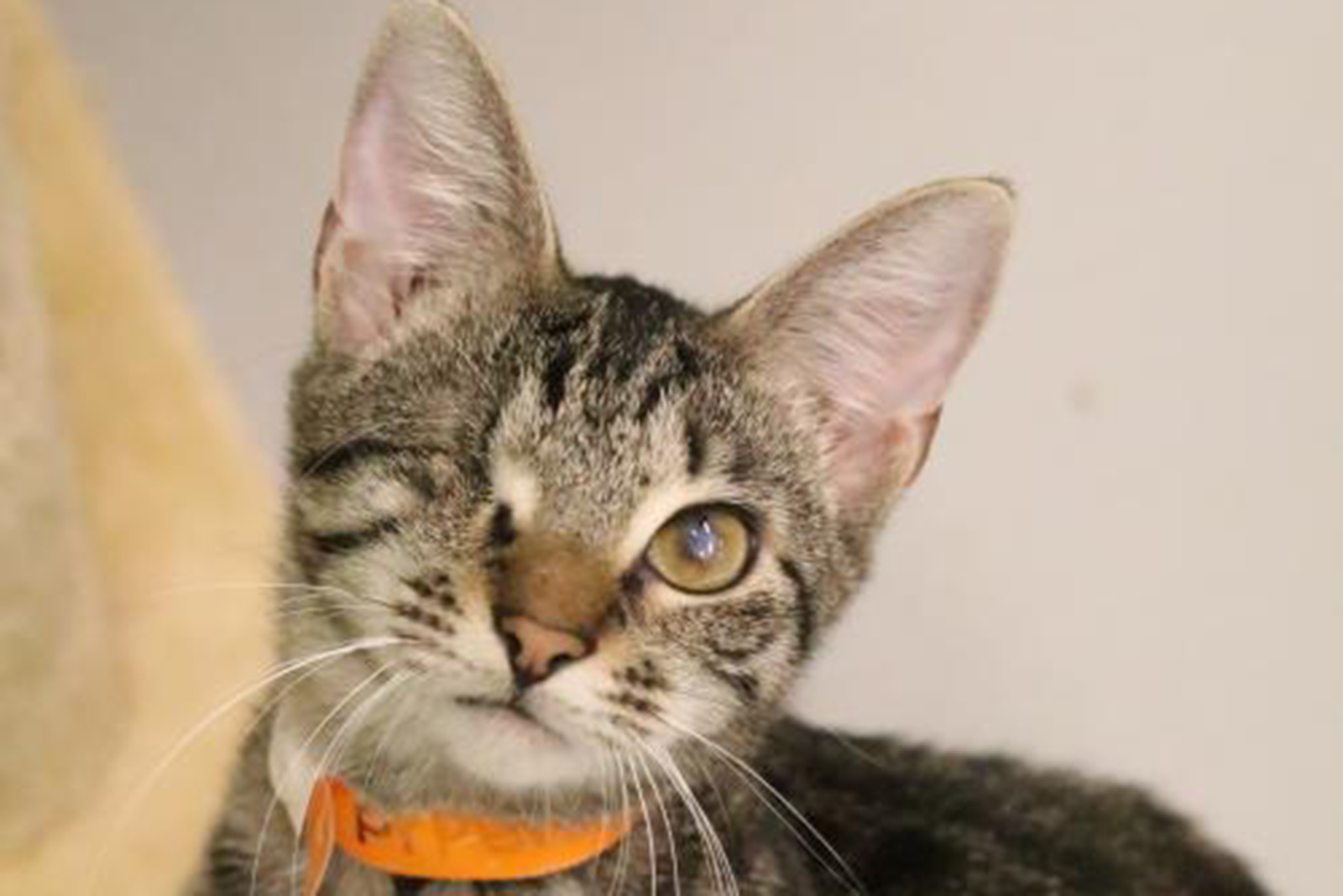
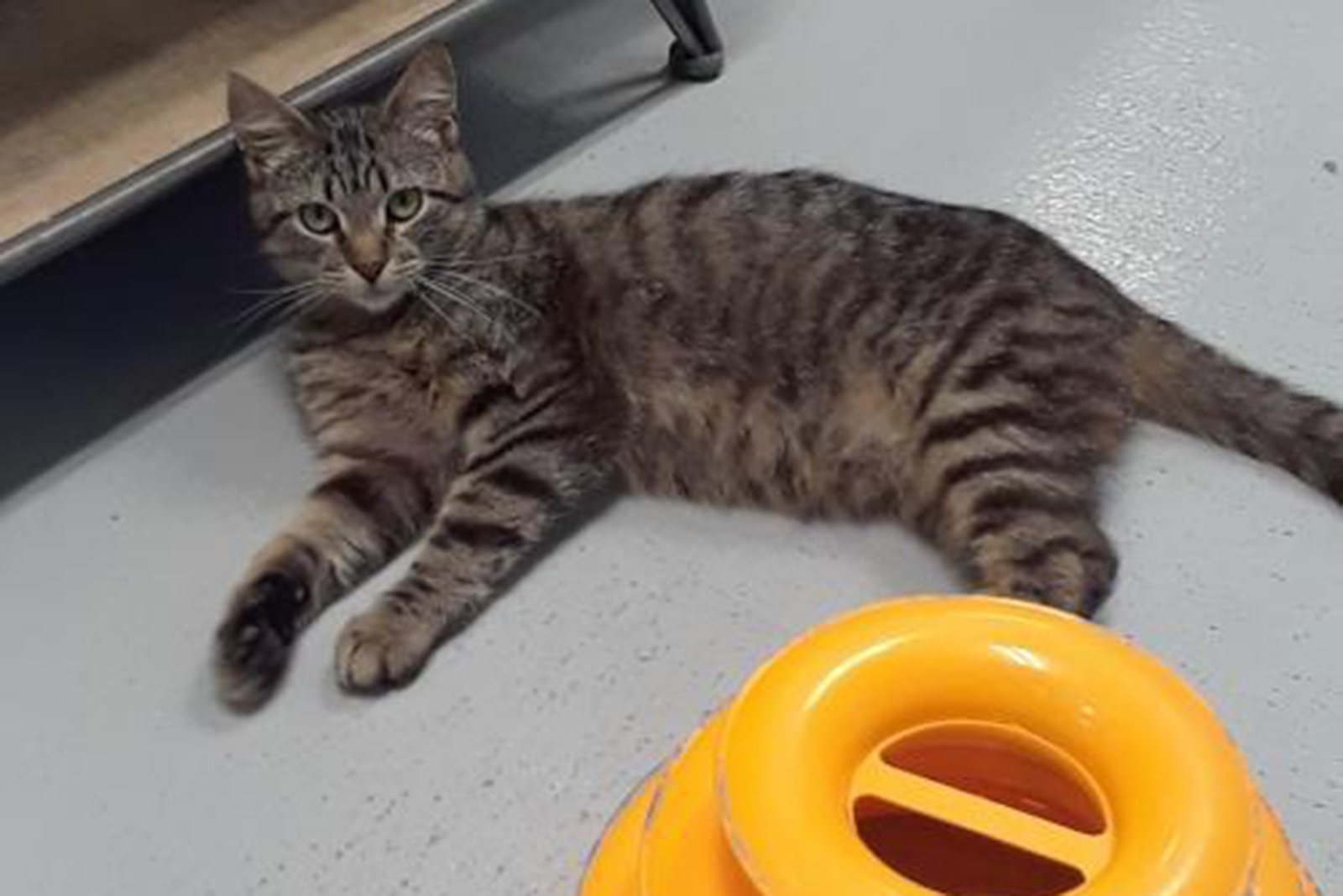
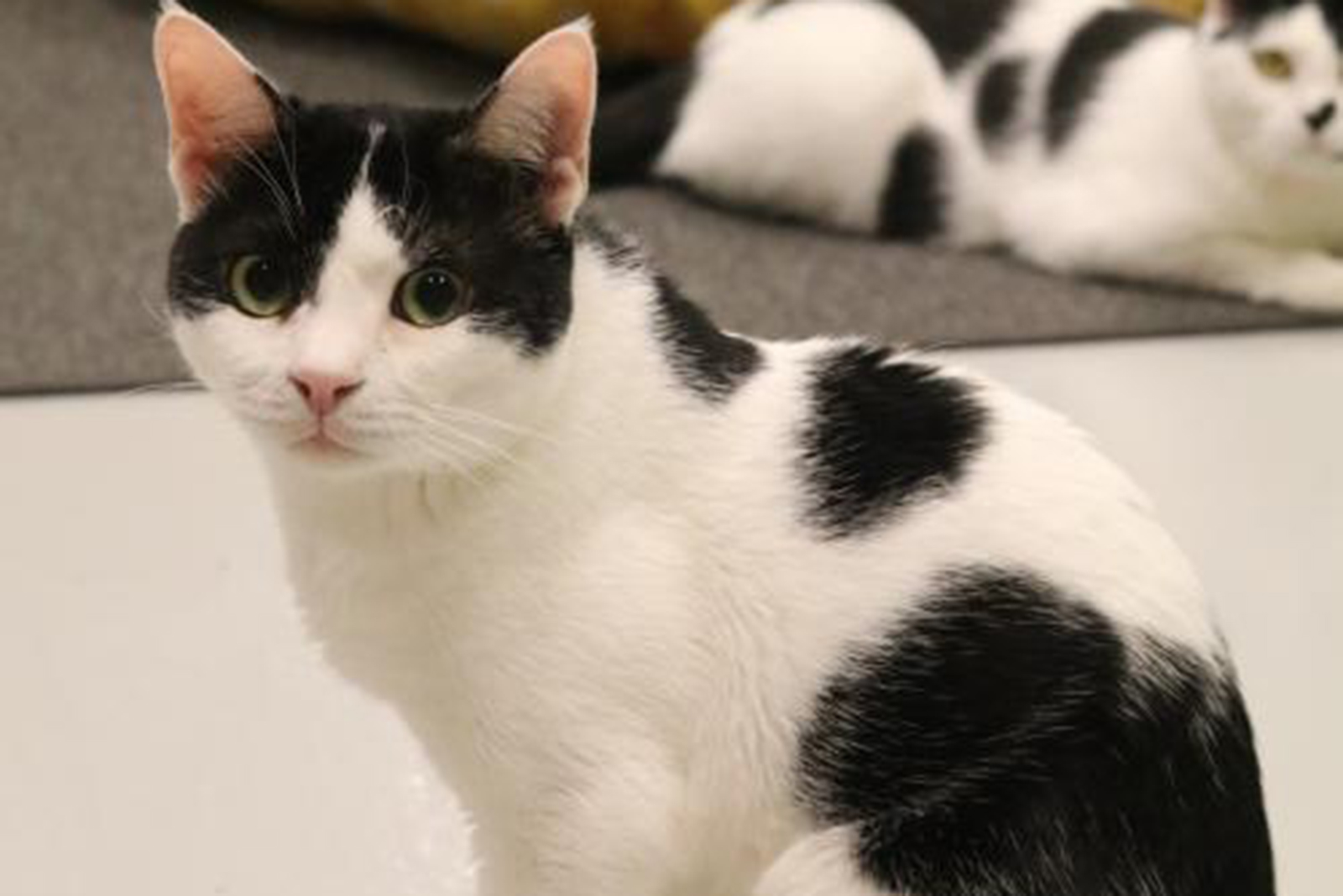
Say “hi” to Triscuit and Piper, two energetic kitties who are up are adoption locally.
Here’s what their friends at Fancy Cats Rescue Team had to say about this duo:
Sweet Piper is full of energy and is fearless jumping up in the cat trees even though she only has one eye. Initially she was shy, but it didn’t take long before she was ready to play with all the other cats at the lounge. She’s good with adults, kids and especially other cats, so she will need to have a companion.
Triscuit is very playful and energetic. He loves to lick everyone and likes to cuddle with humans. He’s comfortable hanging around the cats but is learning to like the attention he’s been given while at Patriot Cat Lounge. Some of his favorite toys are the wands with birds or worms at the end, but he also loves the ping pong balls. Please come meet him.
See him at instagram hashtag #triscuit_fcdrt.
Will you, Triscuit and Piper make the perfect trio?
By Nicola Caul Shelley, Synergy Design & Construction
Transitional design continues to reign supreme when it comes to kitchen remodels in Reston and across the county, but with so many homes in our area leaning toward more contemporary architecture, a transitional kitchen is not the only way to go. We love it when clients are ready to remodel with a more modern aesthetic that’s in keeping with the rest of their home.
When we think of “contemporary design,” it sometimes conjures up images of cold, urban, minimalist design. Not so! Contemporary design tends to get a reputation as being reserved for city dwellers with lots of exposed brick, concrete and ductwork, but today’s contemporary design bridges the gap between the extreme of the ultra-modern and the everyday “we actually live here and not in a magazine version of ourselves” look.
Here are a few tips on how to achieve a more contemporary look:
- To avoid a space feeling ‘cold,’ don’t use all one color of cabinetry. Natural wood colors have been re-introduced into cabinetry, and it’s a trend we LOVE. Think white oak base cabinets and white upper cabinets or the incorporation of walnut into your design. We’re calling this as one of the major design trends in coming years. What else is on our list? Read “The Synergy Team Calls the 2021 Home Remodeling & Interior Design Trends.”
- Paint trends are leaning toward more calming and natural colors. Use paint as another way to modernize your space without losing warmth. Not sure where to start? Check out these color trends of 2021.
- It’s all about tile! Geometric or textured tile is a trend that began a few years ago and is here to stay. A great way to update your look is a simple backsplash or floor update.
- Fixtures don’t need to be all chrome to be modern. One of our favorite trends in recent years is the use of mixed metals. (Think: honey bronze, black and rose gold.)
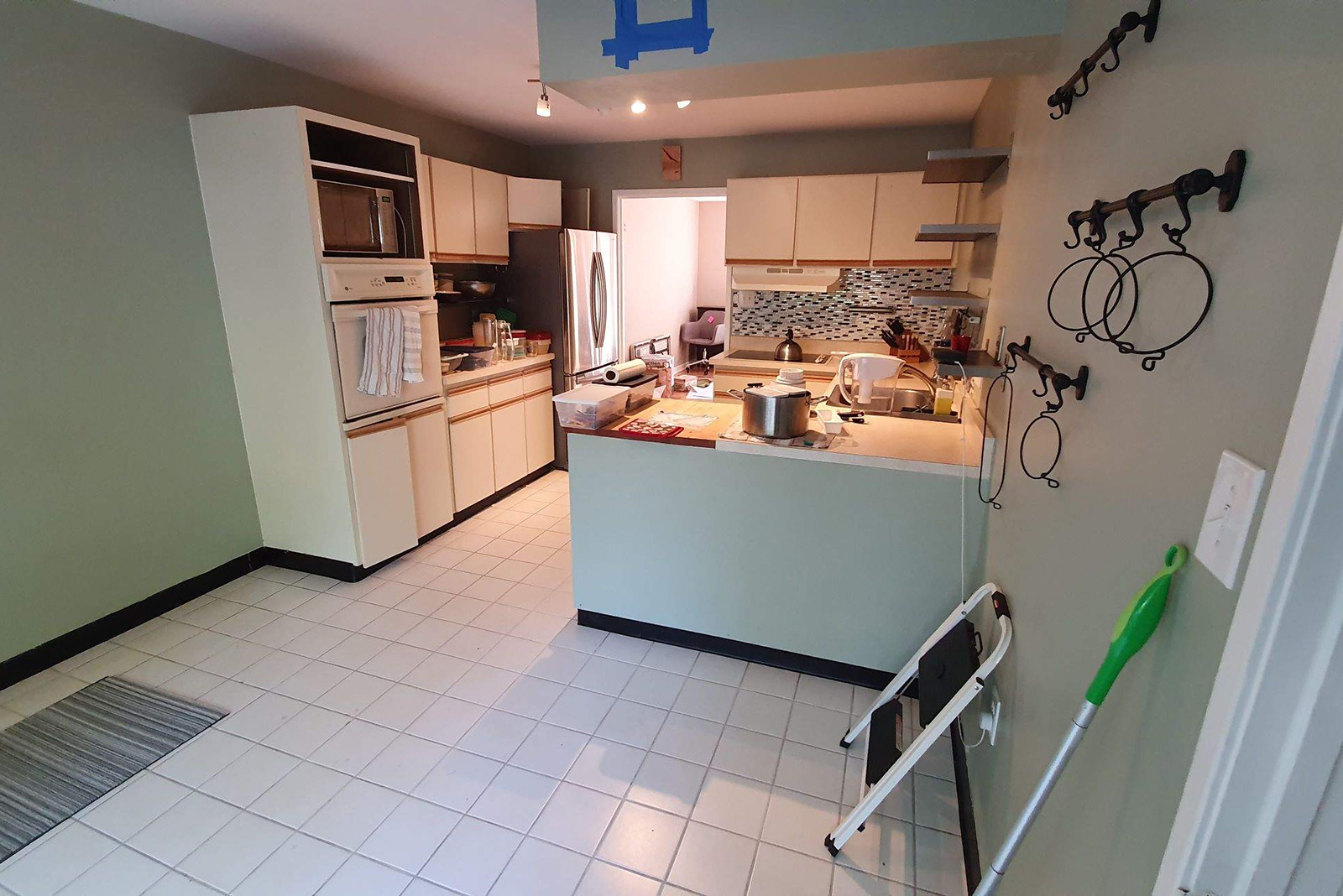
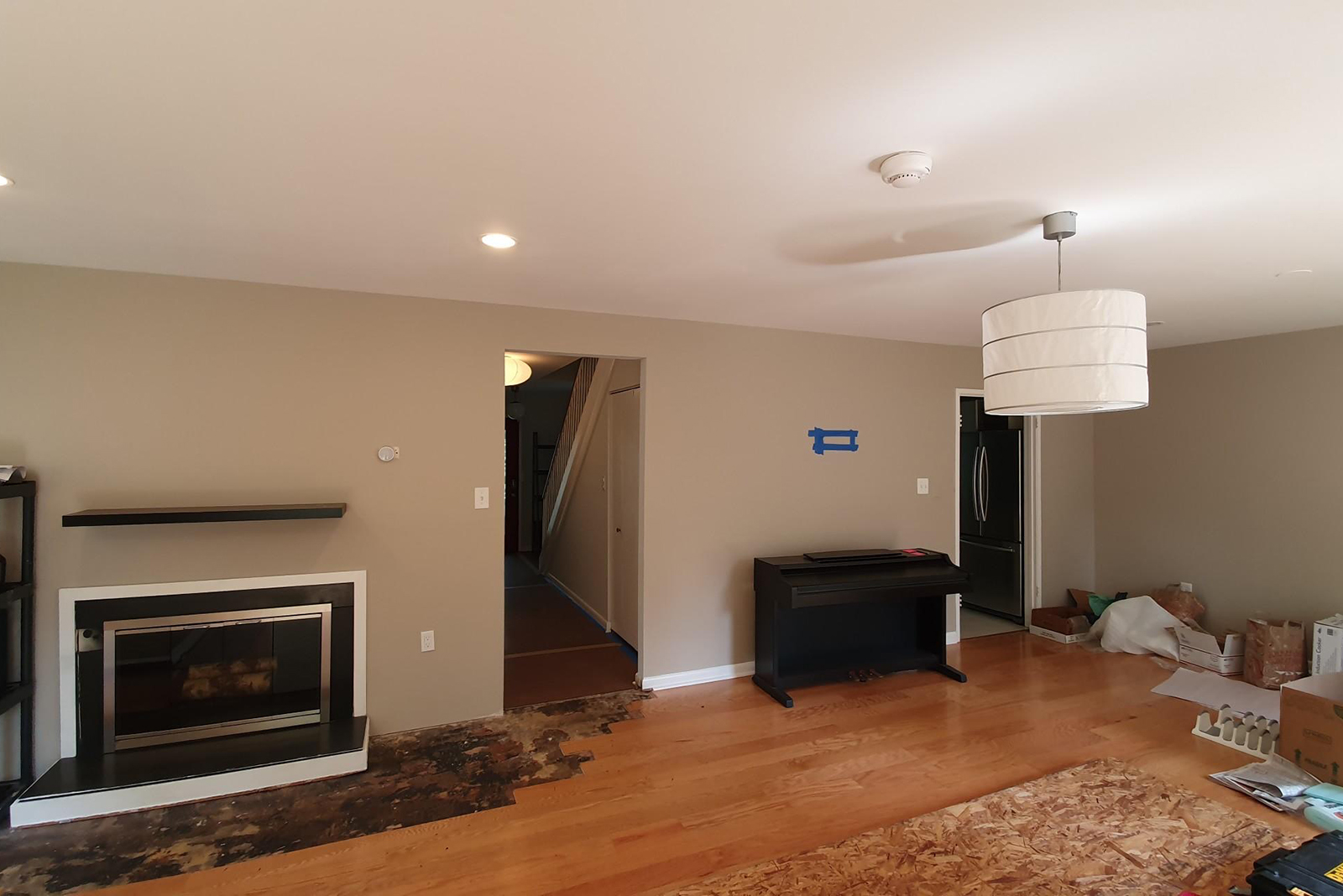
This month’s featured home remodel is a contemporary Reston gem. This Reston home had great bones and a lot of personality, but the finishes were dated, and a load-bearing wall between the kitchen and dining room made the spaces feel small and closed-off. This remodel was all about breathing a breath of fresh, modern air throughout the main level and opening up the floor plan. You can see more of the ‘before and afters’ of this project here.
Whatever your aesthetic, our in-house team of interior designers are ready to help you design your dream kitchen, master bathroom or basement. We don’t believe in a “one size fits all” approach and each project we work on is a custom remodel. Ready to work with a company who can turn your design vision into reality? Get in touch!
After purchasing your car insurance you will receive a declaration page from your insurance company detailing the amount and type of coverage you have for specific incidents. Below are some of the most important areas to understand.
Bodily Injury Coverage
If you are involved in a car accident with one or more other cars a claim or lawsuit may be made against you for personal injury. This claim could be made by a passenger in your car or the driver or passenger in the other car(s). New York State law mandates that your insurance carrier must provide at least $25,000/$50,000 in coverage for this claim. Many car owners in Suffolk County chose to increase that amount of coverage. It is common to see Suffolk County car owners with Bodily Injury coverage in the amount of $100,000/$300,000, $250,000/$500,000 or even higher.
Supplemental Spousal Liability Coverage
Regular bodily injury coverage applies to all passengers in your car if an accident is caused by the driver’s negligence. However, if the passenger is the spouse of the driver, the coverage will not apply.
Insurance companies in New York are required to offer the car owner an opportunity to purchase Supplemental Spousal liability coverage. This coverage covers the liability of the car owner if their spouse is injured or killed due to their negligent operation of the car. With this coverage the spouse can make a claim up to the amounts of the bodily injury limits.
Property Damage Liability Coverage
This coverage is used to pay to repair damage that you cause to another person’s vehicle or property. In New York State the requirement is that insurance companies provide at least $10,000 for third party property damage liability coverage. Many cars in Suffolk County are worth far more than $10,000. For that reason many Suffolk County car owners purchase a higher amount of this type coverage. Property damage limits of $25,000, $50,000 and higher are available for an additional premium.
Collision Coverage
This optional insurance, is when your own insurance company pays you, without regard to fault, for damage to your car caused by a collision with another car or any other object or your car overturning. Collision coverage has a deductible option that is generally between $500 and $1,000.
Comprehensive Coverage
This coverage is used when your insurance company pays you, without regard to fault, for damage to your car from all causes, other than collision, such as theft (of your car or some of its parts), fire, flood, windstorm, glass breakage, vandalism, contact with an animal, or contact with falling or flying objects.
Comprehensive coverage has a deductible option that is generally between $500 and $1,000.
Personal Injury Protection (PIP) — No-Fault Benefits
If you are injured in a car accident in New York State you will most likely receive Personal Injury (PIP) benefits from the insurance carrier of the car you were in. This type of coverage is commonly referred to as “No-Fault” benefits.
New York State requires your insurance company to provide at least $50,000 in basic No-Fault benefits. Many car owners in Suffolk County purchase additional coverage.
A car owner may raise the limit of basic No-Fault coverage to $100,000 or even higher. Accident victims in Suffolk County often sustain very serious injuries that require surgeries or hospital stays; in these cases the basic $50,000 in coverage can be exhausted quickly.
In addition car owners can purchase Optional Basic Economic Loss (OBEL) coverage from their insurance company. This increases the No-Fault coverage by $25,000. After the basic amount is exhausted the OBEL can be designated by an injured person to be applied specifically to payments for loss of earnings from work (wage loss), for rehabilitation, or to all elements of basic economic loss.
Supplementary Uninsured/Underinsured Motorists (SUM) Coverage
This coverage includes bodily injury protection against negligent actions of an uninsured or hit-and-run motorist. The minimum amount of this coverage is $25,000/$50,000. For an additional premium you can purchase additional coverage limits.
This coverage is also used if you are involved in an accident with another vehicle that does not have enough coverage to compensate you for your bodily injury. This is known as underinsured coverage.
The Law Office of Carl Maltese Understands Car Insurance Coverage
The Law Office of Carl Maltese has been representing car accident victims for over fifty years. During that time, we have handle thousands of cases that involved New York State Car insurance. We have always been able to explain to our clients how car insurance affects their personal injury claim.
If you have been in a car accident, contact the Law Office of Carl Maltese at (631) 543-8811 for a free consultation. At your free consultation we will be happy to answer any and all questions about your car insurance.

This is a sponsored column by attorneys John Berry and Kimberly Berry of Berry & Berry, PLLC, an employment and labor law firm located in Northern Virginia that specializes in federal employee, security clearance, retirement and private sector employee matters.
By John V. Berry, Esq.
We often are consulted on security clearance matters by federal employees and government contractors in the security clearance process.
In many cases, the security clearance application, investigation and adjudication process will be non-eventful. However, if problems arise, they are typically discovered as the federal employee or government contractor is in the process of preparing his or her security clearance application through e-QIP or the government’s Standard Form 86. If there are potential security clearance issues for an applicant, they should seek advice from an experienced attorney in this area as early as possible.
The following are some general tips for those individuals going through their first investigation — or their third re-investigation:
1. Take Time, Don’t Rush and Answer Security Clearance Forms Carefully
This is one of the most important tips for those undergoing the security clearance process.
Individuals often receive clearance denials because they did not take the time to read the questions asked or proofread their responses on the e-QIP/SF-86 application prior to submission. In some cases, if an individual does not take enough time to read a question and answers “no,” when they should have answered “yes,” a clearance investigator or adjudicator might conclude that the individual was attempting to be dishonest or hide information. This can lead to a clearance denial. Therefore, it is very important to carefully complete the e-QIP/SF-86 before submitting it.
2. Tell the Truth
This seems straightforward, but this recommendation cannot be overstated. Individuals applying for security clearances should be honest in all aspects of the clearance process. When an individual is dishonest during the clearance process, it could not only potentially bar the individual from receiving a security clearance, which would remain on his or her permanent clearance record, but it could also raise a number of other legal issues, including potential criminal issues.
It is often easier for a security clearance attorney to mitigate security clearance concerns involving past financial or prior drug or alcohol usage issues than to defend him or her against an allegation involving dishonesty in the clearance application or interview process.
Caveat: A security clearance applicant should consult with a security clearance attorney if there are any possible affirmative criminal disclosures or civil issues where answering “yes” could place the individual in potential legal harm. It is not often the case, but sometimes an individual may decide to avoid continuing in the security clearance process rather than answering adverse questions.
3. Examine Relevant Documents in Advance
Next, it’s important for individuals undergoing the security clearance process to take the necessary time to gather and review relevant documents related to any potential security clearance problem in advance.
Taking this step will help an individual in three ways: (a) it will help an individual remember all the details of the potential security concern, such as a past arrest, financial issue or foreign contact information, in preparation for answering questions; (b) the documentation may help to mitigate the security concerns now, if necessary; and (c) it is helpful to start organizing the information now as opposed to later when deadlines for responding may occur on short notice.
4. Prepare Yourself for the Interview
If an individual believes there’s a chance problem areas exist in a security clearance application, he or she should expect to be asked about these areas by the assigned investigator. The investigative interview can vary in duration from an hour to several hours, depending on whether significant security concerns exist. A significant amount of the discussion that comes up during the investigative interview will be obtained by the investigator through reviewing the e-QIP or SF-86. Investigators carry credentials identifying them as representatives of DCSA. When the interview starts, they will present their credentials upon introduction.
Despite the low traffic volumes on the roads in 2020, the National Highway Safety Administration (NHTSA) estimates indicate that approximately 38,680 people lost their lives on American roads. This represents a 7.2 increase from the figures recorded in 2019.
While 2020 statistics can be blamed on open roads, what is worrying is that even as roads fill up, the number of fatalities on American roads is still high, with industry players declaring the problem an epidemic. According to preliminary reports from the NHTSA, 8,730 people died on American roadways in the first quarter of 2021, representing a 10.5 percent increase from the same period in 2020.
Even as these fatalities continue to pile up, the Department of Transportation is struggling with a backlog of safety regulations ordered by Congress that are long overdue. Some of these rules were due as far as four years ago and could have potentially saved thousands of lives.
Traffic Rules That Are Yet to Be Implemented
According to a review by the associated press, over 13 traffic rules ordered by Congress remain unimplemented. One of the most significant of these rules is the rear-seat safety notification. This rule required car manufacturers to install warning notifications to drivers when a rear-seat passenger is not buckled. The rule has remained unimplemented since 2012 despite evidence showing that approximately half the people that die in an auto accident are unbuckled.
Another pending rule is the side impact standards for children’s car seats. This rule was ordered by Congress in 2014 but is yet to see the light of day. The rule required child car seat manufacturers to ensure that their products meet the set standard to protect children in the event of a side-impact crash.
Other rules yet to be implemented include standards for “smart” headlights, long-distance truck drivers’ medical evaluation for sleep apnea, anti-ejection measures for buses, and a requirement for auto manufactures to keep a ten-year safety record.
The Impact of Backlog in Federal Safety Rules
As these rules remain unimplemented, the impact has been very significant, leaving families devastated. These statistics may sound like numbers to many, but for the families of the 38,680 individuals who lost their lives in 2020, it means the loss of a spouse, child, mom, dad, or friend.
The parents of Kailee Mills, a sixteen-year-old who lost her life in an auto crash in 2017, know the pain far too well. According to them, Kailee was riding with friends to a party when she unbuckled to take a selfie with one of them. At that moment, the vehicle flipped, ejecting her. Kailee died on the spot while her buckled friends suffered minor bruises.
According to her father, David Mills, the family believes that their daughter would probably be alive if these new driving rules had been implemented. “Government should not take so long to act for safety,” said Mills. Following their loss, David and Wendy Mills Kailee’s parents have dedicated their lives to raising awareness on the need for buckling up through their Kailee’s Mills Foundation in honor of their daughter.
There Is Hope
These delays have prompted the attorneys general of the District of Colombia and 17 seventeen states to write to President Joe Biden urging him to hasten the implementation of these rules.
According to Jason Lavine, the executive director Center for Auto Safety, the Biden administration seems more interested in implementing pending regulations across different sectors, which gives a glimmer of hope for increased road safety once the rules are implemented.
If you or someone you know has been affected by an auto accident, contacting a personal injury attorney may help the injured party and family navigate through the legal process and receive the compensation they deserve.
Meet Tiny, a sweet and playful boy who’s available for adoption locally.
Here’s what his friends at Fancy Cats Rescue Team had to say about him:
Are you Batman seeking Robin, Bert looking for Ernie, peanut butter missing jelly? If so, we’ve got the perfect sidekick for you. His name is Tiny, and he’s a glorious black and white people pleaser, a perfect companion. To show his appreciation and affection, he’ll follow you around, rub against your legs, and have a chat with you. In a new situation, Tiny might be shy at first. But before long, his sweet and social side will come through. Tiny is a playful and active guy who likes nothing better than a good game of ‘chase the feather’ with you.
Tiny’s early life was nothing to purr about. Born in Kuwait, he was found in the street with a broken skull. His rescuers got him medical care and lovingly nursed him back to health. Other than a slight wobble when he walks, you’d never know this happy and robust boy went through such trauma.
Your new best buddy is waiting for you. Come meet Tiny at Patriot Pawsabilities soon. See him at instagram hashtag #tiny_fcdrt
Are you and Tiny the perfect match?
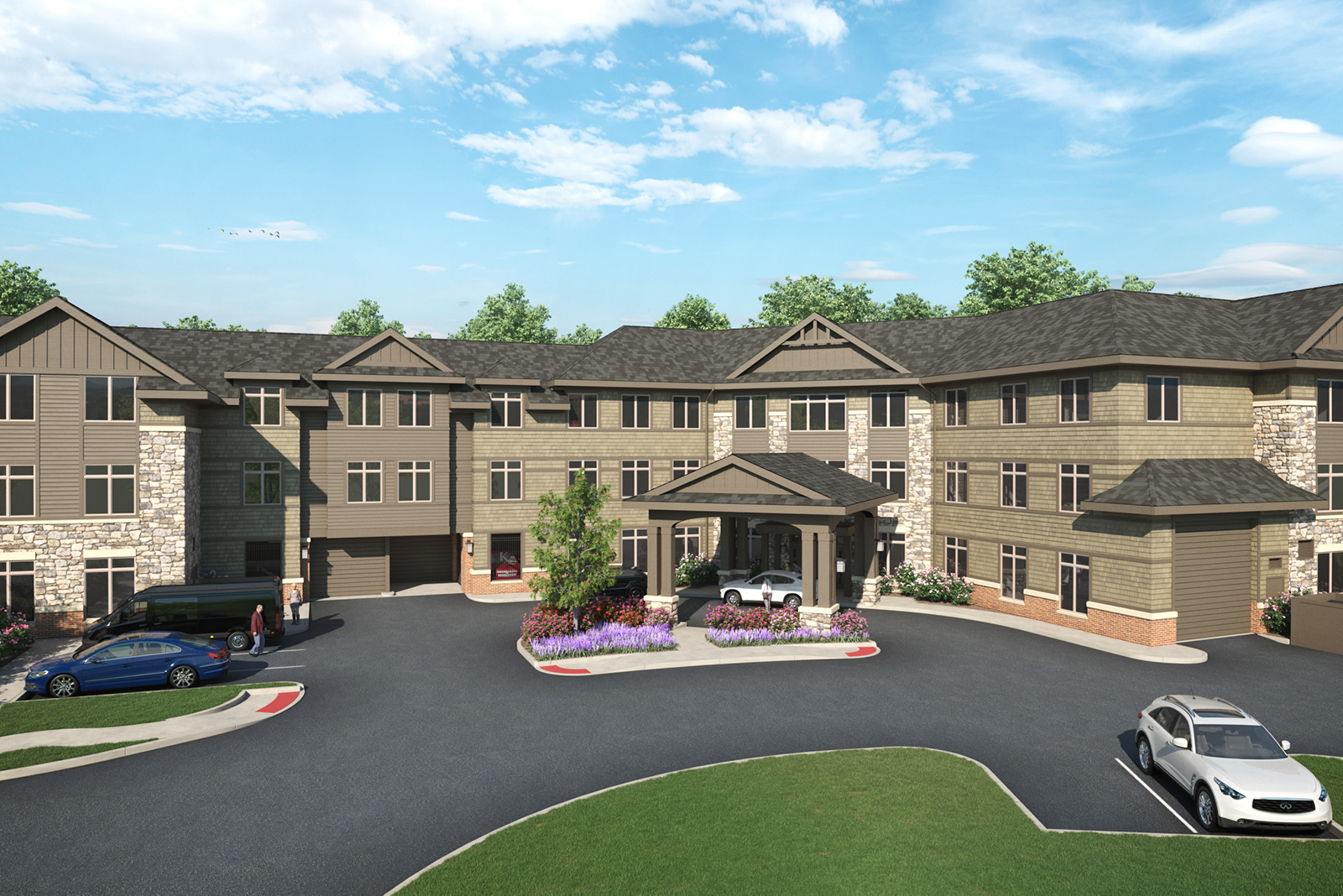
The Kensington Reston, a beautiful assisted living and memory care residence, is well on its way toward completion on Sunrise Valley Drive, adjacent to Reston National Golf Course. We are proud to share we are the third Kensington community to bring uncompromising care and service to metro D.C. area seniors and their families.
When we officially open our doors in early 2021, we will uphold our promise to love and care for your family as we do our own.
In fact, we will deliver more comprehensive assistance than many other traditional assisted living communities can offer. For example, excellent staff-to-resident ratios help deepen connections between caregivers and residents. Pocket programs, which are small-group activities tailored to different interests and abilities, foster friendships and boost a sense of mastery. Two levels of memory care enable us to address the challenges unique to each phase of disease progression. Couples are welcome, even if the care needs of one half of the couple are not the same as the other.
Complimentary meals for family and friends make dining together a real treat. And please note, we are taking great care to comply with all COVID safety regulations.
We are currently conducting our tours in-person and are taking all recommended precautions to protect our guests from COVID. We will gladly make a virtual tour available, if you prefer. No matter what you choose, we’re standing by, eager to listen and ready to help.
Please call us at 571-494-8100 or email us at [email protected] to schedule your tour today.
Visit our website at www.KensingtonReston.com.
In early July of this year, several new laws went into effect that may impact Virginia Department of Motor Vehicles (DMV) customers.
Many of the bills were written and passed in February and March, but they did not become law until July 1. The new legislation deals with specific subsets of the DMV’s customer base, and they will require individual action on the part of the customer if any of the new laws apply to them.
Virginia’s DMV is the government agency that oversees registration and titling for every automobile and other motor vehicle purchased in the state. Today, the DMV manages close to 6 million licensed drivers across the commonwealth. They are the point of contact for anyone with questions or concerns about the new laws.
The new laws have been passed by the General Assembly and signed by Gov. Ralph Northam. While each is different, the recent regulations directly alter the current status quo for a few separate categories of Virginia drivers. The laws include changes to users’ vehicle registration, issuance fees and obtaining specialized license plates.
Vehicle Registration and Issuance Fees
The first of the new laws concerns the expansion of voluntary disability indicators on vehicle registrations. Now, owners who regularly have a person with a communication impairment in their car are authorized to specify this information on their vehicle’s registration. The text mentions autism explicitly by name as a valid communication impairment, but the law will also pertain to those with speech or hearing disorders.
Applying for the new indicator is optional, but it will forewarn officers when approaching a parked vehicle with someone vocally impaired inside. The “Expansion of Voluntary Disability Indicator on Vehicle Registrations” is House Bill 1960, Senate Bill 1470, and Del. Robert Bell and Sen. George Barker introduced the latest legislation.
In addition to vehicle registration, some of the new laws switch focus to what is known as issuance fees. Two new Virginia laws eliminate fees for the issuance of specialized license plates to current and former members of the state’s National Guard. As of now, active and retired members must pay for the plates that display their services. Del. Wendell Walker and Del. Scott Wyatt sponsored House Bills 1796 and 2261, respectively.
Specialized License Plates
The next law lets those who earned special awards or medals in the military purchase specialized plates to commemorate those honors. For those who went beyond the normal call to duty and earned recognition for their heroic deeds, they can visit the DMV to get a license plate celebrating their award. However, they must first show valid proof of their service and the honor they received.
Awards that could appear on license plates include The Medal of Honor, The Bronze Star and The Purple Heart. Furthermore, House Bill 2669 creates a uniform fee structure for the military award plates. It also says that non-remarried spouses of former military service members can obtain a specialized plate if they prove their spouse collected the award in question.
The final bill signed into law also deals with specialized plates. Senate Bill 1229 adjusts the current Ducks Unlimited license plate to a revenue-sharing venture. Sponsored by Sen. Richard Stuart, the Ducks Unlimited annual license fee increased to 25 dollars, and 15 of the 25 dollars will be shifted to Ducks Unlimited, Inc. who will donate the funds to wetland and waterfowl habitat conservation projects scattered across the state.
Other States with Similar Laws
Although these laws are brand new to the commonwealth, similar laws exist in several other states. For example, while not directly through Ducks Unlimited, Delaware sells an American horseshoe crab license plate that donates a portion of its earnings to wildlife foundations in the state, including the Partnership for the Delaware Estuary and the Delaware Center for the Inland Bays.
Like Virginia’s newly available military award plates, Nebraska created its version in January. Service members must register with the Nebraska Veterans’ Registry, but they too can purchase a plate that represents their completion of a campaign in Iraq.
In Illinois, Gov. J.B. Pritzker signed a bill much like Virginia’s House Bills 1796 and 2261. Beginning in 2022, surviving widows of fallen armed forces spouses in the state no longer need to pay issuance fees for Gold Star license plates. After providing proof of their partner’s award, widows and parents of the deceased can obtain the plate without the extra expense.
Virginia’s Other New Laws
Each of the new laws surrounding the DMV was not the only legislation going into effect around that time. On July 1, Northam signed several bills that reshaped many legal ramifications in the commonwealth.
Virginia became the first southern state to abolish the death penalty. At the same time, it became the first southern state to legalize marijuana, as well. On the education front, public schools must always offer some form of in-person education.
“Laws in Virginia are changing,” said John Cooper of Cooper Hurley Injury Lawyers. “It is important to remember and be aware of the state’s new mandates whenever they arise, as they can have an impact on your daily life.”
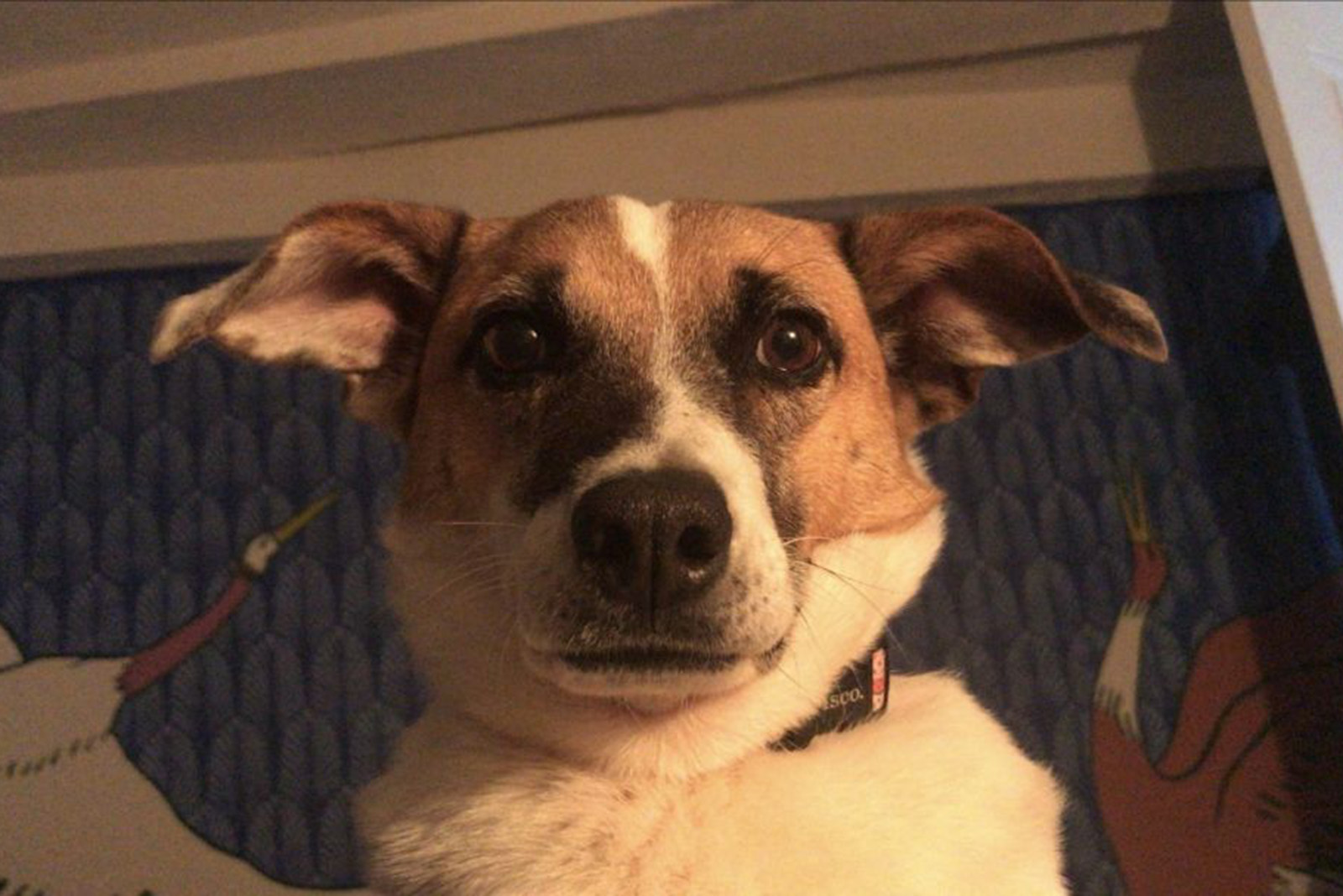
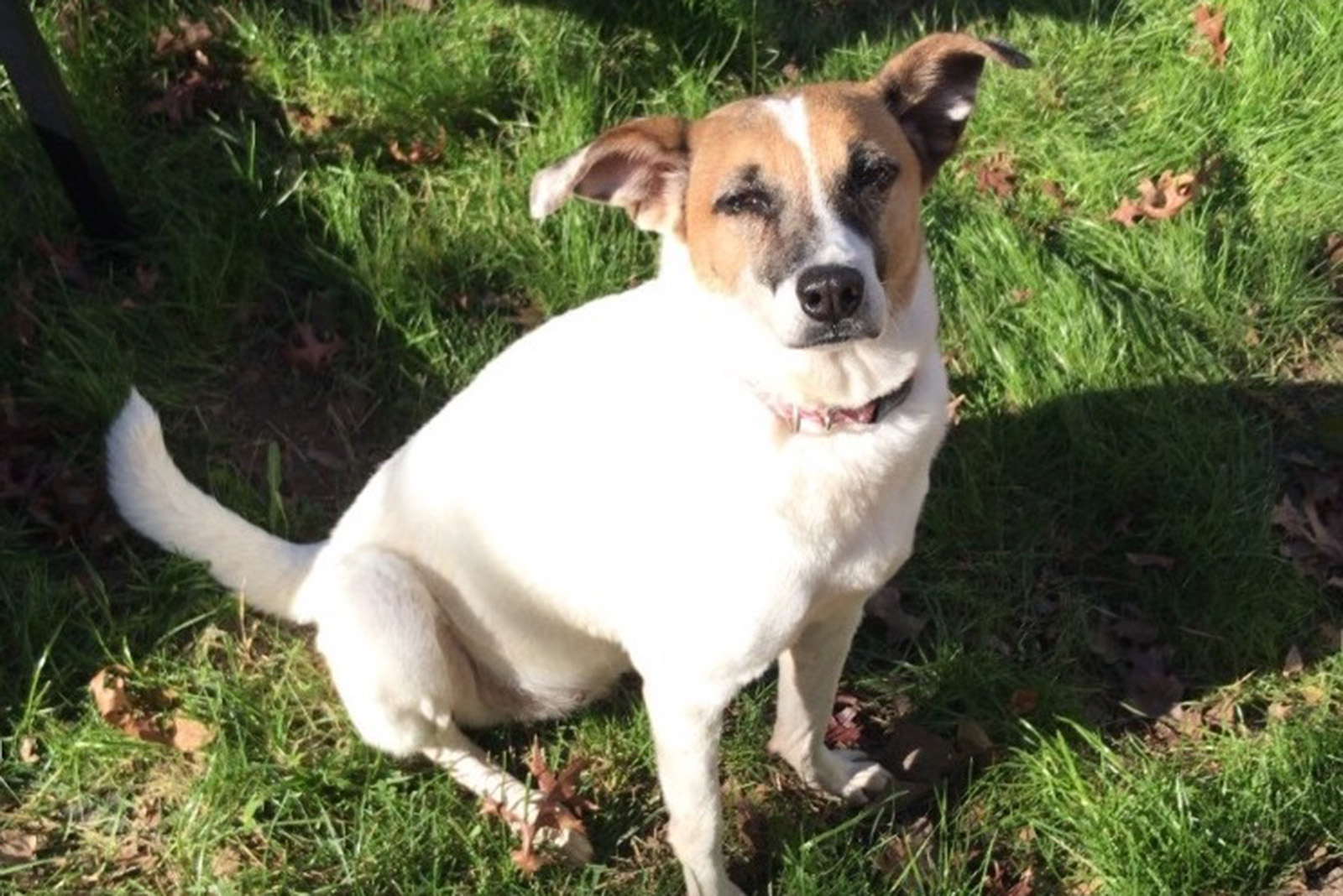
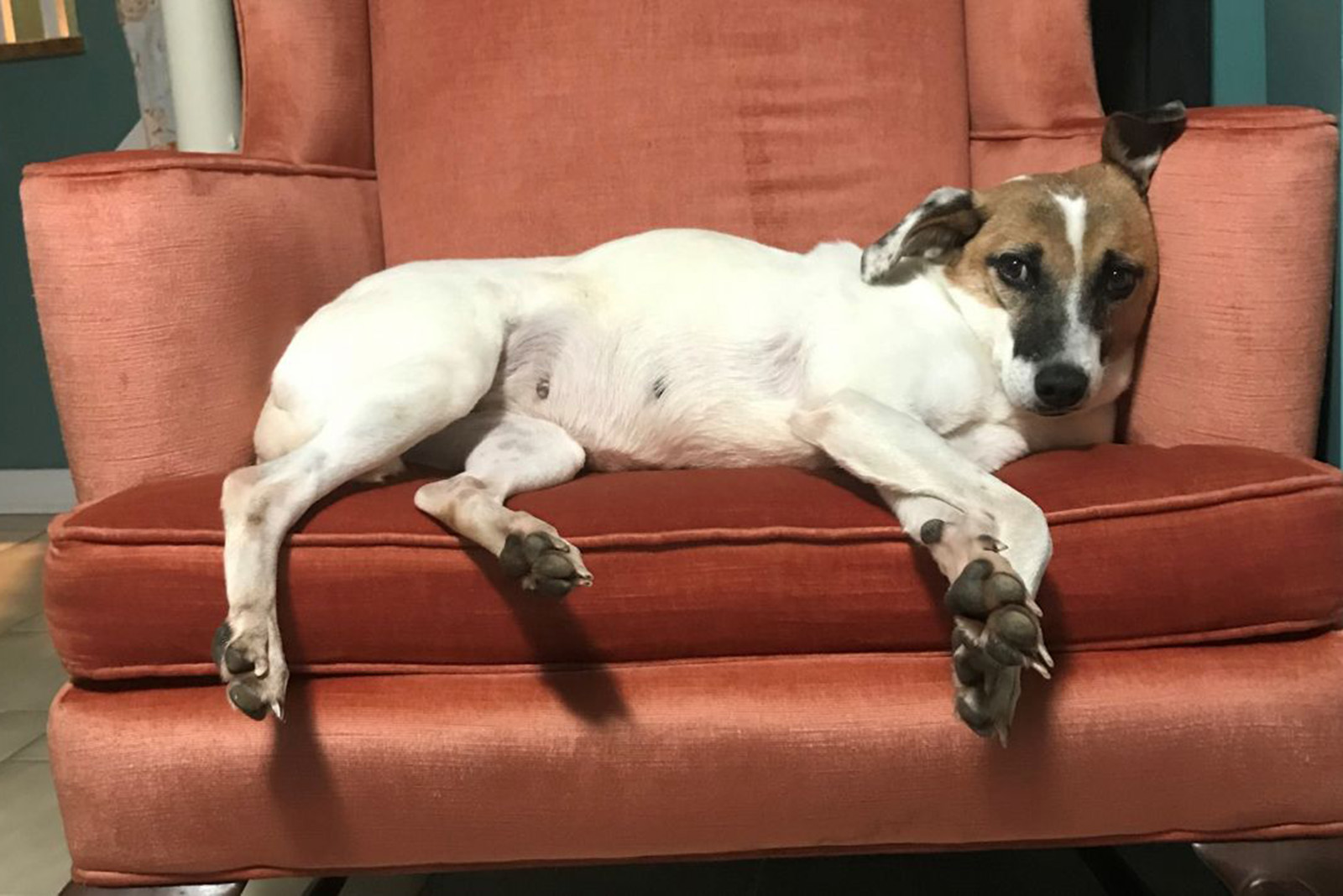
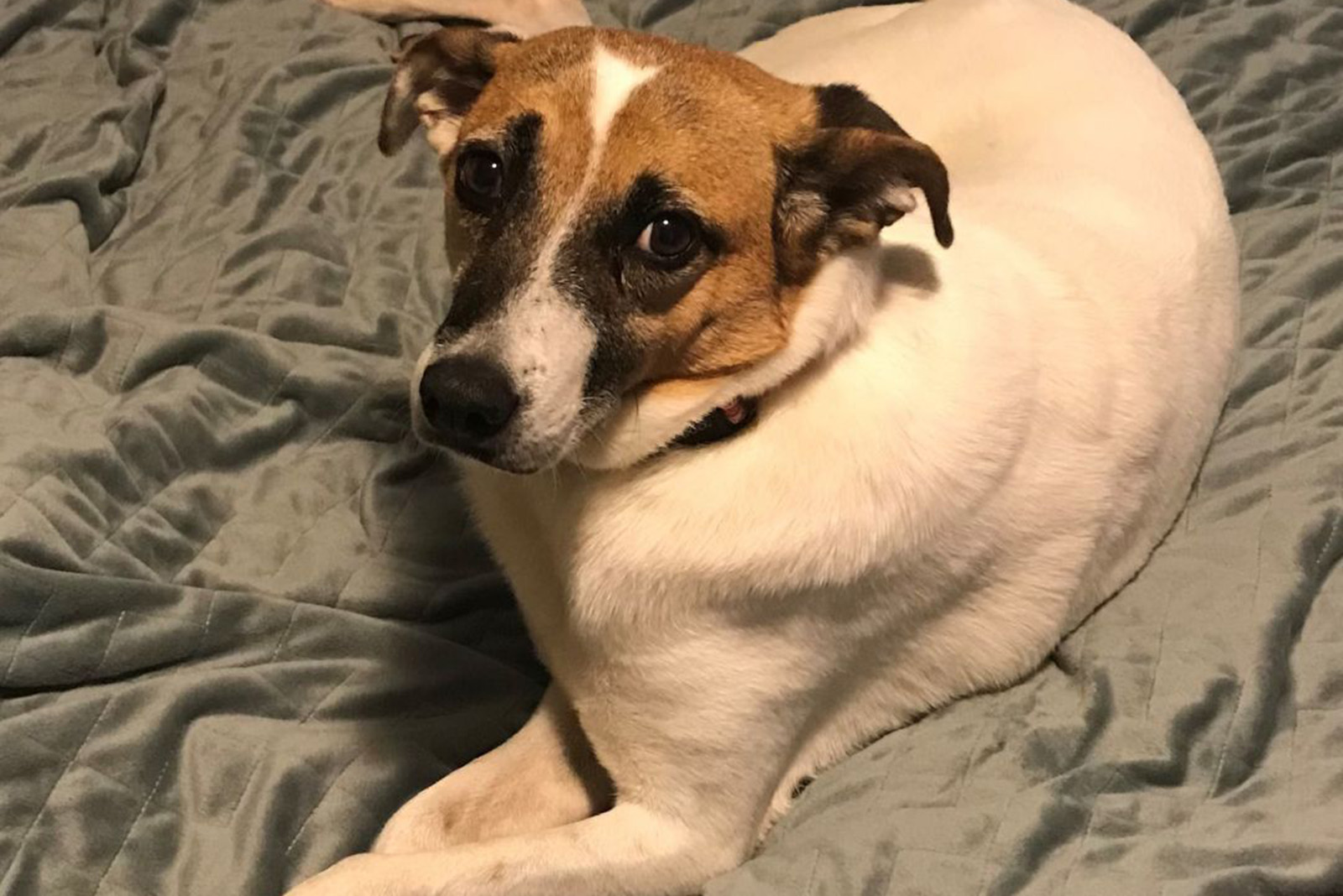
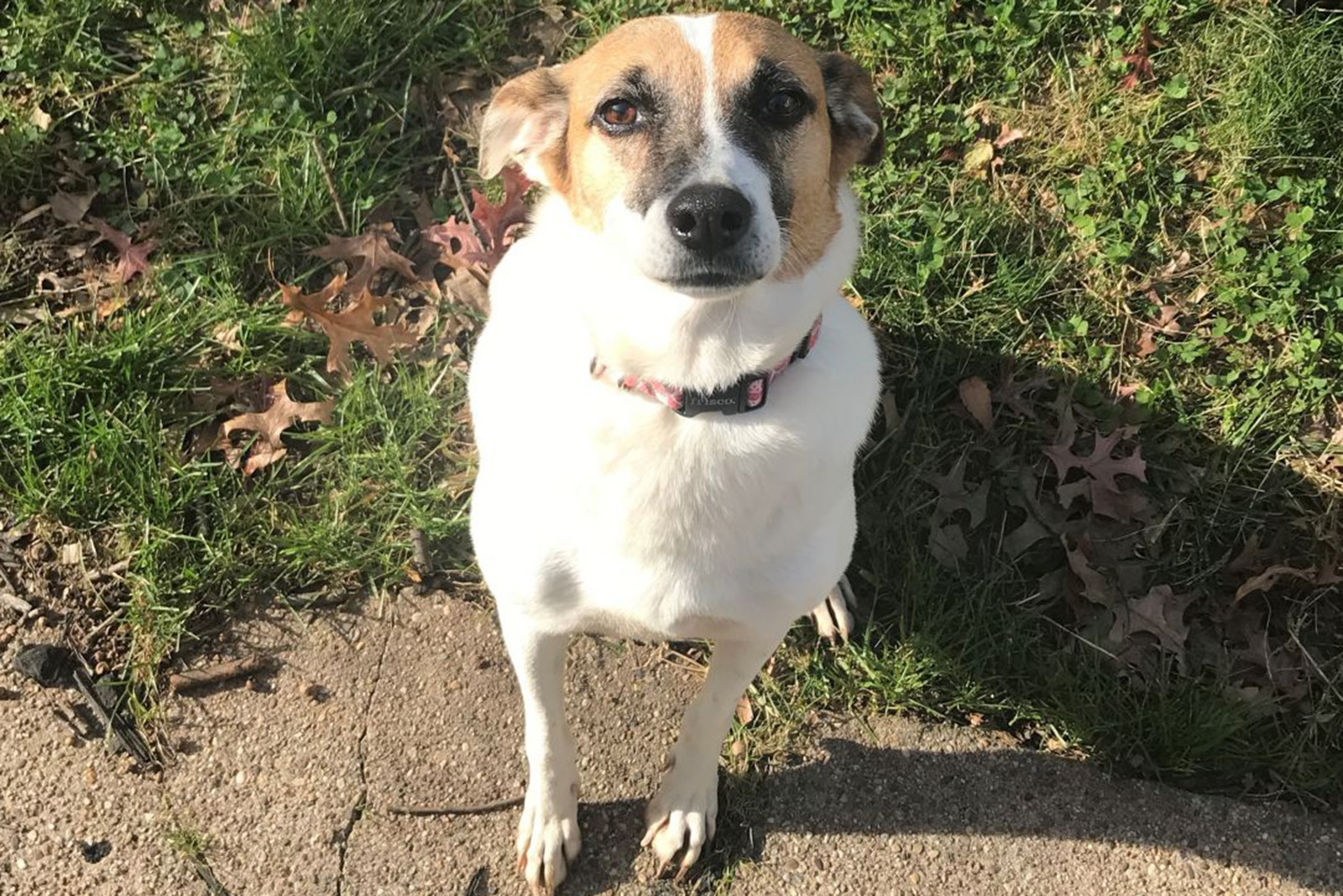
Meet Adorable Anna, a 4-year-old Jack Russell mix available for adoption locally.
Here’s what her friends at Safe Haven Puppy Rescue have to say about her:
This precious 4-year-old weighing in at 22 pounds is just the sweetest girl! We believe her to be part Jack Russell terrier and possibly hound with those beautifully long legs of hers!
She was picked up as a stray so we are not sure of her past, but we know we want her future to be bright. She is a bit shy at first, but once she has a chance to settle in she warms right up. We are looking for a family that has older children and a nice fenced backyard for her to play and run around in. Her foster mom says she is house trained and introducing her to a life where she is loved has been fun — she is getting really good at sleeping on couches and cuddling!
She has been a joy to have with us, but she is ready to go to her forever family — we’re confident she will make his adopters a terrific companion. This beautiful girl is a nice blend of friendly affection and normal puppy playfulness and will bring lots of love to any home.
Are you and Adorable Anna a perfect match?
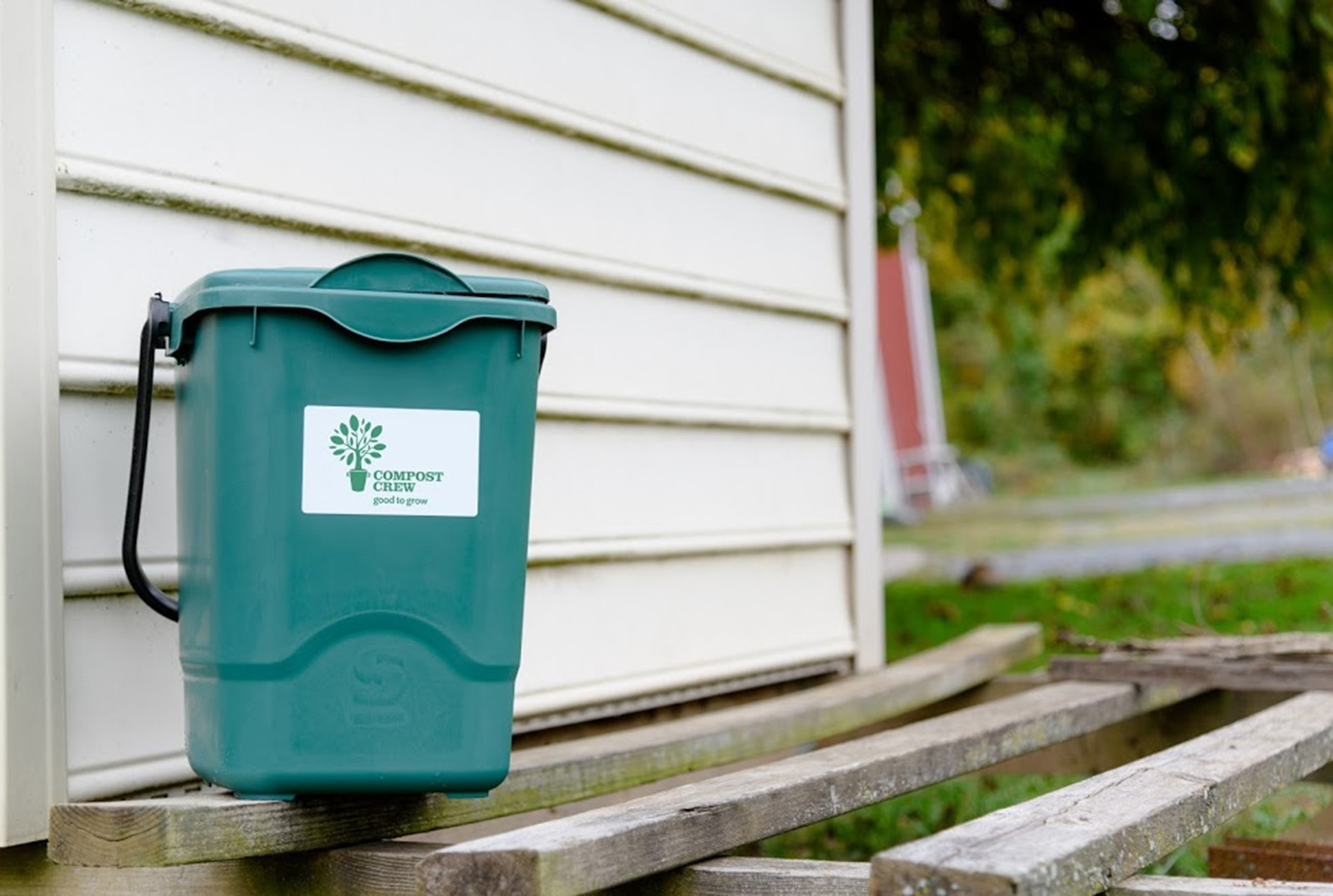
Compost Crew, a local food waste collection company, recently began service for homes in Reston.
The Rockville-based company provides weekly clean and convenient curbside organic waste collection in the area roughly between Herndon and Lake Audubon. Customers separate out their food scraps and leave them out once a week, just like you would with trash or recycling.
Compost Crew serves thousands of homes and businesses in the DMV area, including curbside service for hundreds of Falls Church residents in a program sponsored by the City. Keeping food waste out of the landfill reduces greenhouse gas emissions and creates a beneficial soil amendment called compost, which helps gardeners everywhere grow healthy plants.
Many people find that composting their food waste reduces the amount of trash they generate in their home by 25 to 50 percent. For about $1 per day, you can make a real difference.
Receive lower rates through our Community Program by getting neighbors to sign up with you! Have everyone interested fill out this form, and we will reach out with more information. We will help every step of the way.
To learn more about our service and to get started, head to the Compost Crew website.
After a global shift to working from home, social distancing and self-isolating, the roads seem safer than ever. In reality, many areas have seen a rise in car accidents and other motor vehicle threats compared to pre-pandemic times.
With more people remaining in their homes and limited social outings, the number of cars on the road has decreased since the pandemic began in the spring of 2020. In the United States, the National Highway Traffic Safety Administration (NHTSA) reported the decline during the pandemic’s peak.
Global Improvement of Accident Rates
This trend echoed globally, as most developed countries placed heavy restrictions on social and professional activity. Other countries, including France, experienced a substantial decrease in accidents. Insurance companies granted a massive amount of refunds to insured drivers, noted by Forbes, as accidents decreased by 80 percent in the first three weeks of the pandemic.
Fatalities also decreased in France compared to the previous year along with road usage and congestion.
Not for Those on The Road
The drop in travel likely caused the statistical improvement. Those that continue to drive, regardless of work from home mandates or social restrictions, are still at risk for roadway accidents and other threats. Commercial drivers who have enabled the lockdown have not experienced fewer accidents or vehicle-related deaths while working to transport essential goods.
New Dangers
While the professionals have not changed their driving habits, other drivers have taken on new attitudes getting behind the wheel. “The pandemic has not been easy, and each person responds differently to the challenges,” Robert Marcus says. Responses include stress, distraction and consumption to help cope with the changes accompanying the global pandemic response.
Emotional impacts of the pandemic, especially from work from home, social distancing and self-isolation, have fueled new dangers associated with driving. Increased stress and loneliness not only impact the emotional clarity and attention of drivers, but lead to increased consumption of mood boosting substances. As drug and alcohol use has fluctuated, the number of accidents has followed.
NHTSA reports also show that more drivers involved in crashes or fatal accidents were not following safety precautions. With less driving, more people have been neglecting to fasten their seatbelts, comply with traffic safety regulations, such as speed limits or traffic signs, and driving under the influence of drugs or alcohol.
Pandemic Problem
While this is evident in the U.S., the trend has also risen internationally as fewer drivers routinely get behind the wheel. France experienced this as well, with more drivers failing to abide by speed limit regulations and more fatal accident instances throughout the pandemic.
In addition to emotional changes, a demand for freedom could be the reason for increased accidents. Driving has historically been a vehicle for liberation, facilitating movement and control. These things have been heavily restricted over the past year to combat the coronavirus. Taking on the open road at high speeds and adopting new bicycling and exercise hobbies have created danger for those driving, either by choice or necessity.
The pandemic has changed a lot of practices regarding safety. While roads have become less crowded, people have become more careless, which has led to a rise in fatal car accidents. There are many reasons for this trend, but it is unclear whether it will improve in the near future as vaccines become more available.
This is a sponsored column by attorneys John Berry and Kimberly Berry of Berry & Berry, PLLC, an employment and labor law firm located in Northern Virginia that specializes in federal employee, security clearance, retirement and private sector employee matters.
By John V. Berry, Esq.
Can employers require employees to take the new COVID-19 vaccine?
This issue is likely to come up soon as vaccines for the COVID-19 virus start being deployed. The short answer to this question is likely yes for most employees in the long term. There are exceptions. As a side note, I will be in line to get the vaccine when those at higher risk have first been able to receive their vaccines first.
Religious, Disability and Moral Objections
Whether or not an individual is required to get a COVID-19 vaccine will depend on many factors, including the type of employment that the individual has and whether or not they have health conditions that could be complicated by the COVID-19 vaccine or perhaps run contrary to sincerely held religious beliefs.
Vaccines authorized under the emergency authority of the U.S. Food and Drug Administration (FDA), as the first vaccines will be at the start of the vaccination process, may be more difficult to mandate. I suspect that as the vaccines receive final approval by the FDA, which is a different process, that this could change as well. I don’t know if it will make a significant difference in the next year or two given that there also won’t likely be enough vaccines for everyone that wants one for a number of months. There are also many legal issues in flux and the legality of employers requiring vaccines could be bolstered by Congress.
As an analogy, there are employers that mandate the flu vaccine. The U.S. Occupational Safety and Health Administration (OSHA) has said that employers can legally impose a flu vaccine requirement on their workforce but that employees have the right to request medical or religious exemptions under federal anti-discrimination laws. Similar guidelines are likely to also apply for the COVID-19 vaccine.
EEOC View of Required Vaccinations
The Equal Employment Opportunity Commission’s (EEOC) view of the Civil Rights Act, is that once an employer receives notice that an employee’s sincerely held religious belief, practice, or observance prevents her/him from taking a flu vaccine, the employer must provide a reasonable accommodation unless it would pose an undue hardship.
An ethical or moral objection to taking the vaccine would not likely be enough to get beyond such a requirement. Employers with undue hardships (which can override objections) will likely be seen in some types of positions, like those that require direct contact with customers or where COVID-19 outbreaks have previously occurred. In cases where employers have required flu vaccines, some employers have let employees avoid vaccination but require those employees that refuse to take a vaccine to wear a mask at work.
Eventually, the vaccines probably will be approved under the FDA’s more lengthy rules and will no longer be considered experimental. But even then, requiring a COVID-19 vaccine as a condition for returning to employment could create the potential for many types of problems. We are fairly early in the COVID-19 vaccination process, but there are likely to be more laws protecting employers that require vaccines for employees due to the severity of the pandemic.
For those that object to COVID-19 vaccines, there are also likely numerous lawsuits that will be filed over these issues unless new laws are enacted. The best practice for an employer would likely be to strongly encourage but not force an employee to take a vaccine unless there is no other option.
Contact Us
If you are in need of employment law representation or advice, please contact our office at 703-668-0070 or through our contact page to schedule a consultation. Please also visit and like us on Facebook or Twitter.
The Virginia State Police are cracking down on speeding, and they want citizens to be aware. On Monday, the state police posted numerous photos on Twitter of speeding tickets that they wrote over the 4th of July holiday weekend.
The tickets might shock some people who consider themselves safe drivers. For example, one officer caught someone driving 134 mph in an area where the speed limit was 60 mph. That’s 74 mph over the speed limit and considered reckless driving. Two of the other tickets posted included someone driving 120 mph in a 55 mph zone in Virginia Beach and another person driving 106 mph in a 70 mph zone in Botetourt County.
All of the drivers are scheduled for traffic court appearances in August.
Warning Citizens About Dangerous Driving
The goal in posting the images is to warn drivers across Virginia that Virginia State Police are taking speeding seriously and making them aware of dangerous drivers on the roads where they live.
Unfortunately, the speeds they saw over the holiday weekend were not out of the ordinary. While they did catch a high number of drivers speeding, the state police have noted that troopers stop people going at these types of speeds every day.
The police want drivers to be more aware that speeding can lead to deadly accidents and reiterate that there is no need to speed on their roadways.
Reckless Driving Putting Citizens at Risk
One Virginia state trooper said that a man died on I-664 in Hampton on Friday. He was speeding when he came up behind completely stopped traffic. The man, named Kevin Riddick, swerved his car to avoid hitting others. In the process, he hit a barrier, and his vehicle overturned multiple times, eventually throwing him from the car.
I-564 is another road where state troopers see speeding fairly often. One area of the road, a straightaway, is a common spot. One of the drivers pulled over on the holiday weekend was going 131 mph in this spot, when the speed limit is 55 mph. According to state police, immediately after making that stop, the same trooper stopped another driver going 94 mph.
Reckless driving does more than put dangerous drivers themselves at risk. Others on the road can quickly end up in accidents because of them. One citizen said she almost always sees a car flying past her during her commute.
Virginia State Police Hoping to Keep Roadways Safe
Police hope that posting the images will bring more people’s attention to the importance of slowing down.
“Reckless driving is considered a crime in Virginia, and many drivers do not realize they can be charged with reckless driving when they are speeding,” says Virginia criminal defense attorney Karin Riley Porter of Price Benowitz Accident Injury Lawyers, LLP.
According to Virginia law, driving over 20 miles above the speed limit or over 80 miles per hour can result in being charged with a Class 1 misdemeanor. Keep in mind that this is regardless of the speed limit on any particular road. This kind of offense could warrant fines and even jail time. Often, the punishment will be more severe the faster the driver was going.
To keep Virginia’s roadways safe, state police are keeping close tabs on roads across the state and hoping to encourage drivers to step off the gas and be more careful.
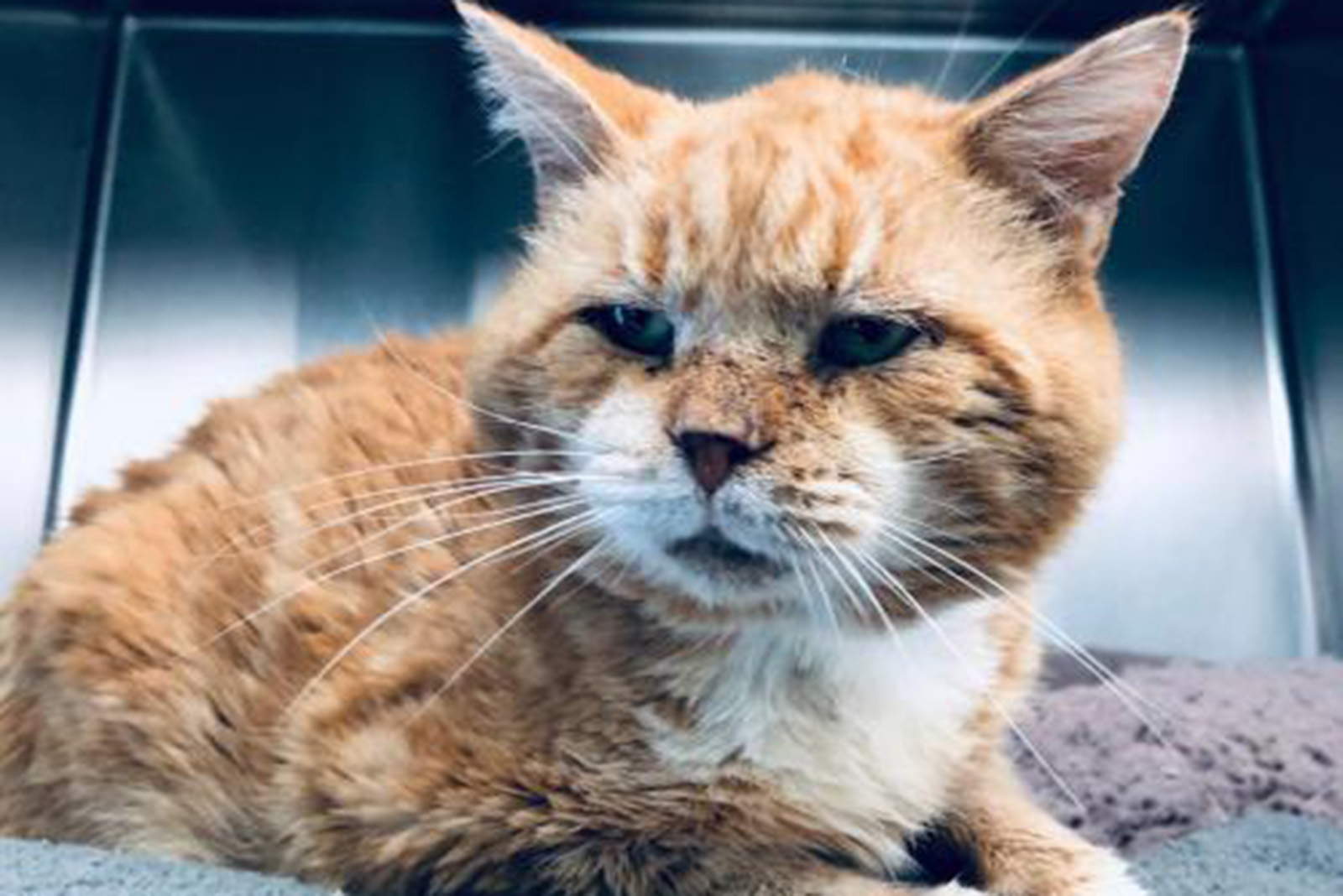
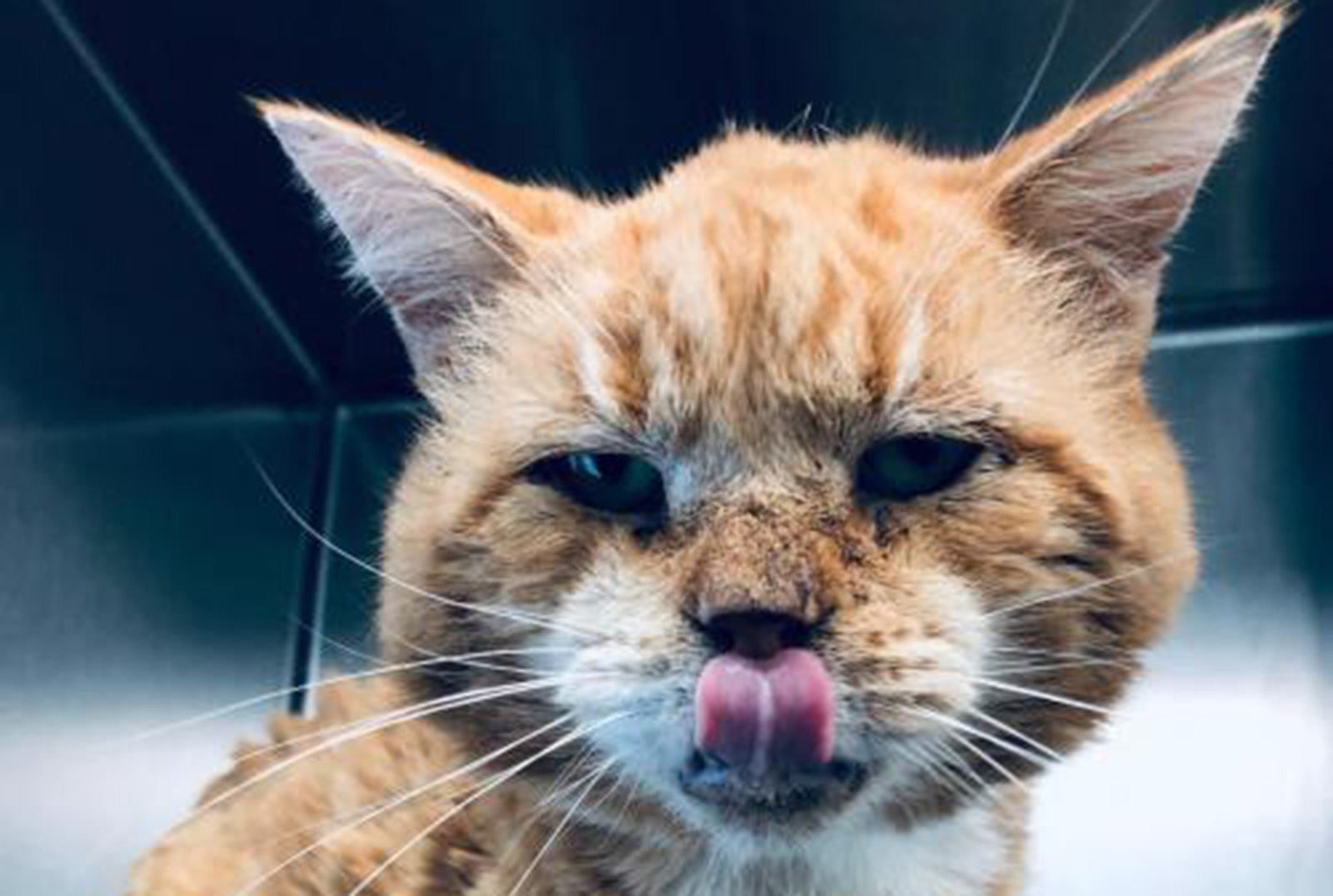
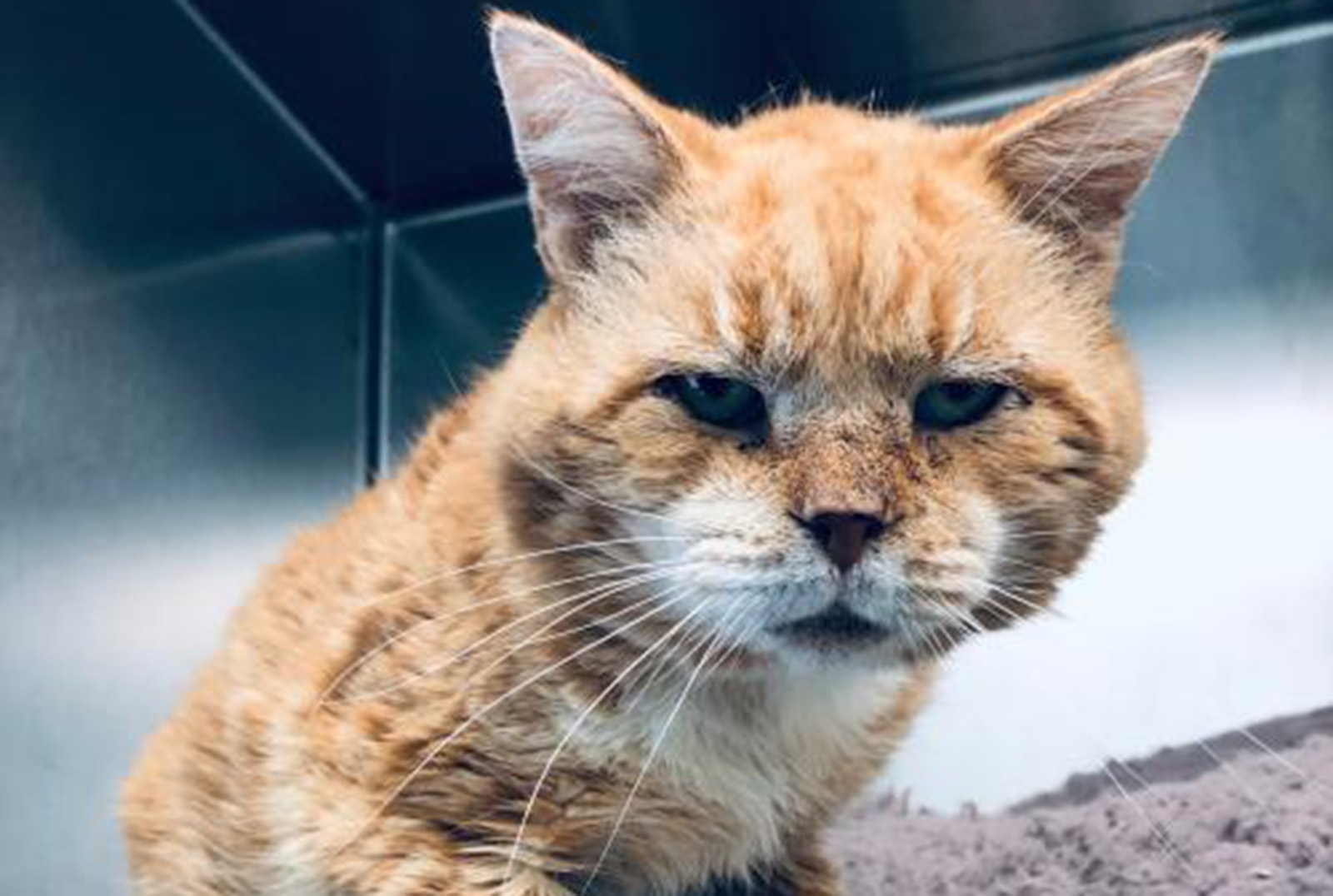
Meet Aslan, an affectionate senior kitty with a resting grumpy face.
Here’s what his friends at Fancy Cats Rescue Team have to say about him:
Aslan is a senior with a sweet heart and a loving purr.
He has a default grumpy face, but don’t let that fool you. He purrs so loud the vet has trouble hearing his heart beat. He will accept pets and head rubs all day long.
He is marked special needs as he is in the beginnings of renal failure, but we are still hoping to find this angel a forever home for his final years with dignity and lots of attention and love. He deserves it!
Are you and Aslan a match?