This op-ed was submitted by Kaelyn Serrao. It does not reflect the opinions of Reston Now. We publish opinion contributions of specific interest to the Reston community. Contributions may be edited for length or content. 

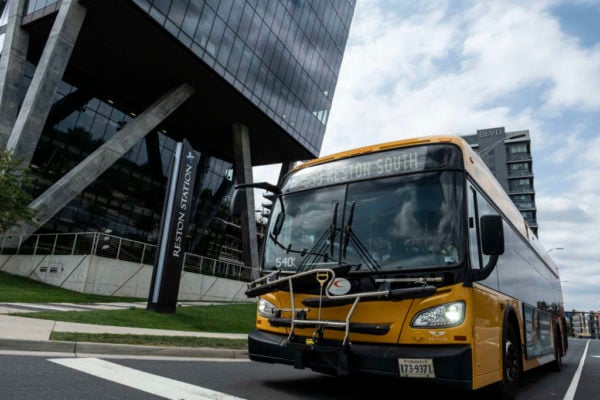
Although they predict that there will be no impacts on service due to these negotiations, there is a possibility it could cause issues for those who are dependent on the transportation line.  People may not feel that this labor dispute is a big deal because it does not affect them directly, but if the negotiation doesn’t go well it could result in problems for a large portion of the community.  


The outcomes of the election on November 5 are not known as I write this column. I will no doubt have much to say about the results in future writings as this election is going to be pivotal for the Commonwealth’s history regardless of who turns out to be the winners. What I was able to observe in the weeks and days leading up to election day was the highest level of people willing to help throughout the state in knocking on doors, making phone calls, writing postcards, and otherwise willing to chip in for their favorite candidates. If the level of activity leading up to election day is any indication, the turnout of voters should have been record-breaking. “When we vote, we win” became the mantra of campaigns hoping to hold onto power or to transfer it to a more progressive legislature. As I traveled around the state, I became aware that while I had focused on state legislative contests there were many local elections that were critical to the future of local boards of supervisors and school boards.

What is known before the first vote was cast is that these elections were the most expensive ever seen in off-year elections in Virginia. When the total expenses of both candidates in many legislative elections are added together, it will not be unusual that the total exceeds a million dollars. For some highly contentious races the totals exceed three million dollars. I have never seen the generosity of individuals to contribute to elections in other parts of the state as great as it was this year. There is a growing recognition that while it is important who your elected official is, there is an equal importance to who holds the majority in the legislative body. You not only work to get your representatives elected, you also need to help the campaigns of those with whom he or she will have to work. Political contributions from out-of-state individuals and organizations poured into the state in record amounts.


Readers of this column no doubt have next Tuesday, November 5, marked as election day on their calendars. You are exceptional. If history holds true, fewer than half of registered voters will vote. Getting people to register is a year-round activity but getting registered voters to actually cast a vote is a crunch-time activity for the last couple of weeks before the election.

Tired of all the robo-calls? Slick postcards in the mailbox? Contentious debate on the news media? Endless social media posts? Much of that activity is directed to reminding people to vote and to gain a competitive advantage, but it oftentimes turns off folks who are cynical about the electoral process or who are confused by it all.


My parents were not political; they tended to always want to avoid controversy. One exception was their support of President Franklin Roosevelt’s New Deal. They were married shortly before the Great Depression and had a really tough go of it in rural Virginia during the depression. They were convinced that it was President Roosevelt’s New Deal that saved the country, and they never let me forget it! Many historians would agree with them.

While the challenges facing our state today are very different from those that the country faced in the 1930s, there are issues that burden many of our citizens and jeopardize our country’s future that demand a plan and a set of actions not unlike those of the New Deal era. Appropriately the response to these needs is called the Green New Deal. (www.greennewdealva.com)


What are your top three goals over the next year?

The goals that I have in this role over the next three years will be principally guided by the strategic plan that was recently adopted by our Board of Directors.  This plan represents the culmination of a strategic process that was conducted by special committee of board members earlier this year. The plan consists of three overarching pillars.


Women first came to the English colony at Jamestown Island in 1619–400 years ago, and hence their arrival is part of the American Evolution 1619-2019 commemoration going on throughout the Commonwealth. As with the other events that marked the historic significance of this year and that I have written about in this column, the real meaning of the events comes about in examining the decades and centuries that followed from 1619. There is no surprise that the land developers who were making investments in the new colony would advertise free voyage to women to come to this new land of potential opportunity and freedom from poverty and oppression they may have felt at home. If the colony was to have success in developing economic opportunities and stability that families would bring, it needed women to come and find themselves adventure…and a husband.

English women who came were not slaves although they no doubt had to work hard to start a life and a home in the wilderness. If they came with an indenture to pay off their voyage fare, they could work off their obligation over a number of years. But just like in the society they left, even with the indenture paid off, women were not free or in the same category as men. When Thomas Jefferson wrote the Declaration of Independence nearly a century and a half later, he proclaimed that “all men are created equal.” We speculate that if he were writing a document today that he would say “all persons,” but his writing at the time reflected women’s lesser role in society. The story of women’s rights continues to evolve even until today.


Four hundred years ago is a long time, but what happened four centuries ago has implications for us today. Virginia is in the midst of a year-long series of programs and experiences based on events that happened a dozen years after the first permanent English colony was settled at Jamestown in 1607. All the activities taken together are referred to as American Evolution 1619-2019. There are many events scheduled for the remainder of this year.

The planners of the commemoration are to be commended for recognizing that while the historic events that occurred are noteworthy and interesting, the real lessons to be learned come after the actual dates of historic events as we discuss and consider their resulting impact. Many references are made to America’s beginning as being 1776, but it can be argued that the beginning of America as a representative democracy began in the Virginia colony with the meeting of the first representative body meeting in Jamestown in 1619. Remembering that date in 1619 should cause us to reflect on all that has happened after that date that led us to the society and government we have evolved into today.


View More Stories