

Celebrating Many Cultures — Thousands flocked to Lake Anne Plaza Saturday for the annual Reston Multicultural Festival on Saturday. Modern Reston captured all the action in some great photos. [Modern Reston]
Reston’s Transit Neighborhoods — Several development representatives were on hand for the Reston Historic Trust’s panel discussion on the future of the Reston Station area. Couldn’t make it in person? The whole thing is on video for you to enjoy. [You Tube]
Park Authority Wants Your Thoughts — What amenities are lacking in the Fairfax County park system? The Park Authority is conducting a need assessment over the next 18 months. It will offer the opportunity for you to give feedback in person, online and in small group meetings. [Fairfax County Park Authority]
Supervisors Seek to Serve Aging Population — The Fairfax County Board of Supervisors has outlined plans to better serve the county’s 50-and-over population. The supervisors say the number of residents over 70 will increase by 88 percent by 2030. [Fairfax Times]
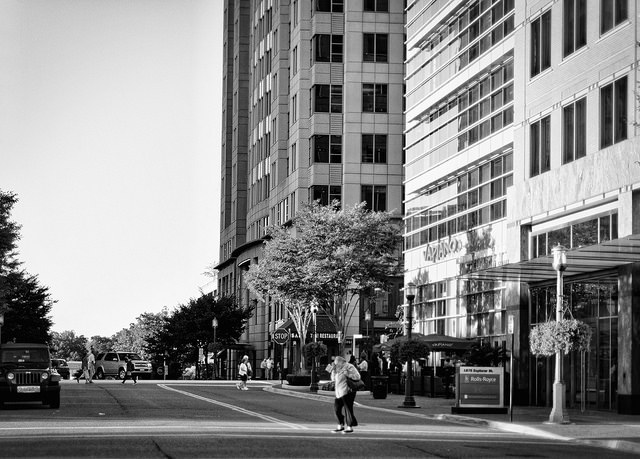
Photo of Reston Town Center by Brendan Ross via Flickr
 The Fairfax County Board of Supervisors is back from its summer recess. For one of its first tasks in September, the board will hold a public hearing on Tuesday on how to spend $11 million left over from Fiscal Year 2014, which ended in June.
County Supervisor Chair Sharon Bulova calls the carryover a “relatively modest” balance when considering the county’s $3.7 billion budget.
The carryover is “mostly the result of savings efficiencies,” Bulova said in a county video previewing the Sept. 9 supervisors’ meeting.
Some of the Reston-area projects that came out spending less than usual: Plaza America pedestrian improvements ($99,000) and the new Reston District Police Station ($800,000). To see an itemized list of projects, their costs/savings and the entire carryover presentation, visit Fairfax County’s website.
“We are still not out of the woods yet,” said Bulova. “Both the county and the state are affected by sequestration and federal cutbacks, which has impacted our public sector. Fairfax County Public Schools also have a positive balance of $23 million after absorbing the cost of all-day Mondays for the elementary schools.”
The school board voted last spring to eliminate elementary schools’ early release Mondays, which had been the schedule for decades. This allows for additional class time and built-in instructional time to absorb snow days, but also will cost the school system millions in extra costs. There has been internal criticism that the board acted without having the financial impact analyzed.
Bulova said the supervisors plan to make a transfer of $7.6 million to schools as “guidance for FY2016 in order to accommodate the recurring cost of the program.”
Overall, most of the money is likely to remain in reserves in order to pay for items in FY2016, which begins in July 2015, says Bulova.
“I plan to recommend that the balance of the 2014 budget be held in reserve in order to assist with the upcoming fiscal year,” Bulova said.
File photo of Fairfax County Supervisor Chair Sharon Bulova
 Development projects in Reston are in a bit of a lull right now as both the Fairfax County Board of Supervisors and the Fairfax County Planning Commission are off until September.
However, many of them have upcoming hearings and other important dates coming soon.
Here is a rundown of what to expect.
Lake Anne/Crescent Apartments
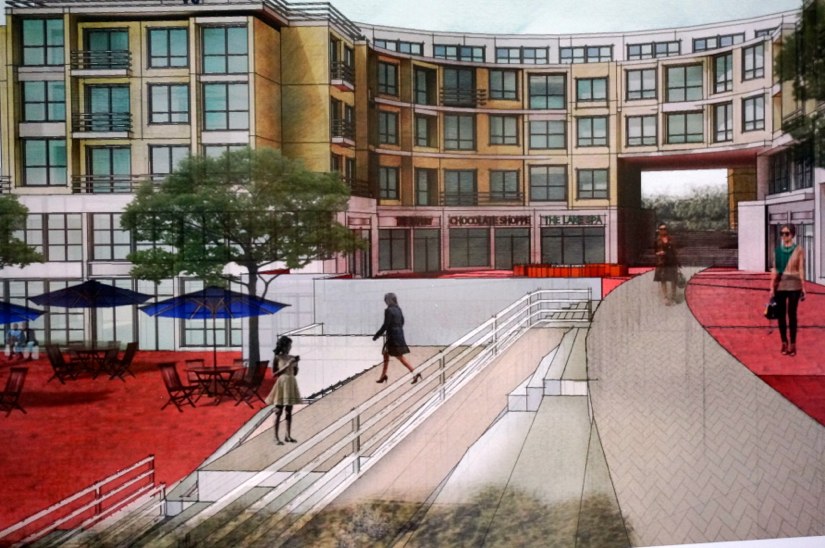
The revitalization plan for Crescent Apartments and the surrounding area near Lake Anne Plaza has been in the works for nearly a year. Lake Anne Development Partners were chosen by the county in summer 2013 to transform the county-owned affordable housing development.
LADP plans include replacing the aging 181-unit Crescent Apartments with slightly more affordable housing, as well as mix of townhomes and multifamily dwellings. In all, about 1,000 new residential units are planned, as well as a new retail plaza, new access points to historic Lake Anne Plaza and more than 130,000 square feet of new retail and office space.
Plans also call for housing for seniors and a boutique grocery store.
LADP’s plans will go before the Planning Commission in a public hearing Nov. 5. If the planning commission recommends approval, the plan will go to the Board of Supervisors Nov. 18. Both of those dates are subject to change.
LADP CEO David Peter says he hopes to begin construction in 2015. The revitalization is expected to be a multiyear process.
Meanwhile, LADP has reached an agreement on a land swap with Reston Association. By obtaining a one-acre plot near Lake Anne Village Center, LADP can now proceed with plans to build a 120-space parking garage.
Lake Anne Fellowship House
Novus Residences has filed with Fairfax County Proffered Condition Amendment, Development Plan Amendment and a Planned Residential Community application in order to build on the site of Lake Anne Fellowship House at 11448 and 11450 North Shore Dr.
Plans for the six-acre site include building up to 425 dwelling units that will include a building with 140 independent living affordable units and a second building with 285 market rate multi-family dwelling units.
Current residents of Fellowship House, a residence for low-income seniors that is badly in need of renovation, will be moved to the new building.
A Planning Commission date is scheduled for Sept. 17, 2014 at 8:15 p.m., with a Board of Supervisors public hearing scheduled for Oct. 7. Those dates are also subject to change.
Art Studio on Concord Point
The planning commission will hear a special exemption request from Mary Beth Swicord, owner of First Marks Art Studio.
Swicord has been operating the art studio from her home at 1398 Concord Point Lane for many years. Previously, the enrollment was eight students at a time. Swicord wants to increase enrollment to 18 students on Mondays and 12 from Tuesdays through Fridays from 4 to 8 p.m., and the county requires a special exemption to do that.
She is also proposing a Summer Camp, Monday – Friday from 8:30 a.m. – 5:00 p.m. daily, with an enrollment of 12 students.The Planning Commission public hearing is tentatively scheduled for Thursday, Oct. 9.
JBG/Reston Executive Center
Developer JBG previously filed a special exception to allow for the building 65,000 square feet of development to include retail sales, eating establishment, fast food restaurant and quick service food stores in the 12000 block of Sunset Hills Road
The plan calls for converting 27,850 square feet of existing office use and constructing 37,150 square feet of building additions to the existing office buildings.
The planning commission public hearing has been indefinitely deferred.
Graphic: Artist’s rendering of improved Lake Anne Plaza/file photo
 Feel free to plan that big summer party: the Fairfax County Board of Supervisors on Tuesday scrapped plans for proposed new zoning rules on group assembly in private homes.
Earlier this year, the supervisors sought feedback from the public on new language in the zoning ordinance. The zoning ordinance would have banned large gatherings — more than 49 people — in private residences more than three times in a 40-day period.
The board said on Tuesday there was not enough public support to move forward with the proposal. The county held three public hearings on the subject and read 200 submitted comments. As a result, the proposal was removed from the 2014 Zoning Ordinance Work Program that the board approved at its Tuesday meeting.
The supervisors began considering the proposal in February, saying that “over the last several years, there have been complaints from residents regarding frequent and large gatherings at neighborhood homes. These gatherings can create parking, noise, and other concerns for the neighborhood.”
More from the county:
Although occasional, large gatherings – such as private parties, house concerts, religious meetings and social clubs – are expected and permissible activities at a home, gatherings that occur on a regular basis involving numerous people can detract from the residential nature of a neighborhood because most residential structures and neighborhoods are not designed to accommodate such events.
Accordingly, it is recommended that language be added to the Zoning Ordinance to define what is a permissible “group assembly,” and when associated with a residence, when such a group assembly is an appropriate “accessory use.” Currently, the Zoning Ordinance does not identify guidelines for the frequency or scale at which group assembly is considered to be a permitted accessory use to a dwelling.
Without such specificity, managing and addressing impacts of these large, frequent gatherings becomes problematic, and the County is limited in its ability to respond to neighborhood concerns.
The proposal was criticized by many local residents, including this Reston Now reader:
“What a ridiculous proposal. I can have groups of 49 but that 50th person is “over the top? Every 41 days is OK but 40 is too much? Do children count? How are the police going to enforce, will the residents need to hand out numbered tickets to all their party guests or maintain a guest list so that when the cops come knocking we can show them we are in compliance?”
“Will this be 49 total for the day or at any one time? Don’t our local representatives have something better to do (like implement a meals tax or raise my property taxes)?”
 The Fairfax County Board of Supervisors on Tuesday authorized a $100 million transportation bond referendum for this fall.
This means the county can petition the Circuit Court to order the referendum. It will be on the Nov. 4 general election ballot if so ordered. Fairfax County voters will be asked to vote “yes” or “no” on the proposed bond that will improve roads, sidewalks, bike lanes, and trails.
If approved by voters, the money will be spent as follows:
- Spot road improvements to increase roadway capacity, reduce congestion, improve safety, and improve transit access ($16 million)
- Pedestrian improvements to improve capacity, enhance safety and complete missing pedestrian links that connect neighborhoods, and improve access to schools, Metrorail stations and activity centers ($77.5 million)
- Bicycle improvements that include developing new bicycle facilities, constructing trails, adding bicycle parking and enhancing accessibility ($6.5 million)
Several Reston projects are high on the priority list for the county, but funding has not yet been secured. Those include:
- Dulles Toll Road /South Lakes Drive Overpass — $82 million. Construct a four-lane overpass over Toll Road from Sunrise Valley to Sunset Hills. Identified ed in Reston Comprehensive Plan Draft as significant way to alleviate traffic. Contingent on development.
- Dulles Toll Road/Town Center Parkway Underpass — $157 million. $6.1 million already in place as part of Silver Line Phase 2 funding. Construct four-lane divided roadway under Town Center Parkway from Sunrise Valley to Sunset Hills. Identified in Comprehensive Plan amendment as significant way to alleviate traffic. Contingent on development.
- Dulles Toll Road/Soapstone Overpass — $91.75 million. Construct a four-lane roadway over toll road from Sunrise Valley to Sunset Hills. Includes pedestrian and bike access. Identified in Comprehensive Master Plan Draft as major way to alleviate traffic.
The $100 million bond is one of many funding sources that will be used to pay for more than $1.4 billion in transportation priorities during the next six years, the county officials say. Due to the flexibility of bond funds, projects like spot roadway, pedestrian and bicycle projects can be funded and implemented efficiently and expeditiously, said Fairfax County Supervisors Chair Sharon Bulova. The projects proposed for bond funding were identified through extensive public outreach and engagement in the Countywide Dialogue on Transportation.
The county has the highest credit rating possible for any government: triple-A from Moody’s Investors Service Inc.; from Standard & Poor’s Corp.; and from Fitch Ratings. Currently, Fairfax County is one of only eight states, 37 counties, and 32 cities to hold a triple-A rating from all three rating agencies. For this reason, Fairfax County’s bonds sell at relatively low interest rates compared to other tax-free bonds, a county spokesman said.
The Fairfax County Board of Supervisors will vote Tuesday to endorse the hybrid alternative for the Soapstone crossing to connect Sunset Hills Road and Sunrise Valley Drive.
The Supervisors’ endorsement would enable the crossing to go into the preliminary design phase, getting Reston one step closer to an additional way to cross the Dulles Toll Road and alleviate traffic.
In February, Fairfax County Transportation Department staff and the County Executive recommended that the Board of Supervisors endorse the Recommended (Hybrid) Alternative. That alternative is a combination of several alternatives for the crossing presented to citizens in 2013.
The Soapstone extension will create a direct connection between Sunrise Valley Drive, Soapstone Drive and Sunset Hills Road; reduce traffic on Wiehle Avenue; increase connectivity across the Dulles Toll Road; and enhance access to Wiehle-Reston East Metro Station, county officials said.
Without major road improvements — including several more toll road crossings — traffic could be a disaster, development-watchers say.
Transportation staff developed four options in a report in February of 2013. The hybrid combines two of them: a direct extension of Soapstone that crosses slightly northwest and ends at a new intersection at Sunset Hills.
The plan would impact several properties on both side of the toll road, including Solus and Musica on the north side and the National Association of Secondary School Principals on the south.
Additionally, there would be a four-way intersection with traffic signal at Sunrise Valley, as well as another four-way intersection with no signal, or perhaps a traffic roundabout, on the Sunset Hills side, planners said.
Earlier this year, the Board of Supervisors included $2.5 million for the preliminary design of this project as part of its Six Year Transportation Project Priorities. Funding is currently programmed for fiscal year 2015 in Fund 40010, County and Regional Transportation Projects, the county says.
A Soapstone crossing (at a cost of $91.75 million) has already been identified on the county’s list of high-priority projects for 2015-20.
An exact price tag won’t be known until the connector is farther in the planning process. An environmental impact study will also be forthcoming.
To see graphics and other details of the hybrid alternative, see this Fairfax County proposal.
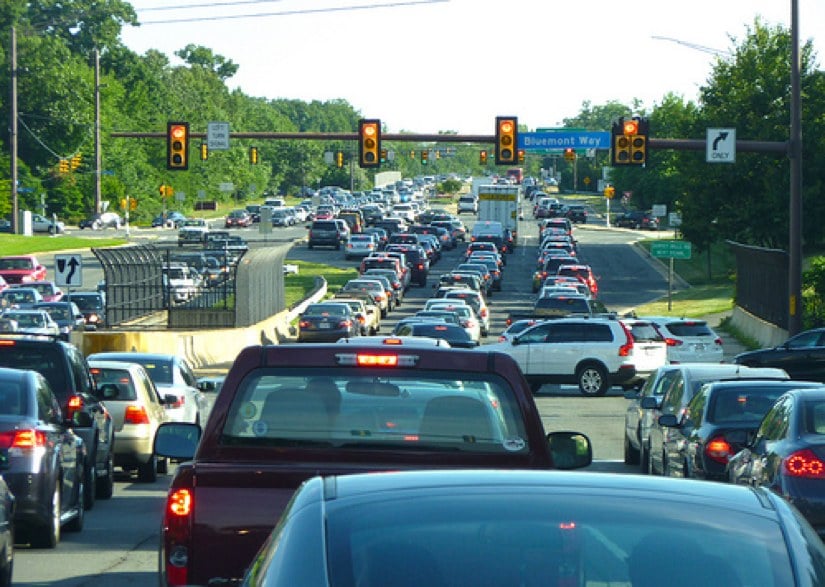
Photo: Reston traffic/Credit: Reston 2020
 The average Fairfax County homeowner will pay more than $300 more in taxes next year after the Fairfax County Board of Supervisors formally adopted the Fiscal Year 2015 budget on Tuesday.
The budget includes a real estate tax rate of $1.090 per $100 of assessed value, a half-cent increase from the FY 2014 $1.085 rate.
The $3.72 billion General Fund budget is an increase of 3.62 percent over the FY 2014 Adopted Budget Plan. The total of all appropriated funds is $6.97 billion, which includes the general fund as well as other appropriated funds such as grants, and solid waste and sewer funds, county supervisors said.
The increase in the real estate tax rate was voted on by the supervisors last week. The vote passed 7-3. Supervisors Pat Herrity (Springfield) , Linda Smyth (Providence), and John Cook (Braddock) voted against the rate. Yesterday’s budget vote was also 7-3, with the same supervisors voting no.
County Supervisor Sharon Bulova said the increase was necessary as Fairfax County, like many places in the country, continues to recover from the recession.
The increase will provide an additional $10.9 million for the county and will mean an additional $25 annually in average tax, she said. However, rising assessment values also mean homeowners will pay about $330 more annually as well.
“In total, along with the FY 2015 increased based on equalization, the average annual tax bill for county homeowners increases by approximately $357,” said Bulova.
“Our nation, region, and county continue to struggle during these sluggish post-recession years. The good news this year is that real estate values are beginning to rebound. The bad news is that only residential values are rising; business taxes are flat and commercial assessments are a decrease from Fiscal Year 2014.”
The additional tax revenue ($10.9 million) combined with $6 million in savings achieved on the general county side of the budget will be used to increase the transfer to Fairfax County Public Schools by $17 million (3 percent), the supervisors said.
The school board had requested a 5.7 percent increase (to $98 million) in February. It will get $51 million from the county. Superintendent Karen Garza has said there may be staffing cuts and other cost-cutting measures.
The county will be able to increase compensation for employees and offer step raises to public safety officers without drawing on reserves and creating a further imbalance. However, the budget reduces funding for some public services and the public libraries.
Fairfax County Supervisor Sharon Bulova has established a tax force to examine whether a county meals tax could be a reliable source of revenue.
If adopted at the same approximate rate as cities and towns in Northern Virginia, the rate would be 4 percent of the cost of a restaurant meal and would result in revenue of approximately $88 million, Bulova said.
“There has been a growing sentiment during recent years for our board to once again allow the voters to decide whether or not they wish to avail themselves of this additional source of revenue,” Bulova said in a statement. “Reasons for urging this include the desire to diversify the revenues we have available to fund schools, public safety, parks, libraries and human services.”
The task force will be led by former Board of Supervisors chairs Tom Davis and Kate Hanley, who will report back to Bulova by June 17. It will be made up of members of two dozen county organizations, including Republican and Democratic parties, the county Chamber of Commerce, the Restaurant Association of Metropolitan Washington, Visit Fairfax, the Fairfax County Taxpayers Alliance and the Fairfax Education Association.
The task force will be asked not only to recommend, or reject, a meals tax referendum, but also to suggest what year the question should be asked and how the resulting revenues should be used
The mission of the task force will be to recommend to the Board of Supervisors whether or not to proceed with a referendum for a meals tax; if it is the recommendation of the group to do so, the task force should recommend the timing (what year?) for the question to be put to voters; and the task force should return with a recommendation for how revenue from a meals tax should be used.
In Virginia, towns and cities are permitted to have a meals tax subject to a vote by the governing body. In Northern Virginia, all of the cities and towns around and within Fairfax County have adopted a meals tax. Counties may establish a meals tax only if a referendum is approved by the voters.
The last time the question was put to Fairfax County voters was 1992. It failed.
On Tuesday, the Supervisors approved a half-cent increase per $100 in the real estate tax. That will result in an additional $10.9 million annually for the county.
Photo: Supervisor Sharon Bulova/File photo
 The Fairfax County Board of Supervisors Tuesday voted to increase the real estate tax rate to $1.09 per $100 of assessed value, the biggest hike since 2007.
The vote passed 7-3 for the increase in Fiscal Year 2015. The rate was $1.085 in FY 2014.
Supervisors Pat Herrity (Springfield) , Linda Smyth (Providence), and John Cook (Braddock) voted against the rate. Formal adoption of the budget is scheduled for April 29.
Bulova said the increase was necessary as Fairfax County, like many places in the country, continues to recover from the recession.
The increase will provide an additional $10.9 million for the county and will mean an additional $25 annually in average tax, she said.
“In total, along with the FY 2015 increased based on equalization, the average annual tax bill for County homeowners increases by approximately $357,” said Bulova. “Our nation, region, and County continue to struggle during these sluggish post-recession years. The good news this year is that real estate values are beginning to rebound. The bad news is that only residential values are rising; business taxes are flat and commercial assessments are a decrease from Fiscal Year 2014.”
Earlier this year, the Supervisors authorized the advertisement of a real estate tax rate for FY 2015 of $1.105 per $100 of assessed value. While the proposed increase is now a bit lower than the $1.105, homeowners will still be paying more as higher home values also have had an effect on homeowners.
Bulova pointed out some of the highlights of the Supervisors’ mark-up session:
- The increase in the tax rate from $1.085 to $1.090 is a relatively modest ½ cent. The increase represents a $25 annual increase in the average residential taxpayer’s bill. This would be on top of a $330 average increase resulting from rising assessment values.
- This additional tax revenue ($10.9 million) combined with $6 million in savings achieved on the General County side of the budget is used to increase the School Transfer by $17 million, from 2 percent in the Advertised Budget to 3 percent. With this added percent, the total increase in the School Transfer will be $51 million. An expected increase in state funding of approximately $30 million will help to fund additional School requirements.
- An additional $10.5 million in savings/reductions are taken from the General County side of the Advertised Budget and reallocated to increase compensation for employees. In this package the advertised Market Rate Adjustment of 1.29% is combined with an additional 1%.
- Step increases for Public Safety employees will resume for those who are eligible.
- This package is not balanced by drawing down one-time reserves, thus avoiding the creation of a structural imbalance that would make it more difficult to meet our fiscal needs in future years.
Herrity, who proposed a one-cent decrease along with budget cutting, is not convinced.
“This budget is an over 14 percent tax hike for our homeowners over the last three years, more than 7.25 percent in this year alone [including the storm water tax increase],” he said in a statement. “Many, including those that can least afford it, will see a much greater increase. I think this sends the wrong message to taxpayers in the year of the $30 million bank bailout and reduced tax rates in surrounding jurisdictions.”
Herrity said the increase bucks the trend of surrounding jurisdictions that have been reducing their tax rate to offset increased assessments: Prince William County – $.103 reduction; Loudoun – $.05 reduction; Arlington $.01 cent reduction.
Do you feel county real estate taxes are too high? Tell us in the comments.
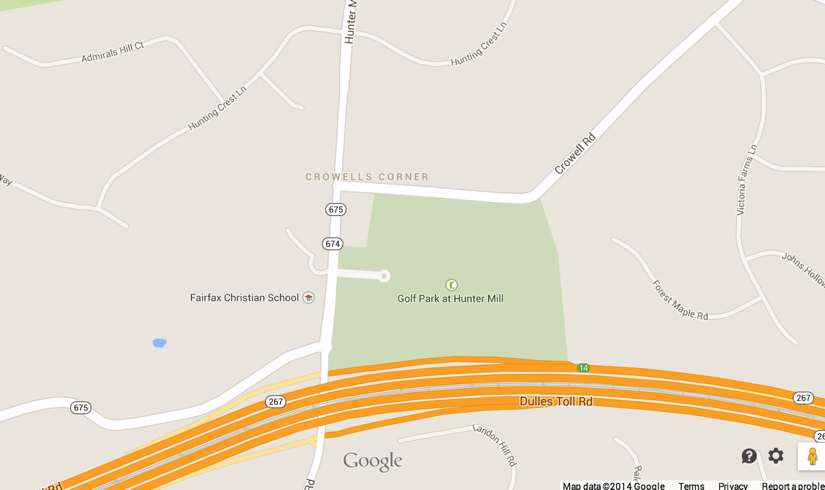
The Fairfax County Board of Supervisors on Tuesday approved the revamped land use application submitted by Oakcrest School, clearing the way for the private girls school to finally proceed with building a new Reston campus.
The 180-student Catholic middle and high school, currently located in McLean, purchased land years ago at Crowell and Hunter Mill Roads on which to build a new school.
While Oakcrest has been approved for the new school on the Reston-Vienna border since 2010, that plan included a traffic roundabout on which to ease traffic flow near the school. However, the school was unable to obtain the land for the roundabout, so last year it submitted a new plan that included a traffic light near the school entrance.
The neighbors and the school officials have been arguing about it ever since.
The Fairfax County Planning Commission recommended the new plan for approval in July. After hearing from dozens of residents and school girls earlier this month, the supervisors votes 8-2 Tuesday in favor of the Special Exception Amendment for Oakcrest.
“This was a difficult and complex issue,” said Hunter Mill Supervisor Cathy Hudgins, who voted in favor. “It was important to allow sufficient time and input to reach a decision that is best for everyone. The community contributed both supporting and opposing feedback in the course of the numerous public gatherings and private citizens meetings, during four facilitated meetings with the applicant and the community, through an outpouring of e-mail, and via multiple conference calls.”
“Moving Oakcrest beyond an impasse is a tribute to process of participation by which our district is rightly known. Given the unusual history surrounding this case, this is the best permissible resolution.”
Some residents are not so pleased.
“This should have been denied a long time ago,” wrote one commenter on Reston Now.
“The school went ‘all in’ before they had the land that they themselves agreed to acquire to make the agreement work. Now they want a light, which is exactly what was opposed to from the very start. The Board does not understand this road. This does not just impact the people that live on the road; although they will be impacted the most. It impacts thousands of commuters each week.”
The Fairfax County Board of Supervisors is scheduled to decide Tuesday on a revision to the traffic pattern near the site of a planned girls school off of Hunter Mill Road on the Reston-Vienna border.
Oakcrest School, a 180-student Catholic girls middle and high school, has been planning for years to move from McLean to Hunter Mill and Crowell Roads, where it will build a new facility.
They have been approved for the move for more than four years, about the same amount of time school officials and planners have been going back and forth with neighbors over traffic.
A condition of the earlier approval hinged on two traffic flow conditions negotiated with the community. The school was to locate the campus driveway on Hunter Mill Road and install a roundabout at the intersection with Crowell Road, which is now controlled by stop signs.
However, Oakcrest was unable to purchase the property it needed to build the roundabout, so it has been unable to proceed with building the campus without it.
In 2013, Oakcrest submitted an alternate proposal that would use a traffic light at the Crowell-Hunter Mill intersection instead, and move the school’s entrance to Crowell Road.
That created a new set of conflicts with Crowell Road-area residents. Some of those residents — along with many students — spoke at a BOS public hearing on the subject last month.
Many residents are concerned about a Crowell Road entrance which has a sharp curve dubbed “Dead Man’s Curve.”
In July, the Fairfax County Planning Commission voted 6-5-1 for approval of the amended plan.
Parents and students told the supervisors in January that they fear their school will close if this issue goes on much longer — or is denied. Oakcrest’s McLean property has been sold, and the school has spent in the six figures during the dragged-out land use process, parents said.
Hunter Mill planning commissioner Frank de la Fe voted in favor of recommending the the amended plan for approval. Dranesville rep Jay Donohue, however, called the plan dangerous no matter what.
“Crowell Road is not going to accommodate, I don’t think, what it’s going to have to accommodate as an access point to this application without greatly, greatly inconveniencing people in the area,” he said at the July planning meeting. “And also, I think it’s a dangerous – I think it’s a dangerous situation. So I’m going to have to oppose the application.”
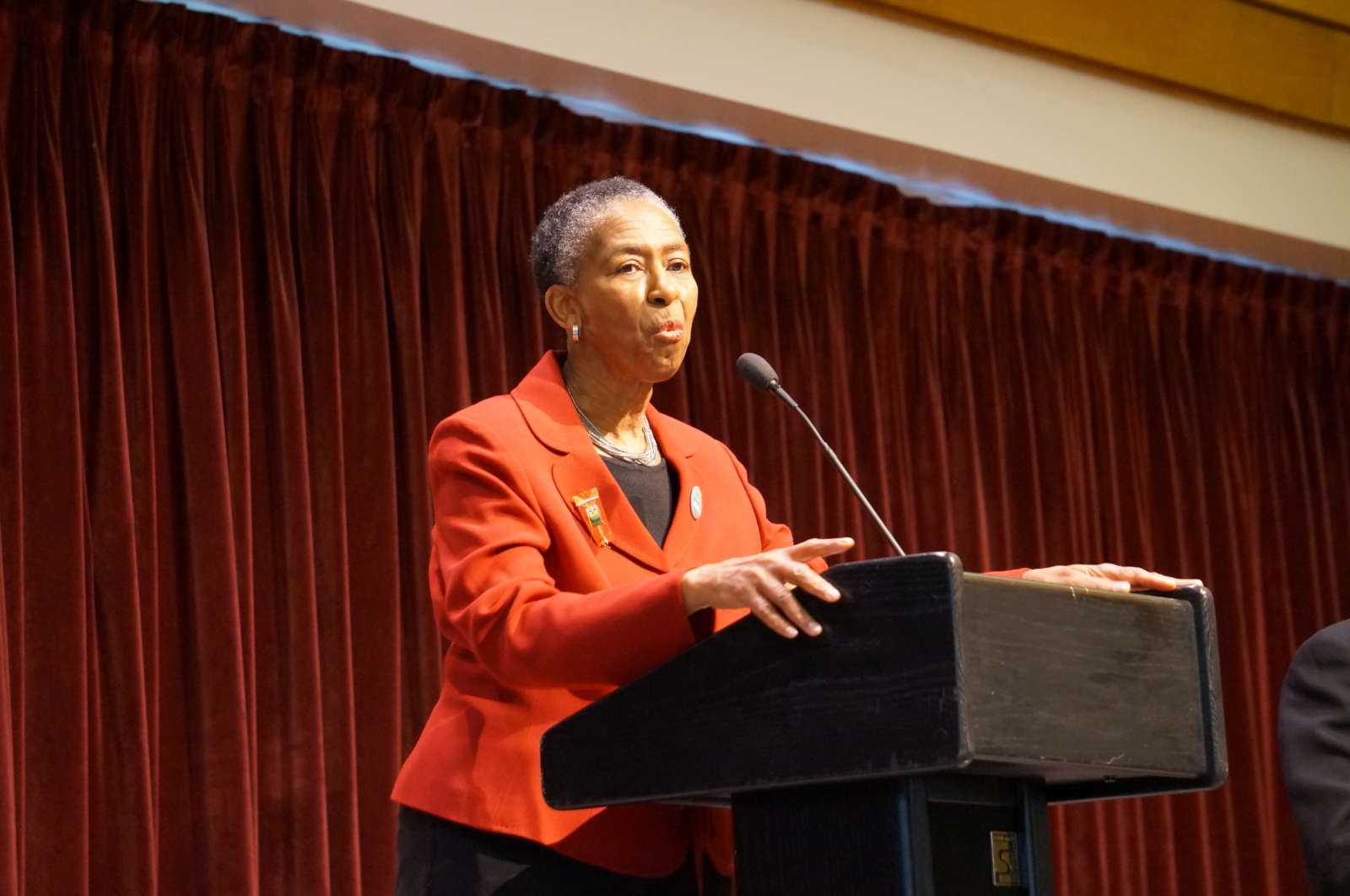 The Fairfax County Board of Supervisors voted 7-2 on Tuesday to adopt changes to the Reston Master Plan that will allow additional development and density for parts of the community as Reston moves toward becoming a transit oriented development with the opening of Metro’s Silver Line.
The vote caps a more than four-year process in which the Reston Master Plan Special Study group made multiple changes to the comprehensive plan in an effort to guide development while leaving Reston’s character in place.
The plan allows for a business/residential ratio of 50/50 within a quarter-mile of the Metro stations. The area from one-quarter to one-half mile would be slightly lower density and 75 percent residential.
The plan allows for the construction of 22,000 new residential units, more than 8 million square feet of new office space, 2 million square feet of new hotel space and 700,000 square feet of additional retail. Reston could see more than 30,000 new residents with the development.
The areas beyond a half-mile from transit would be largely unchanged, though they will be addressed by the task force in the future
Hunter Mill Supervisor Cathy Hudgins said at the supervisors’ hearing Tuesday that the task force has “worked smartly, organizing committees, bringing in talent and land use experts.”
She cited the original 1962 Reston Master Plan, saying “The plan states that in the year 2000, ‘new towns’ would represent optimum growth for the region. ‘New Towns’ will allow for preservation of open space and concentrated development. This, the birth of Reston. Robert E. Simon planned Reston more than 50 years ago with schools in walking distance, woods rather than lawn, and rapid transit into D.C., which we will have soon. The 2014 master plan is rooted in the original master plan. The task force has reaffirmed Robert Simon’s seven principles. This will shepherd the plan into 2050.”
Two supervisors were not as enthusiastic as Hudgins.
Springfield Supervisor Pat Herrity said he was voting no on the plan “not because I don’t believe in new development. I think we are heading down the same path we are with Tysons Corner.” Read More

One of the major criticisms from Reston development-watchers about the changes to the Reston Master Plan is the lack of planning for recreational and athletic space if Reston experiences a projected population boom of 30,000-40,000 in coming years.
As the Fairfax County Board of Supervisors gets ready for its Tuesday meeting, where it is expected to vote on changes to the comprehensive plan, advocacy group Reston 2020 took a look at how Reston of the future stacks up with the most urban of all transit-oriented developments: Manhattan.
“The draft Reston transit station area master plan promises less than two-thirds the playing fields per capita for the totality of the station areas and less than half for the “crown jewel” of Reston—Reston Town Center,” writes co-chair Terry Maynard. “This focused picture is just part of the rather pathetic comparison of Reston’s proposed park space compared with what already exists in Manhattan.”
A little background:
The Reston Master Plan Special Study Task Force spent four years trying to find the right formula for future development. The group’s final draft originally called for 12 additional athletic field to be added in Reston based on projected population growth of about 44,000.
But the final version that passed the county planning commission last month asks for at a minimum, three fields to be built — one near each of the transit stations at Wiehle-Reston East, Reston Parkway and Herndon-Monroe.
“The draft Reston plan calls for a minimum of three athletic fields in each of the three station areas and, in fact, goes further by saying at least one in each station area,” says Maynard. “This despite the fact that the County’s “urban parks framework” calls for a dozen athletic fields given the planned for population of 49,118 two or three decades hence, which is about one-third the athletic field standard for the County’s suburban areas.
“The reality of this “minimum” requirement is that it is highly unlikely that developers will give up any additional acreage (up to 3 acres per field, which could generate some $12 million per year total added developer revenues in today’s market as Class “A” office space) to accommodate the County urban standard of 12 ballfields.”
Maynard found that Reston’s formula means that Reston will have a park accessibility score that is 1/30th that of Manhattan.
Read the full report on Reston 2020’s website.
More:
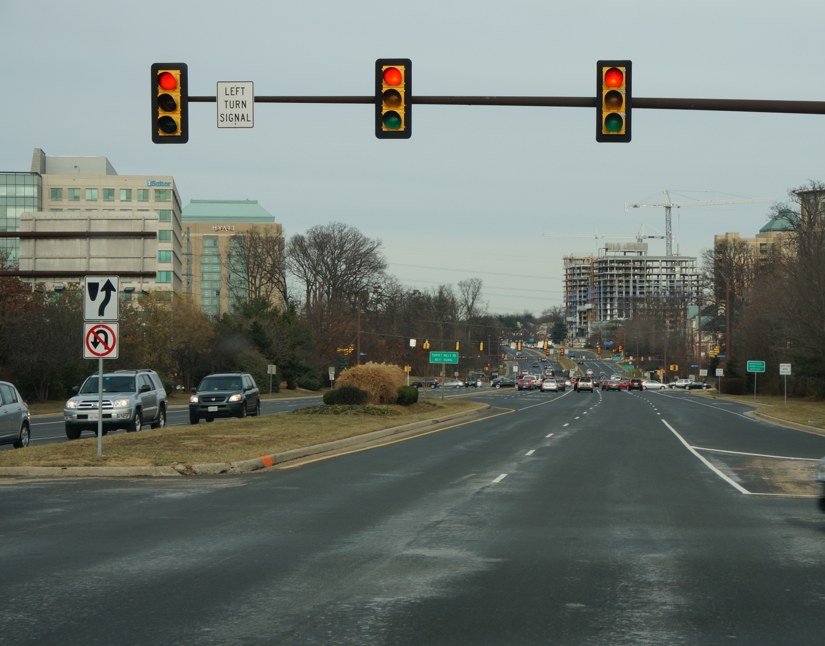
The Fairfax County Board of Supervisors needs more time to go over the impact of changes to the Reston Master Plan.
After Tuesday’s public hearing — in which more than a dozen Reston residents and members of the Reston Master Plan Special Study Task Force spoke — Hunter Mill Supervisor Cathy Hudgins suggested the board revisit the subject at the Feb. 11 board of supervisors meeting.
“There are some unfinished things,” said Hudgins, pointing out the implementation of the plan, which will guide development around Reston’s three upcoming Silver Line transit stations, is crucial.
“The plan is the plan,” she said. “Implementation will be the critical part. How do we move forward? Considering the enormity of this, that is most important. We want to make sure we are not changing the ground rules that [Reston founder] Robert E. Simon founded.”
The Reston Master Plan Special Study Task Force spent more than four years working on the changes. The draft was recommended for approval by the Fairfax County Planning Commission with suggestions for additional review earlier this month.
The draft allows for high density, with a business/residential ratio of 50/50 within a quarter-mile of the Metro stations at Wiehle-Reston East, Reston Parkway and Herndon-Monroe. The area from one-quarter to one-half mile would be slightly lower density and 75 percent residential. The areas beyond a half-mile from transit would be largely unchanged, though they will be addressed by the task force in the future.
Many Restonians, including founder Simon, spoke at the public hearing about flaws in the draft plan. Some of the main themes: traffic impact, open space, recreational areas and the necessity for all new residents to be part of either Reston Association or the Reston Town Center Association.
Several noted that traffic from north to south Reston is bad now — and going to get exponentially worse once Metro opens. The first Reston station, at Wiehle Avenue and Sunset Hills road — will likely be open in the next few months, though Metro has not announced a date.
“We in South Reston like to be able to get to the town center area,” said resident Kathy Kaplan. “What is going to happen when we have 40 to 100 million square feet of development?”
Kaplan told a the supervisors about recently taking her granddaughter to the Reston Hospital Center emergency room.
“She was in acute anaphylactic shock,” she said. “We almost did not get through the intersection at Reston Parkway. What I am saying to you, I want you to amend this plan to make it more workable so when my grandchildren grow up, they have a reason to stay here. If you block us and nothing can move north and south, businesses will leave.”
Groups such as Reston Association, the Reston Citizens Association and the Alliance of Reston Homeowners and Clusters said they generally support the plan changes, but want to see their concerns addressed.
“If development is done right, it can enhance the community,” said RCA President Colin Mills. “But the plan falls short in several areas. “Traffic: the Dulles Toll Road corridor is a big bottleneck. It divides the community in half Our traffic is predicted to get worse – in some cases much worse -if plan goes forward. Athletic fields: the plan calls for only three new fields. Those [new] residents will need places to play. Implementation: we are not concerned with what is in the plan, we are concerned with what isn’t there. It’s in everyone’s best interest we get this right.”
Several speakers criticized Hudgins for the makeup of the task force, which they said was skewed heavily in favor of developers and not residents. They pointed out that the county is under tremendous financial pressure to have the maximum number of residents and businesses here in order to boost its tax base. Additionally, they want to ensure Reston residents will not face an additional tax — similar to the Tysons Corner area — in order to implement the plan.
The Fairfax County Planning Commission on Thursday unanimously agreed to send proposed changes in the Reston Master Plan on to the Fairfax County Board of Supervisors for approval .
The plan — which was formulated after nearby four years of discussion and numerous draft changes by the Reston Master Plan Special Study Task Force — was sent on with a few line item changes and last-minute motions. Read the entire revised document here.
Citizen development watchers Reston 2020 gave the final draft of the document — which will guide density, land use and future development around Reston’s three future Silver Line Metro stations — a letter grade of “D” when the plan was finalized last fall.
Reston 2020 was also not pleased with several changes marked up by Hunter Mill Planning Commission representative Frank de la Fe. Among them:
- Allows additional “bonus” density for contributions to Corridor crossings above the already generous proposed development standards and “bonus” density.
- Adds monetary contributions in addition to in kind contributions for vitally needed infrastructure improvements.
- Eliminates the approval of Reston Association Design Review Board for new construction.
- Says new institutional and government development uses should not be counted toward the development of workforce housing requirements to contribute $3 per square foot for new non-residential development.
- Deletes plans for a parking study as needed to justify expansion of parking beyond parking space maximums laid out in the draft plan, relying instead on the phrase “suitable justification.” The result will be excessive parking and greater traffic congestion, says Reston 2020.
However, at Thursday’s meeting, de le Fe verbally added these conditions, which were also unanimously passed:
- A recommendation to direct planning staff to review with Reston stakeholders how to incorporate Reston design specifics into future planning. “Special attention to design has been a hallmark of Reston from beginning,” said de le Fe.
- A recommendation to the Board of Supervisors to develop an inclusive process to prepare a funding plan for transportation improvements. “The planning commission strongly believes public and private investment in Reston is crucial,” he said.
- A recommendation to conduct a detailed valuation and analysis of an enhanced street network, prioritize improvements and develop an implementation strategy for it.
