
 Reston’s Fairfax Hunt Club may eventually be home to a subdivision when Phase II of the Reston Master Plan Special Study is completed.
Phase II, which kicked off in May, offered an opportunity to submit property-specific land use proposals to be included in the draft “strawman” Comprehensive Plan text for Reston coming up later this year. Submissions were accepted from May 22 through July 11.
One of the proposals came from Robert Hostler, president of Fairfax Hunt Inc. He submitted a proposal to the Reston Master Plan Special Study group to rezone the hunt’s at 1321 Lake Fairfax Dr. from recreational to residential.
“The Owner, Fairfax Hunt Inc., is considering relocating its operations and desires to have the option for this property to be converted to residential as are the surrounding properties,” the online submission states.
The Fairfax Hunt has deep, if not active, roots in Reston. A. Smith Bowman — founder of the former Reston distillery bearing his name — also founded the Fairfax Hunt Club in 1928. He later gave part of his 4,000-acre property to the club, and the clubhouse, built in 1951, remains as a catering facility today. Eventually, much of the surrounding land was sold to build Reston and fox hunting moved farther into horse country.
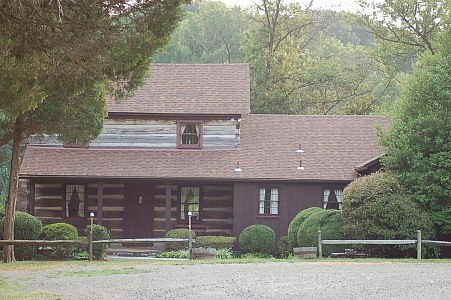
The clubhouse contains part of a 200-year-old log house that was formerly located a few miles away in Vienna. The club’s still owns eight acres near Lake Fairfax Park to the south and housing subdivisions on the other sides.
Phase 1 of the Reston Master Plan Special Study was approved by the Fairfax County Board of Supervisors earlier this year. Those plans set development standards in the areas within one-quarter mile of Reston’s future Metrorail stations. The first Reston such station, Wiehle-Reston East, opens Saturday.
Phase II is expected to be a shorter process that will look at specific land use projects and Reston’s village center areas, which may be redeveloped in the future.
Only three specific land use suggestions were sent to Fairfax County in the open period. One was not specific and was disqualified. The other was to add new apartments and increase density at Colvin Woods, a 1970s apartment complex on Becontree Drive.
Photo courtesy of Fairfax Hunt Club
 The Fairfax County Planning Commission will hold a public hearing Wednesday night on the transformation of Reston Town Center’s surface parking lot to a mixed-use development.
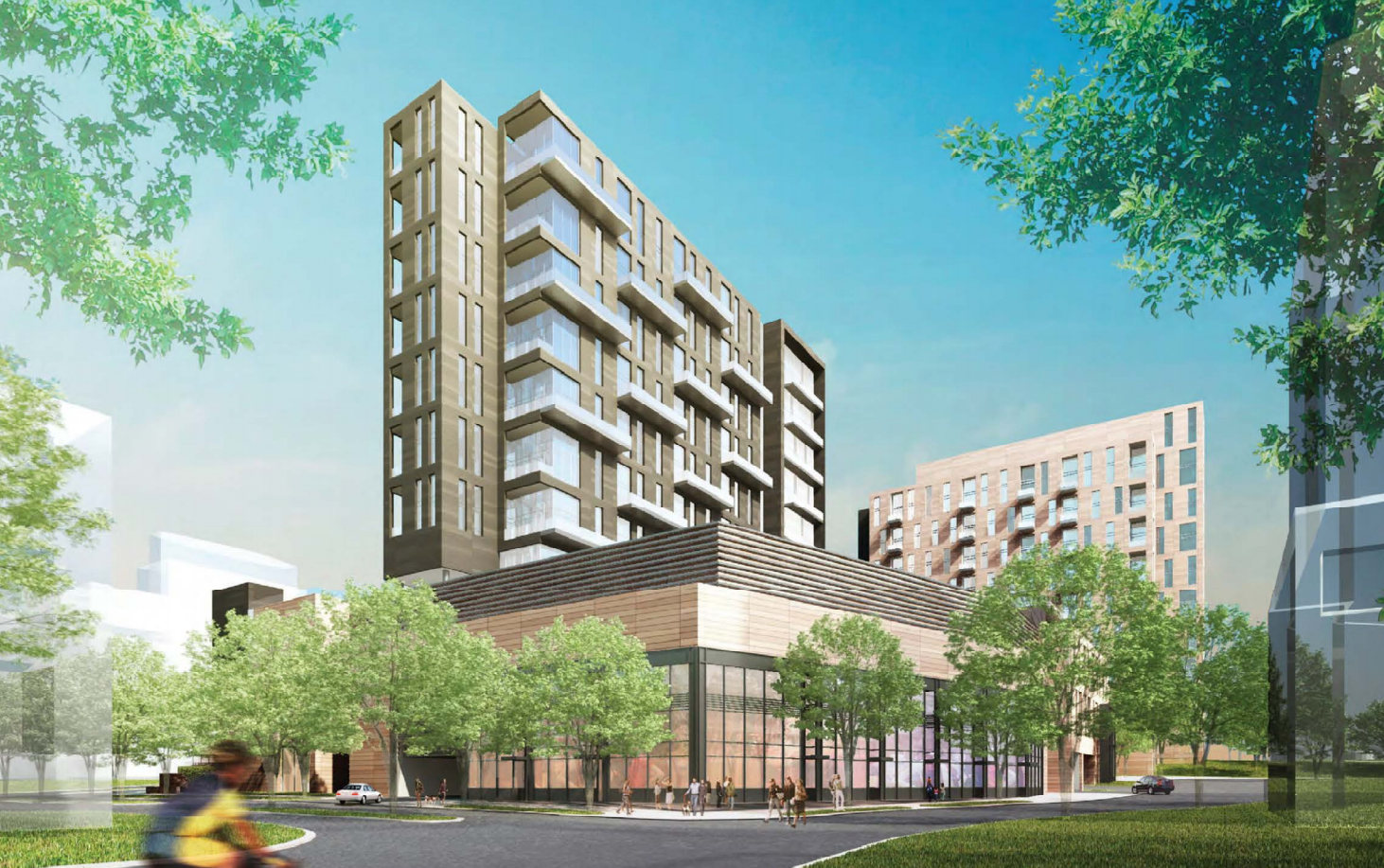
Developer Boston Properties’ plans for the surface lot at Reston Town Center include two high-rise residential buildings as well as a park with a yoga area, public art and picnic areas. The 6.35-acre site, called Block 4, is currently a 251-space surface parking lot, the only remaining surface lot at Reston Town Center. The lot is currently zoned for up for 250,000 square feet of office space.
According to the county planning staff report, which recommends approval of the project, the 250,000 square feet of office density represents the last remaining non-residential density available under the proffered maximum 3.465 million square feet of non-residential development approved within Reston’s urban core.
The meeting is at the Fairfax County Government Center, 8:15 p.m. To sign up to speak, visit the Planning Commission website.
Boston Properties is seeking to move the office development to Block 5, where the current FedEx/Kinkos and Ann Taylor are now located, with additional office space above.
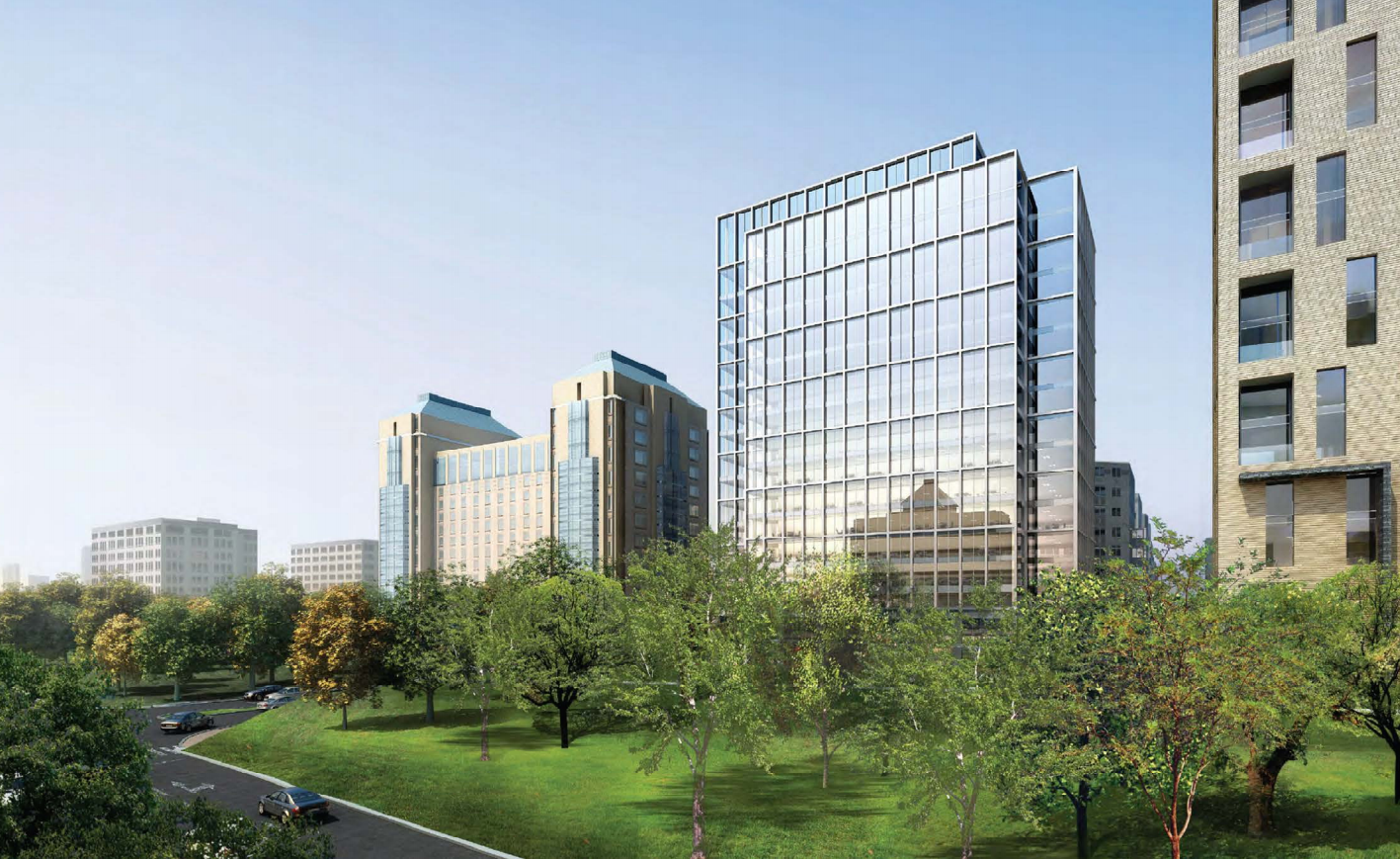
The plan calls for turning the three-story retail/office building, part of One Fountain Square, into a 17-story building with 276,788 square feet of office space and 7,800 square feet of ground-floor retail. The building would also have four levels of underground parking.
Block 4 and 5 development will flow into other approved high-density development nearby.
The Spectrum, a low-rise strip mall located just across New Dominion Parkway, has been approved for redevelopment into 774,879 square feet of non-residential use and 1,422 multifamily residential units in seven new residential buildings. The new area will feature a hotel, and Harris Teeter is the only retailer expected to remain under the current plan.
Additionally, part of the Spectrum will wrap around the planned 23-story office tower at Bowman Towne Drive and Reston Parkway. That building, which will contain retail and 18 stories of offices, was approved by the supervisors in 2012.
On Thursday, the Reston Association Board of Directors will hold a special meeting to discuss who can get an exemption from RELAC, the lake water-fueled air conditioning system that about 300 homes near Lake Anne are required to use.
Homes that have a RELAC system are bound by deed to use it unless owners can show a reason for a medical exemption. The RA board has been discussing changes to the RELAC policy since last year. It was slated to be revisited by February.
Developer Boston Properties’ plans for the surface lot at Reston Town Center include two high-rise residential buildings as well as a park with a yoga area, public art and picnic areas.
The plans will be presented to the Fairfax County Planning Commission in a public hearing on June 11, marking another step forward in the transformation of Reston’s urban core.
The 6.35-acre site, called Block 4, is currently a 251-space surface parking lot, the only remaining surface lot at Reston Town Center. The lot is currently zoned for up for 250,000 square feet of office space.
According to the county planning staff report, the 250,000 square feet of office density represents the last remaining non-residential density available under the proffered maximum 3.465 million square feet of non-residential development approved within Reston’s urban core.
Boston Properties is seeking to move the office development to Block 5, where the current FedEx/Kinkos and Ann Taylor are now located, with additional office space above.
The plan calls for turning the three-story retail/office building, part of One Freedom Square, into a 17-story building with 276,788 square feet of office space and 7,800 square feet of ground-floor retail. The building would also have four levels of underground parking.
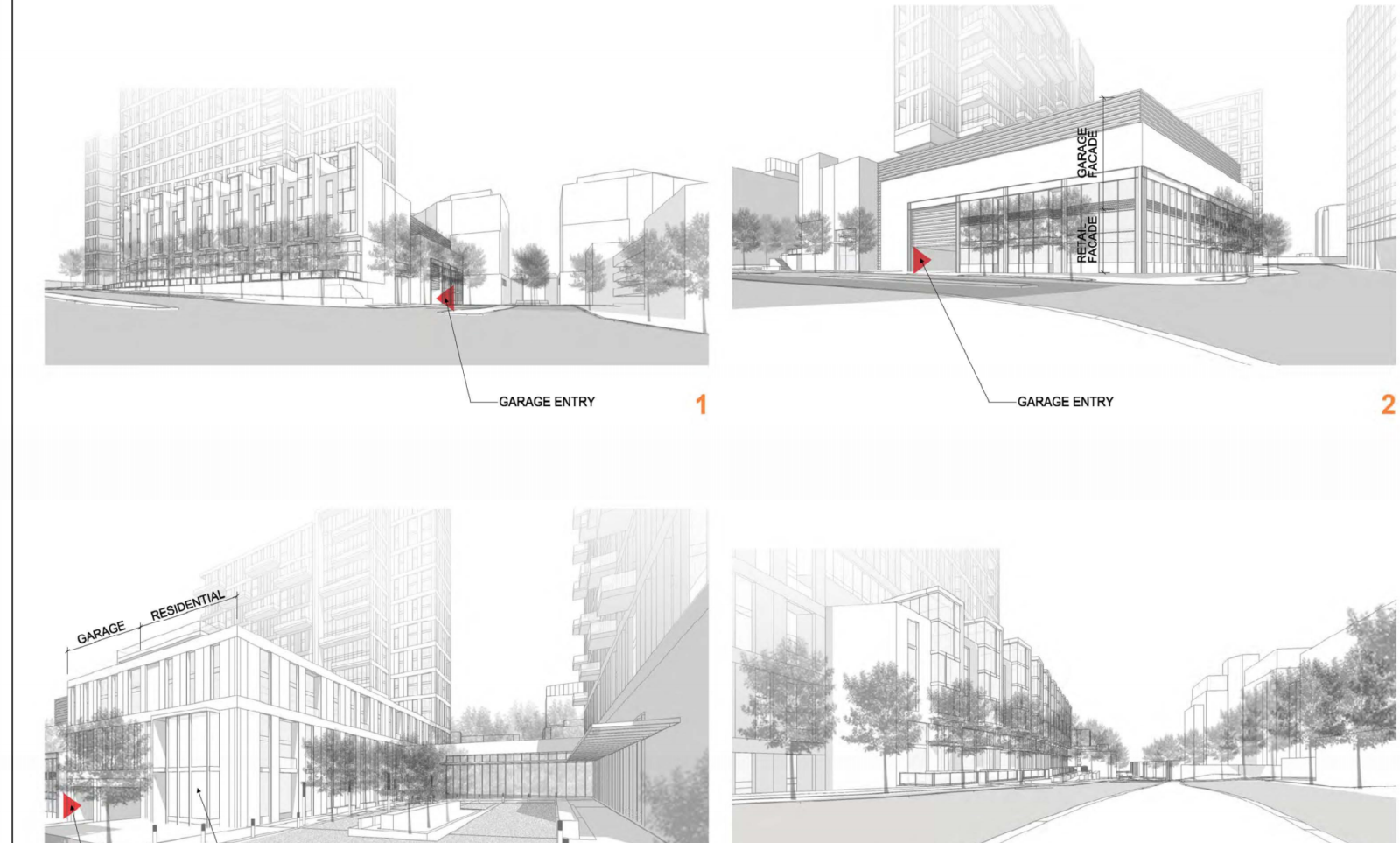
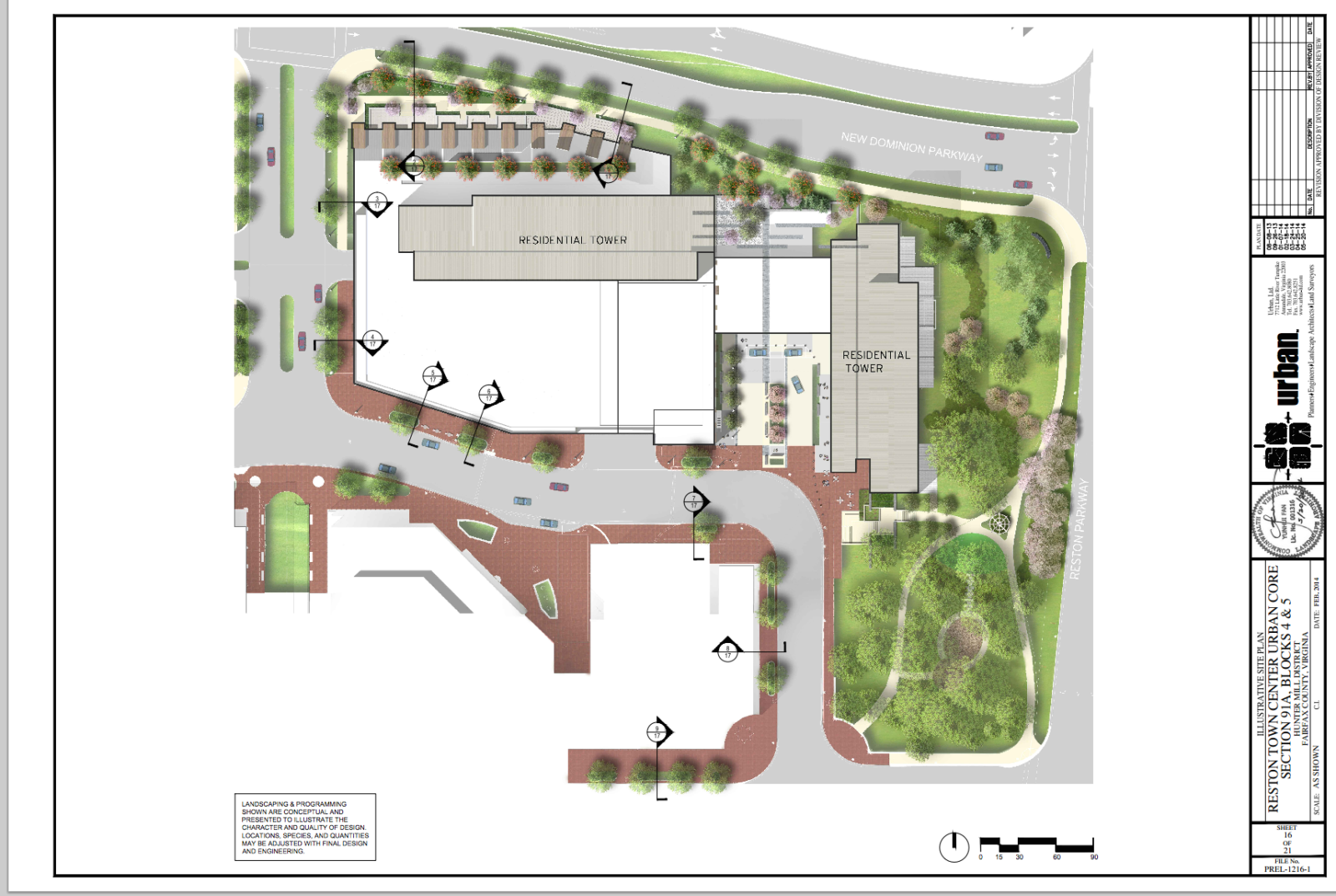
The residences will feature one tower standing 19 stories tall and the other 21 stories tall. There will also be a nine-level parking structure (with three levels below ground).
There will be up to 25,100 square feet of ground level retail space and an additional 20,000 square feet of retail that would be partially located underground.
At the base of the 21-story tower will be two-level townhouse units, stacked three high. Each ground-level unit will have a terrace along New Dominion Parkway. Five levels of residences will also wrap around the parking structure. The complex will have its own pool.
Along President’s Street, the developers plan open space with outdoor dining areas and a pedestrian connection from the buildings to a proposed park along Reston Parkway. The park will feature a yoga deck, lawn and public art space.
As one of the proffered conditions for construction, the developers will have to meet Fairfax County requirements for tree preservation. They will also have to build road improvements such as left turn lanes from Reston Parkway, New Dominion Parkway and Fountain Drive. Sixteen percent of the housing units will be set aside as workforce housing.
Block 4 and 5 development will flow into other approved high-density development nearby.
The Spectrum, a low-rise strip mall located just across New Dominion Parkway, has been approved for redevelopment into 774,879 square feet of non-residential use and 1,422 multifamily residential units in seven new residential buildings. The new area will feature a hotel, and Harris Teeter is the only retailer expected to remain under the current plan.
Additionally, part of the Spectrum will wrap around the planned 23-story office tower at Bowman Towne Drive and Reston Parkway. That building, which will contain retail and 18 stories of offices, was approved by the supervisors in 2012.
 Planners of Tysons Corner’s transformation from car-clogged roads to a walkable edge city also want to see 154 acres of additional parkland so the expected nearly 100,000 future residents will have places to play.
With an eye on building Tysons into a city, Fairfax County would like to add one-and-a-half acres of parkland per 1,000 residents and one acre for every 10,000 employees (of which there are expected to be more than 200,000 by 2050). Tysons currently has 89 acres of parkland.
In a recently released report on the Tysons Park System Concept Plan, the county said it would need 29 playgrounds, 22 sports courts, 2 dog parks and 1 skate park to meet the needs of the expected population over the next 40 years.
What does this have to do with Reston? Reston, like Tysons, is predicted to experience a boom in growth due to the opening of Metro’s Silver Line, which may go into service in the next few months. It remains to be seen if the large list of recreation recommendations ever come to be in Tysons.
The Reston Comprehensive Plan Amendment that was approved by the Fairfax County Board of Supervisors earlier this year called for the construction of only three playing fields near Reston’s Metro stations, where most of the development will occur and new residents will move.
Those areas have almost no existing park space. The Wiehle-Reston East Station is located in what used to be zoned a strictly industrial/commercial area. With no previous residents, there are no existing residential amenities such as parks and playing fields in the immediate area.
The Reston Master Plan Special Study Task Force had recommended that 12 additional playing fields be constructed in Reston to accommodate 40,000 new residents.
Earlier this year, Reston 2020 co-chair Terry Maynard called the plan for recreation in Reston “unacceptable.”
“The suburban standard is five acres of parkland for every 1,000 residents; the urban one is 1.5 acres of parkland for every 1,000 residents topped with a one-acre dollop of space for every 10,000 employees,” he wrote in an analysis of the field allotments. “In Reston, the county suburban standard would lead to about 270 acres of parkland in the station areas.The urban standard leads to 95 acres in Reston’s station areas.
“The result is that less than six percent of the total Reston station area space will be devoted to parks. By comparison, New York City’s Manhattan Borough, the most densely populated, most densely employed, and most valuable piece of urban real estate in the United States, has more than 19 percent of its land devoted to parks and recreation.”
In Reston, there are no current plan for additional parks, though Baron Cameron Park is in the midst of a Master Plan revision.
Fairfax County Park Authority Board Chair Bill Bouie, a Reston resident, says Reston already has the recreational structure in place, therefore there is not as great a need for major park and playing field expansion.
Reston was planned with open space as a priority, and significant amenities are already here,says Bouie. That includes 55 miles of trails, 16 Reston Association pools, pocket parks, playing fields and three major parks (Lake Fairfax Park, Baron Cameron Park and Brown’s Chapel Park).
Bouie said that fields at Reston schools, including the new turf fields at South Lakes High School, are also considered amenities already in place.
“There is so much here already,” says Bouie. “We don’t have nearly the assets in Tysons.”
In the future, up for grabs in Reston may be the area called Town Center North, which encompasses the site of the recently-closed Cameron Glen Rehabilitation Center. There has been talk of using the 47-acre site, currently owned by the county and by Inova Health Systems, as mixed-use development, the site of the new Reston Regional Library and open space.
Town Center North has also been mentioned as a possible location for a proposed Reston Community Center facility that would include a 50-meter indoor pool.
That $35 million facility has been studied and discussed for more than a year for Baron Cameron Park, which is Fairfax County Park Authority property.
One Baron Cameron Master Plan proposal calls for revitalizing the 10 playing fields there with artificial turf and lights to get more use. The other involves the indoor recreation center — which would mean the park loses several fields to make room for the indoor facility.
The 30-day public comment period for the Baron Cameron Park Master Plan ended Sunday. Bouie said the board will likely vote on it in June.
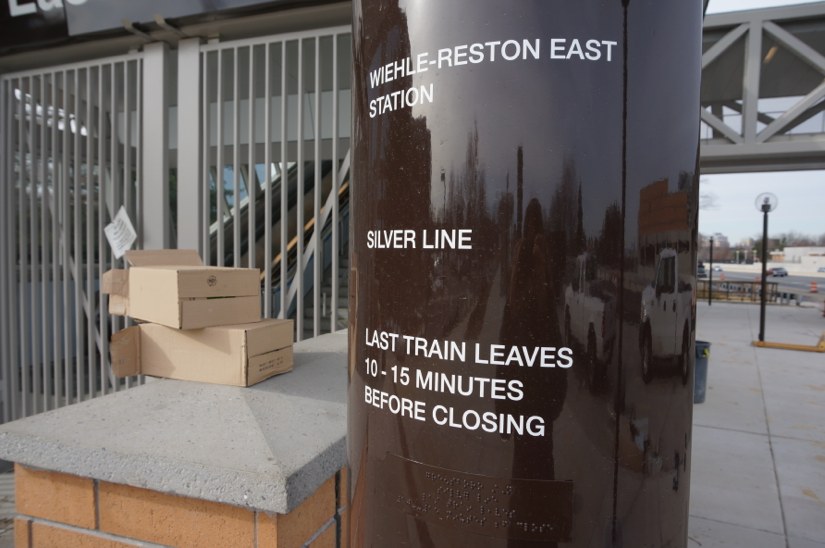 The contractor responsible for building the Silver Line Metro extension could face large fines if the work is not completed by April.
Dulles Transit Partners told the Metropolitan Washington Airports Authority on Feb. 7 that it had reached “substantial completion” on Phase 1 of the Silver Line, which will run from East Falls Church to Reston’s Wiehle Avenue.
However, MWAA completed a 15-day review last week and found issues in 7 of 12 areas, ranging from leaks to problems with the automatic train control system. DTP is correcting the issues. It is not known how long that will take, but it is likely to delay the project’s turnover to Metro, which will in turn delay the rail’s opening date for the third time in the last few months.
The Washington Post reports that DTP’s contract states the contractor must finish the work within seven months of the agreed upon completion date of Sept. 9, 2013 — or face fines in the millions.
If the work is not finished within that time, starting roughly April 10, DTP would face a $25,000-a-day penalty until the work is done, the Post reports. If the project is not completed 92 days after that April date, the contractor would have to pay roughly $2.3 million in fines, plus an additional $75,000 a day.
Ultimately, if the project is delayed more than six months from that April date, DTP could be required to pay more than $9 million total. Under the terms of the contract, the payments are capped at $60 million.
Also in the contract, a financial incentive: Had DTP completed the project earlier than scheduled, it could have earned up to $10 million in rewards.
When MWAA certifies that the issues are repaired, the project will be turned over to Metro, which has 90 days to complete its own testing.
The latest delay is one of several, though Metro and MWAA officials have never given a firm opening date for the Silver Line. It is now expected that the Silver Line will not open until summer 2014.
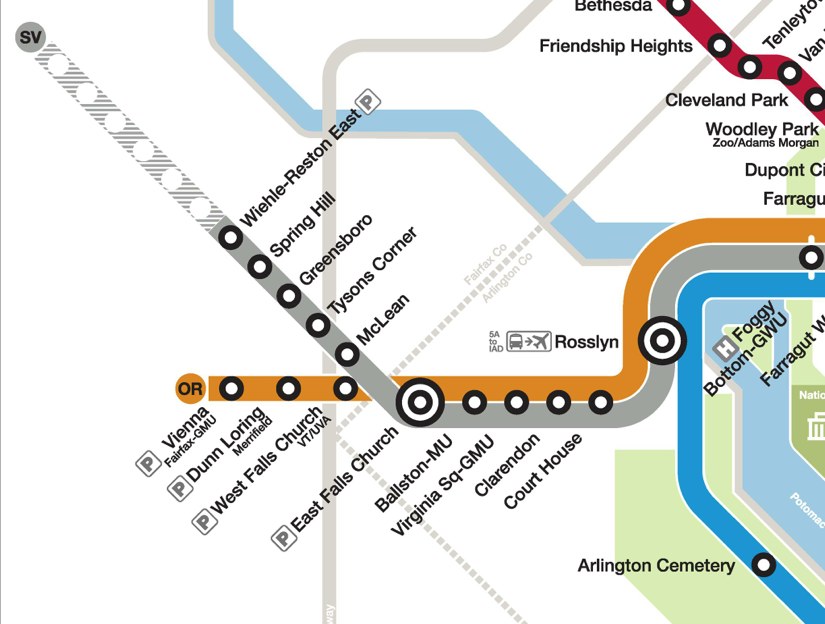
The Metropolitan Washington Airports Authority announced on Monday that the Silver Line Metro extension is not ready to take the next step towards an opening date.
MWAA had a 15-day period in which to review the work of its construction contractor, Virginia Transit Partners. MWAA found issues in 7 of 12 categories. Those issues must be fixed before MWAA can hand over the project to Metro, which will then have 90 days to conduct its own testing. It is not known how long it will take VTP to remedy the issues.
This is the third setback in recent months. Metro has never set an opening date, but the original handoff was estimated to happen in August for a December opening. Construction delays and testing issues pushed the handoff to November, and now to at least March.
Based on all that — and with chances that more issues can be found — when do you think the Silver Line, and its terminus at Wiehle-Reston East, will open?
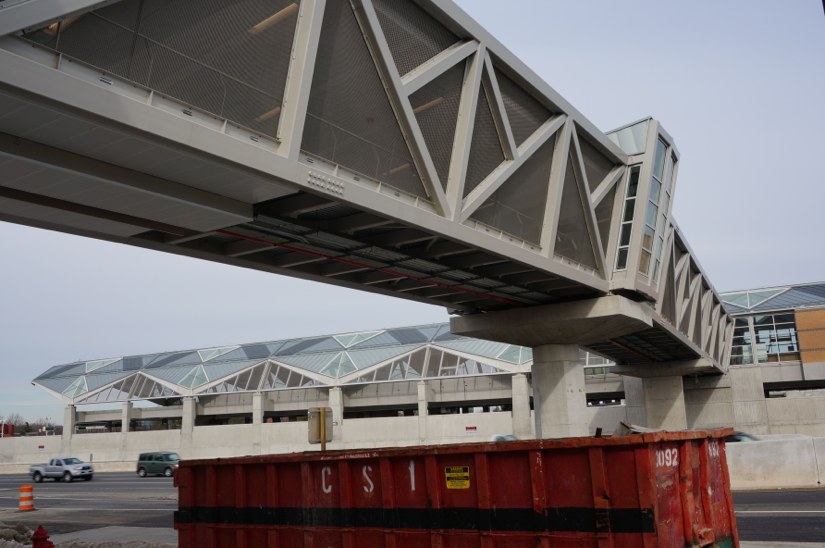
Phase 2 of Metro’s Silver Line took a significant step toward the future when it received the go-ahead to apply for nearly $2 billion in federal loans late last week.
The Northern Virginia congressional delegation said the the U.S. Department of Transportation TIFIA Credit Council has given preliminary approval to move forward on a $1.9 billion federal loan, which represents about one-third of the total cost of the Dulles Metrorail Project.
The Transportation Infrastructure Finance and Innovation Act (TIFIA) program at USDOT provides federal credit assistance to finance major surface transportation projects of national and regional significance.
MWAA officials say the low-interest federal loan, which will be combined with $300 million in funding from the Commonwealth of Virginia, mean that tolls on the Dulles Tolls road are likely to remain stable through at least 2018.
There has been much concern in recent years that Dulles Toll Road users would have to bear the burden of the cost of Phase 2 of the rail line, which was slated to be built with no federal funds.
The $2.3 billion Phase 1 — which will run from East Falls Church to Reston’s Wiehle Avenue — received $900 million in federal money.Phase 1 has reached “substantial completion,” and an announcement on the timeline leading to the opening of the Silver Line could come as early as today.
Phase 2 did not receive the federal funds, and political posturing at the state and local level put the project in jeopardy for a bit. In 2012, the all-Republican Loudoun County Board of Supervisors threatened to remove their support, but eventually reaffrmed it in a 5-4 vote. In 2011, U.S. Transportation Secretary Ray LaHood was called in to help stakeholders at all levels come to a compromise.
Phase 2 of the rail will run from Wiehle Avenue to other Reston stops at Reston Parkway and Herndon Monroe, as well as stops at Dulles International Airport and into Ashburn. It is not expected to be completed until at least 2018. Read More
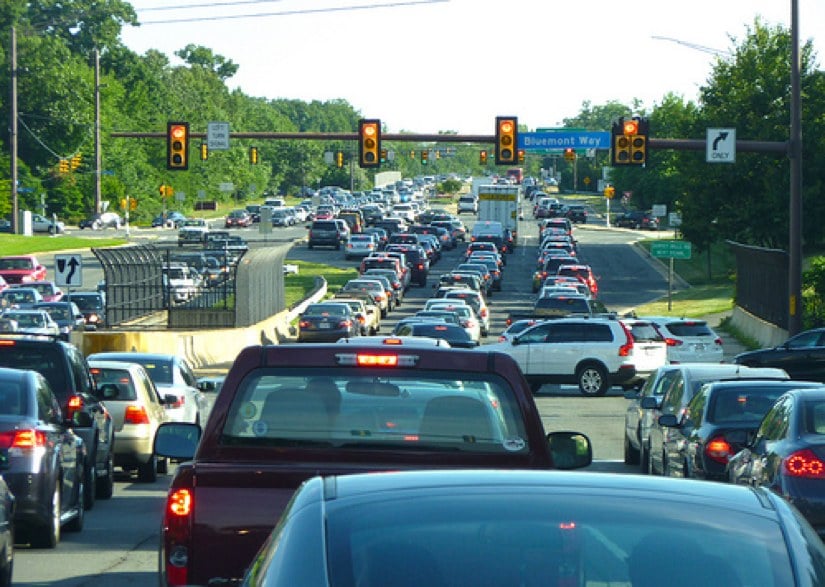
Fairfax County transportation staff has selected a location for a future four-lane extension of Soapstone Drive that will cross the Dulles Toll Road.
Transportation officials have been looking at several alternatives for the crossing for more than a year. The crossing would be one of several recommended for Reston to alleviate traffic from north to south.
The opening of Metro’s first Reston Silver Line station later this year is expected to bring additional development, cars on the road, residents and workers to Reston. The recently approved changes to the Reston Master Plan allow for the construction of 22,000 new residential units, more than 8 million square feet of new office space, 2 million square feet of new hotel space and 700,000 square feet of additional retail. Reston could see more than 30,000 new residents, as well as tens of thousands of workers, with the development.
Without major road improvements — including several more toll road crossings — traffic could be a disaster, development-watchers say.
Transportation staff showed four options in a report in February of 2013. The most prudent one, presented last week, combines two of them: a direct extension of Soapstone that crosses slightly northwest and ends at a new intersection at Sunset Hills.
Planners said the crossing will help alleviate traffic on Wiehle Avenue, improve access to the Wiehle-Reston East Metro station, complement existing and future development, and align with Reston’s planned urban street grid in that area.
The plan would impact several properties on both side of the toll road, including Solus and Musica on the north side and the National Association of Secondary School Principals on the south.
Additionally, there would be a four-way intersection with traffic signal at Sunrise Valley, as well as another four-way intersection with no signal, or perhaps a traffic roundabout, on the Sunset Hills side, planners said.
The proposal will now move on to the Fairfax County Board of Supervisors for approval.
While planners did not estimate the cost of the project, they did predict last year that $100-150 million would be needed for a future Soapstone crossing.
Identifying funding for the project will also come next. The project currently has $2.5 million for the next phase of preliminary engineering and environmental impact studies. If it moves forward, the project will be added to the county’s unfunded $4 billion transportation project queue.
A Soapstone crossing (at a cost of $91.75 million) has already been identified on the county’s list of high-priority projects for 2015-20.
Photo by Reston 2020 via Flickr.

When the Fairfax County Board of Supervisors approved changes to the Reston Master Plan on Tuesday, it paved the way for big changes coming to Reston over the next decades.
The plan allows for the construction of 22,000 new residential units, more than 8 million square feet of new office space, 2 million square feet of new hotel space and 700,000 square feet of additional retail. Reston could see more than 30,000 new residents with the development.
Most of the added density will be within one-quarter mile of the planned Metro stations at Wiehle-Reston East, Reston Parkway and Herndon-Monroe. The area from one-quarter to one-half mile would be slightly lower density and 75 percent residential.
Will Reston turn into an important business hub? A city-sized canyon of tall buildings? A center of traffic jams? Or pretty much just be like it has always been? We asked some of Reston’s business and civic leaders.
Mark Ingrao, CEO of Greater Reston Chamber of Commerce:
From a business perspective, we are thrilled with the plan. No plan is perfect, but this certainly provides a framework so we can grow. I say if you are not growing, you are dying. This is a plan for what the next 50 years will look like. The key is flexibility — things are are going to morph a little. If we are flexible, this should be a good plan going forward.
Ingrao said the Chamber is organizing with other community leaders on a “Destination Reston” campaign to attract not just people who want to work, live and play in Reston, but also to promote Reston as a destination for visitors.
Pat Herrity, Springfield Supervisor who voted against the plan changes:
I voted against the plan because, yet again, I believe the plan ignores our priorities when it comes to where developer contributions are spent. Not too dissimilar to the Tysons plan, this plan results in over $700 million in transportation needs that come with the increased density. It is my fear that just as we did in Tysons, these requirements will be funded by a new tax on the residents and businesses in Reston. This is something that could have been avoided if we had focused more of our developer contributions on transportation. Read More
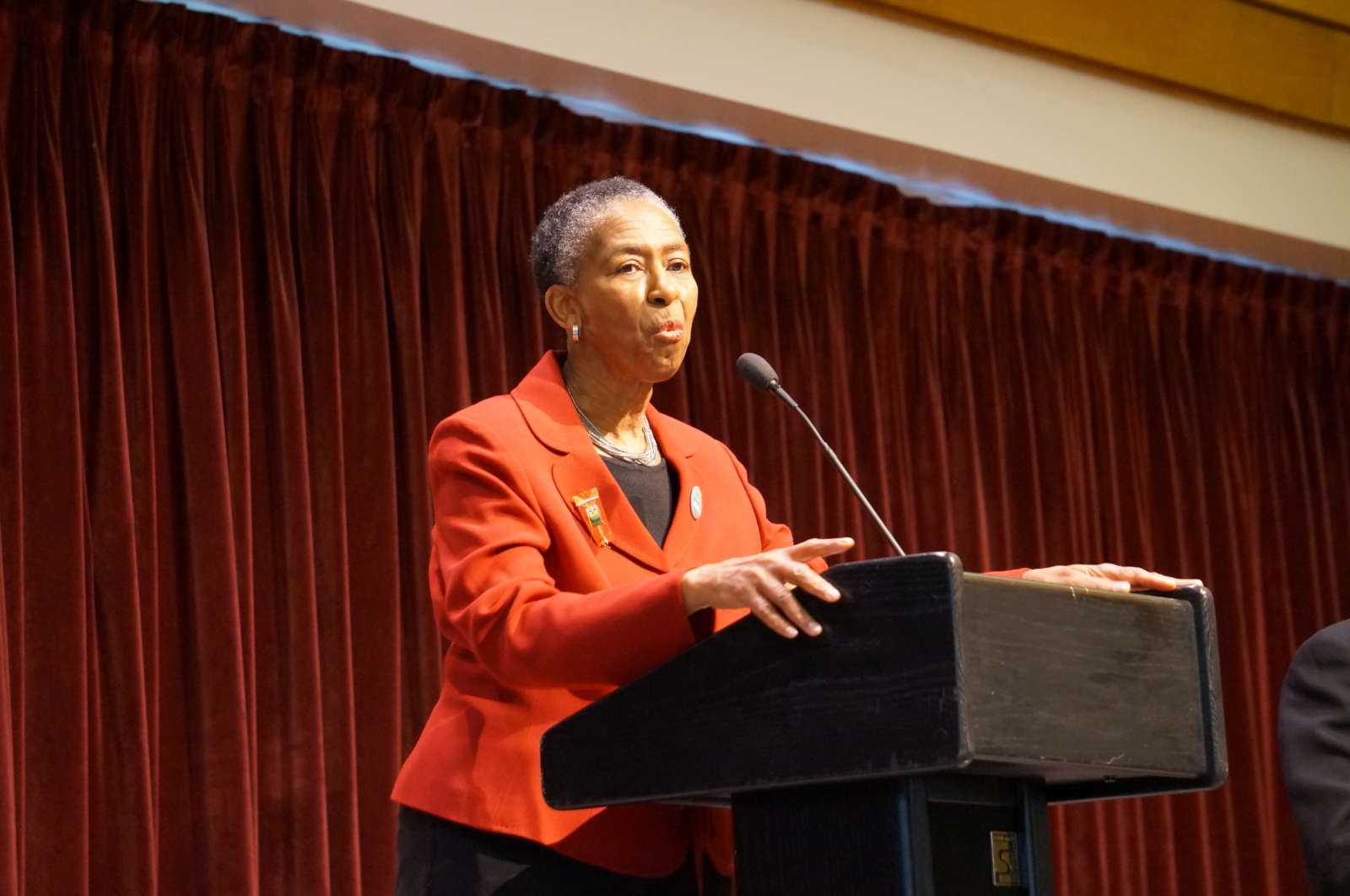 The Fairfax County Board of Supervisors voted 7-2 on Tuesday to adopt changes to the Reston Master Plan that will allow additional development and density for parts of the community as Reston moves toward becoming a transit oriented development with the opening of Metro’s Silver Line.
The vote caps a more than four-year process in which the Reston Master Plan Special Study group made multiple changes to the comprehensive plan in an effort to guide development while leaving Reston’s character in place.
The plan allows for a business/residential ratio of 50/50 within a quarter-mile of the Metro stations. The area from one-quarter to one-half mile would be slightly lower density and 75 percent residential.
The plan allows for the construction of 22,000 new residential units, more than 8 million square feet of new office space, 2 million square feet of new hotel space and 700,000 square feet of additional retail. Reston could see more than 30,000 new residents with the development.
The areas beyond a half-mile from transit would be largely unchanged, though they will be addressed by the task force in the future
Hunter Mill Supervisor Cathy Hudgins said at the supervisors’ hearing Tuesday that the task force has “worked smartly, organizing committees, bringing in talent and land use experts.”
She cited the original 1962 Reston Master Plan, saying “The plan states that in the year 2000, ‘new towns’ would represent optimum growth for the region. ‘New Towns’ will allow for preservation of open space and concentrated development. This, the birth of Reston. Robert E. Simon planned Reston more than 50 years ago with schools in walking distance, woods rather than lawn, and rapid transit into D.C., which we will have soon. The 2014 master plan is rooted in the original master plan. The task force has reaffirmed Robert Simon’s seven principles. This will shepherd the plan into 2050.”
Two supervisors were not as enthusiastic as Hudgins.
Springfield Supervisor Pat Herrity said he was voting no on the plan “not because I don’t believe in new development. I think we are heading down the same path we are with Tysons Corner.” Read More

The Fairfax County Board of Supervisors is slated to make a decision on changes changes to the Reston Master Plan Tuesday afternoon.
What does this mean to Reston? The changes will allow for higher densities as development goes forward surrounding future Metro Silver Line stations at Wiehle- Reston East, Reston Parkway and Herndon-Monroe.
The plan draft allows for a business/residential ratio of 50/50 within a quarter-mile of the Metro stations. The area from one-quarter to one-half mile would be slightly lower density and 75 percent residential. The areas beyond a half-mile from transit would be largely unchanged, though they will be addressed by the task force in the future.
The Reston Master Plan Special Study Task Force — comprised of citizens, developers and spent more than four years working on the changes. The draft was recommended for approval by the Fairfax County Planning Commission with suggestions for additional review earlier this month.
But there are many critics of the plan, who are concerned about traffic, overcrowding of schools, overdevelopment, lack of recreational and open space and a stress on infrastructure.
Groups such as Reston Association, the Reston Citizens Association and the Alliance of Reston Homeowners and Clusters said they generally support the plan changes, but want to see their concerns addressed.
“If development is done right, it can enhance the community,” Colin Mills, president of the Reston Citizens Association, told the supervisors at a public hearing on the subject two weeks ago. “But the plan falls short in several areas. “Traffic: the Dulles Toll Road corridor is a big bottleneck. It divides the community in half Our traffic is predicted to get worse – in some cases much worse -if plan goes forward. Athletic fields: the plan calls for only three new fields. Those [new] residents will need places to play. Implementation: we are not concerned with what is in the plan, we are concerned with what isn’t there. It’s in everyone’s best interest we get this right.”
Several others noted that traffic from north to south Reston is bad now — and going to get exponentially worse once Metro opens. The first Reston station, at Wiehle Avenue and Sunset Hills road — will likely be open in the next few months, though Metro has not announced a date.
“We in South Reston like to be able to get to the town center area,” said resident Kathy Kaplan. “What is going to happen when we have 40 to 100 million square feet of development?”
More:
Future Watch: More Fields Per Person in Manhattan Than Reston?
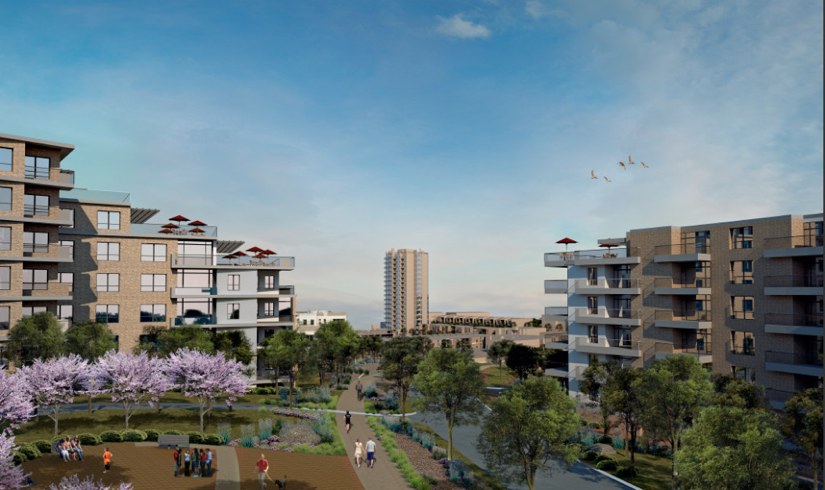
Lake Anne Redevelopment Partners (LARP) will update the Reston community on Monday about the plan to revitalize Crescent Apartments and the Lake Anne area.
LARP (a division of Republic Land Development) was chosen by Fairfax County summer after a Request for Proposals process that took more than a year. Since then, LARP has offered up renderings of the vision, and a few key events have happened as the project moves forward.
Principals will give an update on the progress at an open house at 7 p.m. Feb. 3 at Reston Community Center Lake Anne.
The county issued the RFP to make over the 16-acre site housing the county-owned Crescent Apartments, an aging affordable housing complex close to Lake Anne Plaza. Republic had many meetings with residents, Lake Anne business owners and Reston founder Bob Simon, among others, to determine what the community wanted to see for the area.
The retail and residential of Lake Anne Plaza itself will not see big changes, as historic designation prevents that.
However, an interim agreement is in place for LARP to proceed with the process of county planning, Reston Association Design Review Board and other land use approvals necessary to rework the surrounding areas. The approval of the project design and land use permits is expected to take more than a year, said Republic president and CEO David Peter.
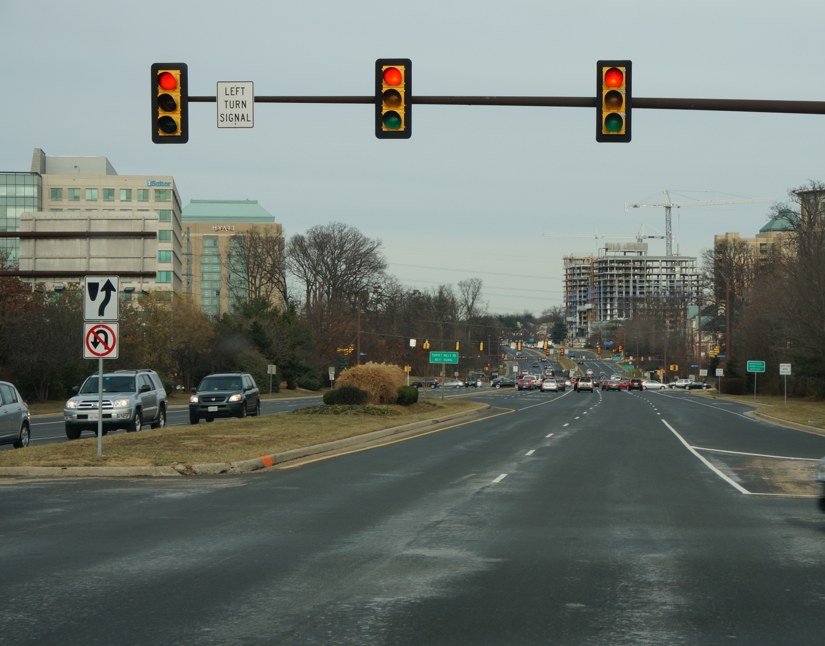
The Fairfax County Board of Supervisors needs more time to go over the impact of changes to the Reston Master Plan.
After Tuesday’s public hearing — in which more than a dozen Reston residents and members of the Reston Master Plan Special Study Task Force spoke — Hunter Mill Supervisor Cathy Hudgins suggested the board revisit the subject at the Feb. 11 board of supervisors meeting.
“There are some unfinished things,” said Hudgins, pointing out the implementation of the plan, which will guide development around Reston’s three upcoming Silver Line transit stations, is crucial.
“The plan is the plan,” she said. “Implementation will be the critical part. How do we move forward? Considering the enormity of this, that is most important. We want to make sure we are not changing the ground rules that [Reston founder] Robert E. Simon founded.”
The Reston Master Plan Special Study Task Force spent more than four years working on the changes. The draft was recommended for approval by the Fairfax County Planning Commission with suggestions for additional review earlier this month.
The draft allows for high density, with a business/residential ratio of 50/50 within a quarter-mile of the Metro stations at Wiehle-Reston East, Reston Parkway and Herndon-Monroe. The area from one-quarter to one-half mile would be slightly lower density and 75 percent residential. The areas beyond a half-mile from transit would be largely unchanged, though they will be addressed by the task force in the future.
Many Restonians, including founder Simon, spoke at the public hearing about flaws in the draft plan. Some of the main themes: traffic impact, open space, recreational areas and the necessity for all new residents to be part of either Reston Association or the Reston Town Center Association.
Several noted that traffic from north to south Reston is bad now — and going to get exponentially worse once Metro opens. The first Reston station, at Wiehle Avenue and Sunset Hills road — will likely be open in the next few months, though Metro has not announced a date.
“We in South Reston like to be able to get to the town center area,” said resident Kathy Kaplan. “What is going to happen when we have 40 to 100 million square feet of development?”
Kaplan told a the supervisors about recently taking her granddaughter to the Reston Hospital Center emergency room.
“She was in acute anaphylactic shock,” she said. “We almost did not get through the intersection at Reston Parkway. What I am saying to you, I want you to amend this plan to make it more workable so when my grandchildren grow up, they have a reason to stay here. If you block us and nothing can move north and south, businesses will leave.”
Groups such as Reston Association, the Reston Citizens Association and the Alliance of Reston Homeowners and Clusters said they generally support the plan changes, but want to see their concerns addressed.
“If development is done right, it can enhance the community,” said RCA President Colin Mills. “But the plan falls short in several areas. “Traffic: the Dulles Toll Road corridor is a big bottleneck. It divides the community in half Our traffic is predicted to get worse – in some cases much worse -if plan goes forward. Athletic fields: the plan calls for only three new fields. Those [new] residents will need places to play. Implementation: we are not concerned with what is in the plan, we are concerned with what isn’t there. It’s in everyone’s best interest we get this right.”
Several speakers criticized Hudgins for the makeup of the task force, which they said was skewed heavily in favor of developers and not residents. They pointed out that the county is under tremendous financial pressure to have the maximum number of residents and businesses here in order to boost its tax base. Additionally, they want to ensure Reston residents will not face an additional tax — similar to the Tysons Corner area — in order to implement the plan.
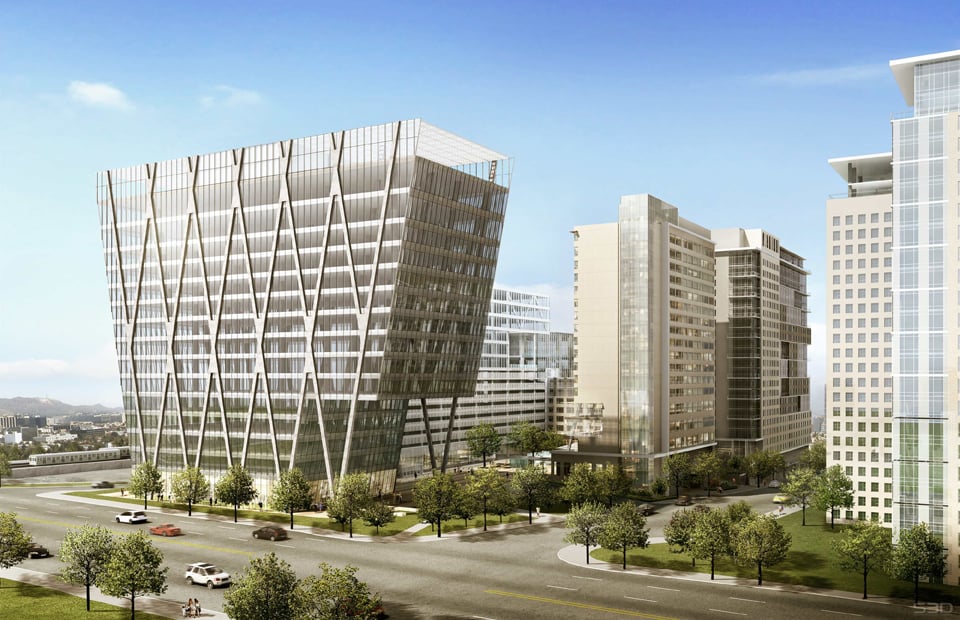
The Fairfax County Board of Supervisors approved on Tuesday on an agreement between Comstock Partners and Fairfax County that determines what the developer will pay the county annual for the right to occupy Reston Station. Comstock and the county have tentatively agreed on a $2.9 million annual base rent, according to the Washington Business Journal.
Comstock and the county teamed up years ago to construct the seven-level underground garage at the Metro’s Wiehle-Reston East station. The garage is essentially completed, and Metro is in the testing phase for the Silver Line. No opening date for the Metro has been officially set, but it is expected to open sometime in the next several months.
In its agreement with Fairfax County, Comstock agreed to construct the Wiehle Avenue Metro station parking garage in return for the right to build mixed-use Reston Station above it.
Comstock covered 23 percent of the $90 million garage cost, according to the Washington Business Journal. It also agreed at the time to pay Fairfax $250,000 a year in rent until the Silver Line has operated for one year. At that point, the rent would reset to an “annual amount equal to a set percentage of fair market value.”
The rent figure wasn’t supposed to be determined until later this year. But Comstock wants to get going on the 450-unit, 22-story luxury residential tower — called the BLVD Apartments — soon. The giant crane necessary for construction has already been delivered to the site. Part of the agreement says that Comstock will begin construction by June 1.
Reston Station is also planned to include two office buildings, a hotel, and retail. No leases have been signed yet, says Comstock spokeswoman Maggie Parker, who adds that the office buildings and hotel won’t be constructed until major tenants who can help cover costs are in place.
“The project is phased,” she says. “All five buildings can’t be built at the same time.”
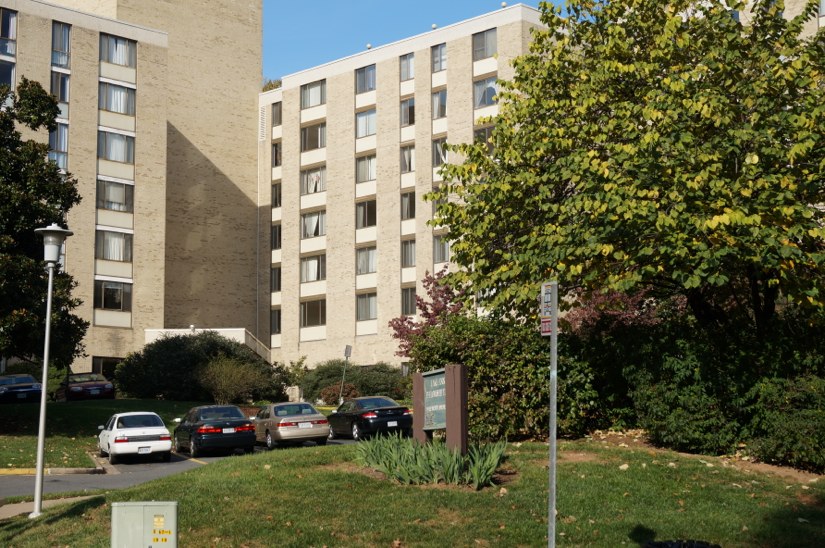
Lake Anne Fellowship House residents have been informed of Fellowship Square’s plans to build new housing on the site of the aging senior housing buildings.
“If all goes well as part of the county’s revitalization effort, we plan to build a new Lake Anne Fellowship building and have it up in around four to five years,” Fellowship Square Foundation president Charles Wortman wrote to residents on Dec. 4.
The nonprofit Fellowship Square, which operates senior housing at Lake Anne, Hunters Woods and several other Fairfax County locations, has been working with Cafritz Interests and discussing future plans with Reston planning and zoning and the Reston Association Design Review Board since last fall.
At Lake Anne, there are 240 units for the elderly and low-income located just across the street from Lake Anne Plaza, where significant redevelopment is also planned.
The Fellowship House redevelopment is planned in coordination with the overall Lake Anne revitalization, which will reconfigure and repurpose the area around the historic area as well as at the county-owned Crescent Apartments. Republic Development’s redevelopment plan for Crescent and the rest of Lake Anne includes plans for about 1,000 new housing units (181 of them affordable to replace Crescent), parking and a revitalized retail district.
Currently, 114 of the 240 units are subsidized and the rest are at market rate, says Fellowship Square board member John Thillman. Fellowship House’s buildings were constructed in 1970 and ’74, and suffer from a variety of aging infrastructure issues. Among them: faulty heating and cooling systems, narrow hallways difficult for wheelchair users to navigate and difficulty getting up to Americans With Disability Act Standards. The two buildings have a 20-percent vacancy rate and are losing about $10,000 a month, Thillman said.
Thillman said he plans on filing a rezoning application with the county by early February. The plans will have to go through rezoning because Fellowship Square wants to increase the number of units on the parcel to 425. One hundred forty of the units would be affordable senior housing, which would actually provide more units than currently offered at Fellowship House. The rest would be offered at market rate, said Thillman.
Fellowship Square plans to build the new senior housing on the flat part of its land at North Shore Road and Village Road. After that building is constructed and seniors moved, then all-ages, market-rate luxury mid-rises will be built on the hill where the current Fellowship House buildings stand.
“A building on this lower part of our site would provide for easy access by our residents to the proposed redeveloped Lake Anne Plaza and shops, as well as to a new grocery store proposed on the opposite side of Village Drive,” says the letter to residents. “This is a tremendous opportunity for us to keep affordable elderly apartments at Lake Anne and to finally have new and accessible apartments for our residents.”
“The remainder of the site will be developed into market rate residential units which will generate the financial ability for FSF to build the new affordable elderly building,” the letter continues. “And, in addition to our own residents’ community spaces designed into our building, our elderly residents will also have access to the recreation facilities and parking within the market rate part of the development. The market rate buildings will finally give us the financial stability to continue our mission of providing affordable elderly/disabled housing both here at Lake Anne and elsewhere in the Fairfax County/Metropolitan area.”
Thillman says he has only heard from three residents expressing concern about the plans.
However, several things have to happen for the project to move forward, says Thillman. There are two different mortgage holders for the six-acre property: The Department of Housing and Urban Development for the west side and the Virginia Housing Development Authority for the eastern half. Both will have to agree to consolidate and retitle, which could be a long — and possibly fruitless — process, says Thillman.
Redevelopment plans will also have to go through Fairfax County Planning, the Fairfax County Board of Supervisors and Reston Association’s Design Review Board.